Too Much Salt In Your Diet?

Photo Credit: Dubravko Sorić CC-BY-2.0

Sodium, or salt, is an essential nutrient. Your body needs a small amount of salt to maintain fluid balance and help transmit electrical signals through the nerves. Salt is also necessary for proper muscle function. Some table salt also contains trace amounts of iodine which is necessary for a healthy thyroid gland. Salt is added to processed food as a preservative. The growth of yeast, mold and bacteria are inhibited by the addition of sodium chloride (salt) to processed food during preparation. Many people add salt to their food during or after cooking to enhance flavor. People who eat some processed foods, such as canned soups or frozen meals, may be getting too much salt if they add more before eating. The USDA 2010 Dietary Guidelines for Americans recommends about 1/4 teaspoon of salt daily for healthy adults and children, or less than 2,300 milligrams per day.
People with hypertension, high blood pressure, kidney problems and those who want to cut down on their salt intake can take some steps to eat a healthy diet without additional salt. Eat more fresh foods, like whole grains, fish, lean meats, fruits and vegetables. Avoid canned and frozen processed foods or choose processed foods labeled “low” or “reduced” sodium. Foods labeled “no salt added” are also good choices to help reduce salt in your diet. Condiments, including mustard, ketchup and salad dressings, are usually high in sodium. Use condiments sparingly or use low-sodium alternatives. 
Avoid adding salt to your food before you eat it. Use herbs and spices instead of salt to enhance the flavor of foods. You can omit salt from most recipes when cooking. You can also reduce salt in your diet when eating at a restaurant by ordering from the heart-healthy menu or choosing low-sodium options. Request sodium-free or low-sodium salad dressings and sauces for your food. 

For more information about sodium in your diet, see:
Mayo Clinic, Sodium: How to Tame Your Salt Habit Now

Foods That Promote Joint Health

Photo Credit: KoS Public Domain
Joints can become weak and prone to injury due to aging, inactivity, disease or poor nutrition. Joint health can be improved and maintained by eating a healthy diet that includes nutrients that promote joint health. Free radicals in the body can attack joints, tendons and cartilage where they can cause pain and inflammation. Free radicals are toxins produced by the natural metabolic activity (oxidation) of the cells. Foods that contain antioxidants are critical to help rid the body of free radicals by combining with the toxins and helping to remove them from cells. Vitamin C is a good antioxidant. Foods that are rich in vitamins A, E and the nutrient selenium also help to remove free radicals from the body and promote overall health. Fruits and vegetables are loaded with vitamin C. Oranges, pineapple, grapefruit, broccoli, asparagusm papaya, mangoes, raspberries and red bell peppers are rich in many vitamins and minerals, especially vitamins C and A. Vitamin E is also a good antioxidant nutrient. Whole grains and cereals are rich in vitamin E.
Foods that are rich in healthy fats, such as salmon, contain omega-3 fatty acids that help to promote joint health. Omega-3 fatty acids promote joint health because of their anti-inflammatory properties. People with arthritis can eat more foods containing these healthy fats or take an omega-3 fatty acid dietary supplement if their doctor recommends it. Tuna, sardines and other ocean fish are healthy sources of omega-3 fatty acids. Shellfish and shrimp also contain a substance called glucosamine, which improves joint health. Nuts like almonds, fresh green vegetables, fruits, grains and seeds, like pumpkin and sunflower seeds, also contain omega-3 fatty acids. 
Increase the amount of water you drink to help your body rid itself of toxins and free radicals. Everyone should drink at least 8 glasses of water every day to maintain kidney and bladder health and to stay properly hydrated. In addition to increasing your water consumption and eating healthy foods, try to exercise at least 15 to 30 minutes every other day. Thirty minutes every day is better if you can manage.

Prevent Food Cravings From Destroying Your Diet

Photo Credit: Evan-Amos CC-Zero
Many people get food cravings from time to time. Men and women both get food cravings. When you are trying to lose weight, succumbing to a food craving can undo a week’s worth of weight loss efforts. Foods that are most often craved by women in the United States are sweet, calorie-laden, fat-rich foods, such as chocolates, ice cream, cookies and cheesecake. Food craving is a complex interaction of the brain, the stomach and hormones. Food cravings may also be all in your head.
According to research by Eva Kemps and Marika Tiggemann of Flinders University, Australia, people who have food cravings also have vivid image of the food in their minds. The clearer and more vivid the image of the food, the stronger the craving. When mental resources are focused on the image and memory of a food, it’s hard to focus on other mental tasks, hence a craving for the food. It is possible that the opposite may also be true. We can use our brain power to reduce cravings. In an article by Science Daily, The Psychology of Food Cravings, it is reported that people who had food cravings could reduce the craving by thinking about other things. In one experiment volunteers who were craving a food were shown flickering images of black and white dots on a computer screen. Cravings were also reduced when people thought about other things, such as a place they like to visit, a particular smell they remember (not food related) or to picture a rainbow. When people concentrated their mental energy on something other than a food craving, the craving lessened. 
Another way to help reduce food cravings, which can lead to over-indulging in diet-busting foods and treats, is to prevent yourself from becoming too hungry. Never skip meals and always eat a healthy breakfast that includes protein and complex carbohydrates found in whole grains, low-fat milk and nutrient-rich fruits and juices. Carry healthy snacks with you so that you can munch on them before lunch and before dinner, if you get hungry. Fresh fruits, vegetables and whole grains like granola bars are healthy alternatives to the candy bar sugar fix. 
For tips about how to curb food cravings, see:
WebMD, The Facts About Food Cravings, Elaine Magee, MPH, RD, 2005

Making Sense of USDA Dietary Guidelines

Photo Credit: Garitzko Public Domain
The dietary guidelines for Americans, as recommended by the USDA includes some important recommendations to eat more of some foods and to reduce consumption of salt, fat and sugars. The guidelines are not strict rules for eating, but recommendations about how to improve your health by making wise food choices. Because so many Americans do not eat a variety of foods, nutritional deficits in fiber, calcium, vitamin D and potassium are too low and a public health concern. Many Americans are over-weight, especially children. A balanced diet of fruits, vegetables, lean meats and fish, fiber from whole grains, beans and rice can help combat obesity and disease. The goal of dietary guidelines is to help Americans make wise food choices for improved health. 
The USDA recommends that Americans eat more plants. Fruits, vegetables and whole grains contain essential nutrients for a healthy body. Vegetables and fruits may help reduce the risk of chronic disease like diabetes, cardiovascular disease and even some cancers. Vegetables and fruits contain important trace elements, such as magnesium, potassium, fiber, folates and vitamins. It is recommended that an adult eat at least 2 1/2 cups of vegetables and fruits every day. One way to increase the amount of fruits and vegetables in your diet is to trade chips and cookies for fresh fruits and vegetables. Snack on apples, pears and strawberries instead of popcorn or chips. Vegetable and fruit juices are another way to increase your daily intake. Make sure to read the label and buy only juices that are 100% fruit and vegetable juices without added sugar or salt. 
The USDA recommends that Americans cut back on refined grains like white bread, sugar, salt and solid fats. Processed foods are convenient, but they may not meet all your nutritional needs. The calorie-to-nutrient ratio in most processed foods is not balanced, meaning that the foods are high in calories with low nutritional value. Excess salt can contribute to high blood pressure, especially for a person who has a potassium deficiency. Processed foods, canned foods and ready-to-eat heat and serve meals often contain excess salt and added sugars. The USDA recommends limiting sodium to no more than 2,300 milligrams per day. Older people and those at risk for high blood pressure and diabetes should limit salt to about 1,500 milligrams per day. 

According to the USDA, solid fats and sugars account for as much as 35% of the average person’s daily caloric intake. One of the easiest ways to reduce the amount of solid fats and sugar in your diet is to avoid refined grain foods and to use vegetables oil and olive oil in place of fats like butter. Cutting back on fats, trans fats and sugars can also help reduce cholesterol levels. 
For more information and explanation of dietary guidelines, see:
United States Department of Agriculture, 2010 Dietary Guidelines

Important Nutrients For Good Health

Photo Credit: Kander Public Domain

Many Americans do not get enough vitamins and minerals in their diet. According to a study in the Journal of Nutrition, 25% do not get enough Vitamin C, 70% do not get enough Vitamin D, 60% do not get enough Vitamin E. Trace elements, such as potassium and magnesium, are also lacking in the American diet. These nutrients are essential for good health. Supplements can help, but the best source of vitamins and minerals is food. Fruits, vegetables, nuts, lean meats, fish and grains contain nutrients that your body needs everyday. Eat a balanced diet by including nutrient-rich foods. A nutrition consultant can help you create a diet plan so that you get all the nutrients you need from the foods you eat. A healthy diet of foods rich in vitamins and minerals have important health benefits including lower blood pressure, combat osteoporosis, healthy heart and improved mood.
Potassium is an important nutrient to help maintain a lower blood pressure, healthy muscles and nerves. Potassium is found in foods like potatoes, bananas, dry beans, avocados and dairy products like milk, cheese and yogurt. Magnesium also helps maintain a healthy blood pressure, promote bone health and healthy heart muscle. Magnesium deficiency can cause muscle cramps. Beans, peas, nuts and grains are rich in magnesium. Fiber helps to promote a healthy digestive system and may lower your risk of heart disease and diabetes. Fiber is also an important part of any weight-loss diet. Foods that are high in fiber include beans, whole grains, nuts, fruits, carrots, artichokes and corn.
Vitamin A is an important nutrient for a healthy immune system and eye health. The two types of vitamin A are beta-carotene and retinol. Foods loaded with this important nutrient include carrots, squash, sweet potatoes, broccoli and spinach. You can get enough vitamin A by adding yellow and dark green vegetables to your diet. Vitamin D is essential for strong, healthy bones and muscles. Your body can make small amounts of vitamin D by exposure to sunlight, but you need to eat foods rich in this nutrient to make sure you get enough vitamin D for a healthy body. Almost everyone knows milk and cheeses contain vitamin D, but the nutrient is also found in salmon, mackerel, liver, eggs and in mushrooms.  Vitamin C is important not only for a healthy immune system, but also for healthy cells. Vitamin C is an antioxidant that helps to remove free radicals from the body. This vitamin is found in citrus fruits, juices and vegetables. 

Gluten Free Substitutes

Photo Credit: Agricultural Research Service Publid Domain

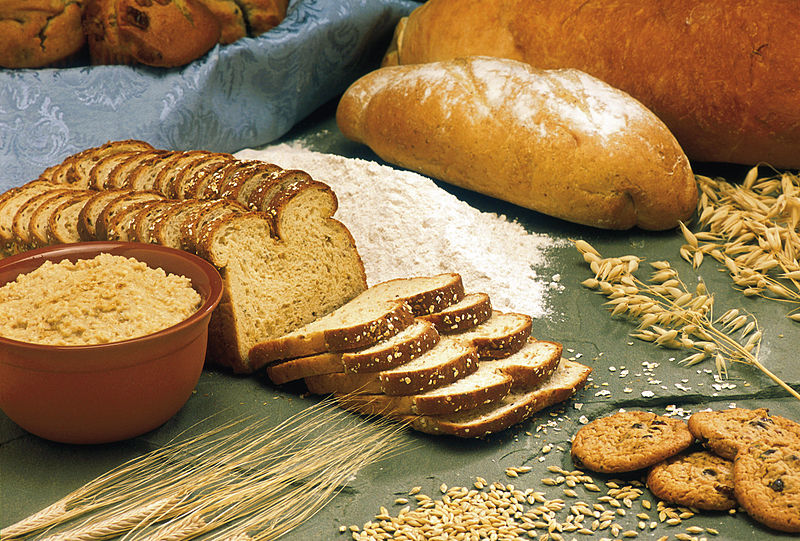
Gluten is a type of protein found in wheat, barley and rye grains. Some people are allergic to gluten or suffer from celiac disease. Celiac disease causes inflammation and injury to the intestines when the sufferer eats any foods containing gluten. A person on a gluten-free diet must avoid wheat, barley and rye, even in small amounts. It isn’t easy to avoid gluten. Grains are a common ingredient in many types of foods. Learn to read the labels and avoid illness caused by gluten in processed foods. 
A gluten-free diet means no more wheat, barley and rye bread, muffins, hamburger buns, bagels, croissants, pie crusts and pizza breads. Rice and potato flour alternatives are available at most health food stores and some major supermarkets. It is important to read the label to make sure that rice and potato flour foods do not contain gluten. Rice cakes, corn chips and popcorn are a healthy and safe alternative to wheat crackers and snacks. Rice or potatoes can substitute for breads at meals. In place of wheat pasta, select rice noodles instead. Gluten-free spaghetti and other pasta noodles can be found at health food stores.

You will probably have to give up your favorite box of breakfast cereal if you develop a gluten allergy, or if you are diagnosed with celiac disease. Most breakfast cereals are made with wheat, barley, rye or the malt and starch from these grains. Hot wheat cereal is definitely off the menu. Rice and corn-based cereal should be safe, but make sure to read the label to ensure that your cereal is 100% gluten-free. Cookies, cakes and pie crust made with wheat flour are definitely out. Select only 100% gluten-free alternatives, which are often available at supermarkets and health food stores.  

For more information about a gluten-free diet and celiac disease, see:

Natural Sources of Antioxidants

Photo Credit: Dimitar Nikolov CC-BY-2.0 2012

Waste products produced by cells include unstable molecules called “free radicals,” which can cause cell damage. Free radicals are produced when the body breaks down food and from exposure to environmental contaminants, such as tobacco smoke and pesticides. Antioxidants help remove free radicals from the cells. Fruits and vegetables are rich in antioxidant nutrients. Antioxidants are also found in nuts, beans and whole grains. Vitamins C and E are also antioxidants. Other nutrients that help remove free radicals from the body include  anthocyanins, beta-carotene, catechins, coenzyme Q10, flavonoids, lipoic acid, lutein, lycopene and  selenium. People who eat a balanced diet that includes antioxidant rich foods should get enough of the nutrients to help prevent cell damage from free radicals. Eat a diet rich in vitamins A, C and E to be sure you get enough antioxidant nutrients. 
The best sources of natural antioxidants are berries. Blackberries, raspberries, cranberries, strawberries and blueberries are high in antioxidants and other vitamins and minerals. Red beans, black beans and pinto beans are abundant in fiber, plant proteins and antioxidants. Avocados, cherries and plums are also a good source of free radical fighting nutrients. The skin of apples and pears contains many nutrients and antioxidants. Wash apples and pears thoroughly to remove pesticide residue and eat the fruit with the skin for maximum nutritional benefit. 

Vegetables are also a good source of antioxidant nutrients and vitamins. Broccoli, artichokes, spinach and red potatoes are rich in nutrients to help fight cell damage, as are sweet potatoes and red cabbage. Be careful not to over-cook vegetables. Cooking may break down natural antioxidant nutrients and lessen their effectiveness at removing free radicals from your body. Steamed, grilled and sauteed vegetables are not only delicious, but nutritious. Raw vegetables in salads is an excellent way to get your vegetable nutrition.  

Spices and herbs, such as ground cloves, cinnamon and ginger, dried oregano leaf and turmeric powder are all good sources of natural antioxidants. Green tea, coffee, red wine and pomegranate juice have high levels of antioxidants. 
For more information about antioxidant supplements, see:

National Center for Complementary and Alternative Medicine, Antioxidant Supplements for Health: An Introduction

Are Empty Calorie Foods Undermining Nutrition?

Photo Credit: LittleGun  CC-BY-SA-3.0 2011
When you consume food, you expect it to provide energy and nutrition. The energy content of food is measured in calories. Some foods are high in energy, but low in nutrition. Low nutritional value but high calorie foods are said to contain empty calories. Foods and snacks that are high in fat and sugar provide energy, but do not provide the vitamins and minerals your body needs to stay healthy. Most of the processed foods and drinks in the American diet contain empty calories. Solid fats and added sugars increase the caloric content of foods without adding any nutritional value. People who consume too many empty calories and who do not exercise regularly may be overweight and still suffer vitamin or mineral deficiencies in their diet. Even if a person is exercising and burning as many or more calories than they consume, they may appear lean and healthy but still be at risk for vitamin and mineral deficiency-related illness. Always eat a balanced diet that includes fresh fruits, vegetables, nuts, grains, plant protein and lean meats and fish. 
Foods that have low nutritional value but high calories include butter, animal fats and shortening. Processed foods that contain these solid fats have a higher calorie to nutrient ratio than fresh foods. Foods with added sugars are also higher in calories than they are in nutrients. Foods that contain the most empty calories include cakes, donuts, cookies, pies and other pastries. Sweet snacks and deserts usually have both added sugars and solid fats. Sodas, fruit drinks that are not 100% natural juice and energy drinks often contain added sugar.  Processed meats, such as hot dogs, sausage and ground beef are high in calories due to the solid fats contained in the food. Bacon is mostly solid fat. Even some ice cream has solid fat added to make it creamy. White bread and margarine contain highly processed ingredients and more calories than nutrients. Get the most from your calories by eating foods that are also nutritious.

For more information about calories and balancing your caloric intake, see:
Centers for Disease Control and Prevention, Balancing Calories

Diet Doesn’t Mean Deprivation

Photo Credit: Public Domain

Being on a diet and counting calories can sometimes leave you feeling deprived. Counting calories, cutting back on sugar, exercising and avoiding fatty foods is hard work. It can be difficult to decline a piece of birthday cake or a sweet snack at an office party. The good news is a small slice of cake or a sweet snack from time to time won’t destroy your diet. It’s okay to indulge a little bit for special occasions or to reward yourself for achieving an important fitness milestone. Choose low-fat, low-calorie deserts to reward yourself, but if you have a piece of cake, don’t beat yourself up. The important thing to remember is not to over-indulge. 
When you are counting calories, you don’t have to measure every meal. Common sense and nutritious foods can  help you avoid consuming too many calories. Keep a lot of low-calorie vegetables on hand. You can munch on lettuce, bell peppers, tomatoes, carrots, broccoli, celery and cucumbers without worrying too much about calories. These vegetables contain essential nutrients and fiber that your body needs. Keep some low-calorie salad dressing in the refrigerator to use as a dip if you want to add extra flavor to your veggie snack. 
Sometimes we just crave a particular food that we love. It’s okay to have a small slice of cheesecake, a piece of fried chicken or a banana nut muffin occasionally. Limit yourself to eating  high-calorie foods no more than once a week. Cutting out your favorite foods completely can leave you feeling deprived and unhappy, which may lead to an eating binge and will undermine all of your hard work. Give yourself a little treat once each week, then exercise an extra 5 minutes each day. Stock up on some low-calorie, low-fat versions of your favorite foods and reward  yourself with a treat that won’t leave you feeling guilty. Snack frequently and eat 5 small meals instead of 3 large meals each day. Choose tasty and healthy snacks like walnuts, whole grain crackers, grapes, orange slices and bananas. Fruit can satisfy your sweet tooth without undermining your weight-loss goal. 

Diet Destroying Appetizers

Photo Credit: Public Domain
Dining out in America often includes an appetizer that stimulates your taste buds with something to munch while waiting on the main course. Have you ever stopped to consider how many calories you consume in a small appetizer? Those cheese sticks, fried vegetables and creamy dips can add hundreds of calories and undermine your diet and weight-loss goals. The occasional indulgence won’t destroy your weight-loss program, but making healthy choices should always be your first priority. 
Deep fried onions with a tasty dip are a popular appetizer in some “steak house” style restaurants. Onions are low in calories, but it’s the batter, oil and the dip that undo your diet. Not only are extra calories and fat added to your diet, there’s a lot of sodium in the batter and dip. Opt instead for celery sticks and a low-fat ranch dip if it’s available. If your’re counting calories, this appetizer will definitely take you over the limit. 
Spinach and artichokes are healthy, nutrient-rich foods that taste delicious. They contain a multitude of vitamins and minerals and can be prepared various ways as side dishes and in dips. Favorite appetizers are spinach and artichoke dips. The diet busting cream sauce that serves as the base for the dip can contain over 1,000 calories, more than 2,000 mg of sodium and about 100 grams of saturated fat. You are better off eating a spinach salad with a low-fat vinaigrette salad dressing. 
The shrimp cocktail is a favorite appetizer for many people. Shrimp alone is low in fat, has few calories and is a good source of healthy omega-3 fatty acids that are essential for brain and other body functions. The cocktail sauce is the diet destroyer. Opt for a tomato-based sauce instead. Clams are also a good source of nutrients, but served in a chowder, the calories can add up. The cream base is the culprit. Try a bowl of  tomato-based vegetable soup instead of the chowder. 
Mozzarella cheese is a healthy food, but when it is battered and deep fried, the calories and fat can go off the chart. One serving of deep fried cheese sticks can contain nearly 1,000 calories and almost 3,000 mg of sodium. Sodium can cause your body to retain water, adding pounds. The loaded baked potato and loaded potato skins are not only loaded with flavor, they are loaded with fat and calories that can undermine your weight loss goals. Try some stuffed mushrooms instead. Mushrooms stuffed with breadcrumbs and cheese contain about 50 calories each. 

For more information about diet-busting appetizers, see: