Why Staying Slim is a Mind Game (and What Your Doctor Gets Wrong)

We are practically drowning in weight loss advice, yet millions of people are still completely stuck. The sheer volume of diets, workout apps, and medical interventions is staggering—and yet, about 80% of people who manage to drop significant weight end up gaining it all back within a single year.

Why is the failure rate so incredibly high? Because we’ve been handed the wrong map. True, lasting change doesn’t come from a new meal plan; it comes from understanding the messy psychology of human behavior and building a mindset that can actually sustain the grind.

Let’s be honest: the standard medical advice of “eat less, move more” is lazy. It simplifies a deeply complex human experience into a basic math equation. When doctors repeat this mantra, they completely ignore the emotional triggers, lifestyle chaos, and deep-seated biological hurdles that dictate whether you actually succeed. Beyond calories and gym routines lies a massive conversation about sustainable habits—one that most healthcare providers simply don’t have the time or training to discuss with you.

If you are tired of the constant cycle of losing and gaining, it’s time to look at the hidden barriers that keep you stuck. By understanding exactly why willpower lets us down, how tiny micro-habits yield massive results, and what realistic progress actually looks like, you can finally build a strategy that works in the real world—not just in a textbook.

The Real Reason the Multi-Billion Dollar Diet Industry Fails You

It’s easy to feel like a failure when a diet doesn’t stick, but the data proves that the system itself is broken. A massive chunk of people who work hard to lose body fat see it creep back within 12 months, and within two years, the average dieter has regained more than half of what they lost. This pattern is well-documented in long-term metabolic health reviews, such as those archived in the National Institutes of Health (NIH) PMC database. If you don’t understand the psychological and physiological traps waiting for you, it is almost impossible to stay motivated.

The Trap of Fad Diets vs. The Power of Real Habits

Fad diets are brilliant at marketing. They promise lightning-fast, jaw-dropping results that are incredibly tempting to buy into. But scratch beneath the surface, and they all suffer from the exact same fatal flaws:

  • Extreme restrictions that force you to cut out entire food groups.
  • Rigid, unforgiving rules that care only about the scale.
  • Gimmicks built around “magic” food combinations.
  • Short-term fixes with absolutely zero exit strategy for real life.

The long-term math on these programs is brutal. Up to 95% of chronic dieters regain everything they lost—and often extra—the moment they stop following the strict rules. This constant whiplash triggers the notorious “yo-yo effect,” a vicious cycle that actively damages your metabolic rate and messes with your natural appetite signals over time.

Think of it this way: your body doesn’t know you want to fit into an old pair of jeans. When you drastically cut calories, your brain panics and thinks you are stranded in a famine. To save your life, it goes into survival mode. Your metabolism slows down to conserve energy, your hunger hormones spike, your fullness signals tank, and your brain’s reward center starts lighting up like a Christmas tree whenever you look at high-calorie food. You aren’t weak-willed; your biology is actively fighting a rigged system.

Real, sustainable change looks completely different. It relies on gradual, permanent adjustments to your lifestyle that leave room for flexibility, treats, and actually enjoying your life. Long-term data tracking from the National Weight Control Registry shows that people who successfully keep weight off for good tend to lose it slowly—around half a kilo to a kilo a week—by making small shifts they can comfortably maintain forever.

The Toxic Reality of Overblown Expectations

Unrealistic expectations are arguably the biggest psychological wall you will hit. There is a massive, painful disconnect between what people want out of a weight loss program and what is actually biologically healthy. While clinical guidelines generally point to a 5% to 10% reduction in initial body weight as a massive success for your health, most people enter a program expecting to lose double or triple that amount.

In fact, it’s incredibly common for someone starting a diet and exercise routine to aim for a 20% to 40% drop in body weight—milestones that are usually only possible through bariatric surgery. Even more concerning, surveys show that many primary care doctors think a 21% drop is a reasonable goal for lifestyle changes alone. It simply isn’t realistic for most bodies.

When you shoot for an impossible target and miss, the psychological fallout is devastating. According to landmark behavior change models outlined by the American Psychological Association (APA), setting unrealistic milestones breeds deep frustration, shame, and a sense of “learned helplessness” that causes people to abandon future health choices entirely. On the flip side, people who start with grounded, realistic milestones enjoy much better mental health, healthier relationships with food, and far higher long-term success rates.

Psychologists call this the “False Hope Syndrome.” When the magical transformation doesn’t happen overnight, people quit entirely, missing out on the incredible, life-changing health benefits that come from losing even a modest amount of weight. Aiming for a steady 5% to 10% drop gives you a solid foundation to build on, keeping you mentally engaged for the long haul.

The Missing Piece: What Your Doctor Won’t Tell You About Motivation

Medical professionals are great at telling you what to do, but they rarely teach you how to maintain the mental fuel required to actually do it week after week. If you want real results, you have to learn how to navigate your inner psychological landscape.

Why Willpower is a Horrible Strategy

Relying purely on willpower is the single biggest mistake you can make in weight management. Willpower isn’t a personality trait; it functions exactly like a muscle, and it gets exhausted with repeated use.

Every single micro-decision you make throughout the day drains this battery. Resisting the box of donuts in the staffroom, dealing with a stressful work meeting, and choosing a workout over scrolling on your phone all sap your mental energy. By the time evening rolls around, “decision fatigue” sets in. Your ability to make good choices deteriorates, which is exactly why so many people eat beautifully all day only to raid the pantry at 9:00 PM.

To make matters worse, stress hormones like cortisol actively hijack your best intentions. When you are emotionally or physically overwhelmed, your brain naturally prioritizes instant comfort over long-term goals. This is why healthy habits thrive when life is calm, but completely collapse the moment a personal or professional crisis hits.

If you want to win, you have to stop relying on willpower and start building automated systems. This means taking the thinking out of the equation: meal prepping ahead of time, removing trigger foods from your house entirely, and creating rock-solid routines that eventually just feel like second nature.

The Shift: Internal vs. External Drivers

Motivation generally falls into two distinct categories, but only one of them has the power to keep you going when things get tough.

  • Extrinsic motivation comes from outside pressure or external rewards. This is when you try to drop weight to fit into a wedding outfit, to earn compliments from your peers, or simply to avoid being judged. While these external pushers can give you a quick burst of energy to start a new routine, they almost always burn out quickly.
  • Intrinsic motivation comes from within. It happens when your health goals align perfectly with your personal values. This looks like wanting enough energy to run around with your kids, improving your blood work, or simply wanting to feel comfortable in your own skin again.

The data is incredibly clear on this: people who are driven by internal values maintain their health results far longer than those chasing external validation. The moment your mindset shifts from “I should lose weight” to “I want to feel healthy,” your entire trajectory changes.

True motivation requires digging past surface-level aesthetic goals and tapping into core values like family, freedom, vitality, and self-respect. When your daily habits directly support those deep personal values, consistency stops feeling like a chore and simply becomes a part of who you are.

Building a Support Network That Actually Works

No one succeeds in a vacuum. Your social environment plays a massive, often overlooked role in your health journey. In fact, studies show that we naturally mirror the health habits of the people we spend the most time with—whether those habits are good or bad. If you want to stay on track, you need to deliberately curate your circle.

A truly effective support system relies on three pillars:

  1. True Accountability Partners: You don’t just need cheerleaders; you need people who understand your specific goals, check in regularly, track your progress, and aren’t afraid to give you honest, constructive feedback.
  2. Professional Guidance: Working with doctors, nutritionists, or fitness experts provides you with highly tailored strategies rather than generic internet advice. They can help you dig up your own deeper reasons for wanting change while ruling out any underlying medical conditions that might be stalling your progress.
  3. Community Connections: Whether it’s an active local running club or an engaged online group, sharing the highs and lows with people who are walking the exact same path provides an incredible boost to your mental health.

A great support network celebrates your wins and carries you through your struggles without an ounce of judgment. This might mean a partner who jumps in to help with weekly meal prep, or a friend who meets you for a brisk morning walk.

Equally important is learning how to set firm boundaries with the people who actively derail you. You have to get comfortable politely turning down “food pushers” or limiting your time with individuals who make passive-aggressive comments about your lifestyle changes. Lean on your support network; the myth of the lone dieter white-knuckling their way to success is a complete lie that goes against basic human psychology.

The Hidden Power of Micro-Habits

Massive life overhauls rarely stick. Real, lasting transformation happens through tiny, manageable adjustments to your daily routine that barely feel like work at all.

Tiny Changes, Massive Payoffs

The science behind “small changes” is incredibly robust. Research shows that making modest tweaks to your daily energy balance is often all it takes to halt weight gain in its tracks and kickstart consistent progress. Consider these simple shifts:

  • Cutting back your daily intake by a mere 100 calories (about one less sweetened coffee or soda).
  • Adding 2,000 steps to your daily routine (a simple 20-minute walk).
  • Choosing the stairs over the lift at work.
  • Drinking a large glass of water right before your meals to naturally encourage fullness.

These micro-adjustments seem almost too simple to work, but the long-term results are clinically proven. Clinical findings highlighted across major medical publications, including the JAMA Network, demonstrate that participants who used these exact micro-change strategies lost an average of nearly 5 kg—roughly 5% of their body weight—and successfully kept it off. This approach is the ultimate antidote to the toxic “all-or-nothing” mindset that causes so many people to quit.

Designing Your Daily Flow

Your morning habits set the tone for your entire day. Research shows that starting your morning with a glass of water can temporarily boost your metabolic rate by up to 30% for the following hour. Furthermore, data indicates that people who step on the scale consistently each morning lose significantly more weight over a six-month period than those who avoid it, likely because it keeps their goals top-of-mind.

Pre-planning is another massive cheat code. Setting highly specific, short-term goals works infinitely better than vague statements like “I need to eat better.” Tracking what you eat before it enters your mouth, rather than trying to remember it at the end of the day, builds a deep level of mindfulness that naturally prevents overeating.

How to Track Progress Without Obsessing

The numbers on the scale only tell a tiny fraction of your story. Fixating entirely on that one metric completely ignores muscle growth, natural water retention, and hormonal shifts. To protect your peace of mind and keep your motivation high, make sure you are tracking:

  • Non-Scale Victories (NSVs): Pay attention to your surging energy levels, improved sleep, better moods, and how much looser your clothes fit.
  • Progress Photos: Taking photos under the exact same lighting conditions every few weeks will reveal dramatic visual shifts that the scale completely misses.
  • Fitness Milestones: Celebrate lifting heavier weights, walking further without getting winded, or beating your personal best times.

Nutrition Secrets That Beat Calorie Counting

The old-school advice of “calories in, calories out” is severely outdated. Emerging science proves that what you eat matters just as much as how much you eat, completely begging the question of why we ever treated all calories the exact same way.

Why Quality Trumps Quantity

Traditional calorie counters often completely ignore energy density—which is simply the number of calories packed into a specific volume of food. High-energy-dense foods pack massive amounts of calories into tiny, unsatisfying portions (think potato chips or pastries). Low-energy-dense foods give you massive, filling portions for very few calories (think leafy greens, berries, and lean proteins).

Studies show that focusing heavily on low-energy-dense foods allows people to drop weight naturally and keep it off long-term without feeling starved. A major clinical study published in The Journal of the American Medical Association (JAMA) confirmed that when participants simply cut back on refined grains, added sugars, and ultra-processed foods, and instead filled their plates with whole, nutrient-dense foods, they saw incredible success—proving that focusing on the quality of your fuel naturally takes care of the quantity.

A Food Fight Through History: Keto vs. Paleo

Resurrecting Ancient Wisdom: The Ketogenic Diet vs. Paleo Diet Faceoff

Let’s dive into the eye-opening clash between two diet heavyweights: Keto and Paleo. These eating plans have roots in the past, aiming to use food as better fuel by sticking to whole natural ingredients. Paleo tries to copy what our ancestors ate, while Keto zeroes in on burning body fat as the primary energy source. We’ll explore the nitty-gritty, the good and bad sides of these diets to help you live with more pep in your step.

Rediscovering the Past: The Paleo Diet

The Paleo diet copies what ancient people ate, sticking to natural foods and avoiding extras. It includes fresh veggies (broccoli, spinach, bell peppers) and fruits (berries, apples, citrus) as well as nuts (almonds, walnuts, macadamias), roots (sweet potatoes, carrots), and lean meats (poultry, grass-fed beef). This diet bans processed foods (such as packaged snacks and ready meals), dairy (milk, cheese, yogurt), grains (wheat, rice), sugar (including both natural and added sugars), legumes (beans, lentils), and refined oils (like canola and soybean oil). It has an impact on health by boosting metabolism and enhancing body shape. One big benefit is how it makes you feel full, which helps to control weight.

Benefits of the Paleo diet:

  • Reduces allergies.
  • Boosts fat metabolism.
  • Stabilizes blood sugar.
  • Nurtures skin and teeth.
  • Enhances sleep quality.
  • Improves nutrient absorption from whole foods.

Embracing Change: The Ketogenic Diet

Let’s talk about the Ketogenic diet, which aims to change how our bodies use energy. This diet causes ketosis when you eat way less carbs and more good fats, making your body burn fat for fuel. It doesn’t just help you lose weight – it can also make your mind sharper.

Benefits of the Ketogenic diet:

  • Melts fat while preserving muscle.
  • Lowers cholesterol, blood pressure, and glucose.
  • Raises protective HDL cholesterol.
  • Regulates insulin.
  • May alleviate Parkinson’s symptoms and decrease seizures in epileptic children.

Unlocking Contrasts: Paleo vs. Keto Overview

Ketogenic (Keto) Diet:

  • Low carb, high fat, moderate protein.
  • Permits some dairy, avoids legumes, grains, sugars.
  • Focuses on weight loss and blood sugar control.

Paleo Diet:

  • Emphasizes natural sources, flexible carb intake.
  • Balances fats and proteins.
  • Excludes dairy, legumes, grains, and sugars.
  • Aims for overall health through ancestral eating.

Potential Drawbacks and Risks:

  • Paleo: Limited grains may lead to calcium and vitamin D deficiency. High meat intake can increase saturated fat.
  • Keto: Initial “keto flu” symptoms may occur. Long-term adherence can lead to nutrient deficiencies.

Combining the Two: Tailoring to You

Are you considering both paths? By blending the Ketogenic and Paleo diets, you can design a customized eating plan that emphasizes low-carb and unprocessed foods. Here are two examples of how to do this:

  1. Keto-Paleo Breakfast: Start your day with a breakfast that combines the principles of both diets. Prepare a vegetable omelet cooked in coconut oil, using ingredients like spinach, bell peppers, and mushrooms. Include some avocado slices on the side for healthy fats. This meal is low in carbs, rich in nutrients, and aligns with Keto and Paleo guidelines.
  2. Grain-Free Keto-Paleo Dinner: Create a meal that excludes grains while adhering to low-carb principles. Grill a piece of wild-caught salmon and serve it with roasted broccoli drizzled with olive oil. Add a generous serving of cauliflower rice sautéed with ghee. This dish provides ample healthy fats, quality protein, and low-carb vegetables, making it a perfect combination for both diets.

Remember that the most important thing is to adjust the diet to match what you like and need, ensuring you get the proper nutrients while following the principal ideas of both Keto and Paleo. You can expect changes in 2-3 weeks, with more energy and weight loss while keeping your muscles. Sticking to it is key. Talk to experts before you start a journey to better fitness and health that you feel good about.

When you’re trying to improve your lifestyle, remember that taking action leads to change. Whether you choose Paleo, Keto, or a mix of both, taking the first step towards a healthier lifestyle will put you on an exciting and rewarding path.

To learn more and delve deeper into the pros and cons of Paleo and Keto diets, check out these trustworthy sources:

Harvard Health Publishing: Ketogenic diet: Is the ultimate low-carb diet good for you?

Mayo Clinic: Paleo diet: What is it and why is it so popular?

Simple Nutrition Secrets for Surviving the Holidays

Photo credit: Smastronardo CC-BY-SA 4.0

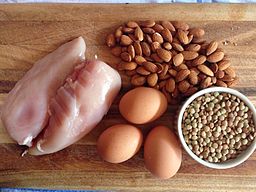
You need to consume more protein to burn fat. Protein isn’t just for building muscle. It’s for burning fat, too. A good way to keep holiday weight gain at bay is to greatly increase your protein intake over the holiday season. While protein helps build and preserve muscle, it also helps to control your appetite as well as boost your metabolism.

Eating more protein to burn fat was confirmed in a study published in the American Journal of Physiology. One group was fed a high protein diet (just over one gram per pound of body-weight per day) while the second group consumed a protein diet near equal to that of the RDA.

The group eating the high protein diet burned more fat than the group consuming protein near equal to the RDA. One reason for the ability of protein to burn fat could be an increased “thermic” effect. The thermic effect of the RDA group was elevated 16% after eating. However, in the high protein group the thermic effect increased a lot after eating, almost 3-times that of the RDA group. This thermic effect of digesting your food peaks approximately one hour after eating.

By adding more protein to each meal, you increase your metabolism. Your body requires more energy (i.e. calories) to process protein than it does carbohydrates.

So go ahead and indulge a little in those high protein holiday foods such as the deviled eggs, shrimp cocktails and of course the holiday turkey!

Here are some good protein-rich food sources:

  • Whey protein
  • Eggs (Deviled during the holiday season)
  • Egg whites
  • Chicken breasts
  • Turkey breasts
  • Lean beef
  • Fish (tuna, salmon, shrimp cocktail)
  • Protein bars
  • Egg protein powder
  • Casein (cottage cheese)
  • Milk or Almond Milk

Post-Workout Shake:

A post-workout shake will help you get the right protein and the right carbs at the right time – immediately after your workout. You can prepare your post-workout shake before you hit the gym, stick it in a thermos and take it with you to store in your locker.

Simply choose your favorite whole food protein shake or whey protein shake, add a cup of frozen fruit (strawberries, blueberries, raspberries), and then mix in a blender. You can alter how much of the powder and fruit you use to get the appropriate number of calories you want as well as shake thickness.

Or, you can try this version of the fat-burning post-workout shake:

Add 1/2 to 1 1/2 cups of orange juice, a scoop of your favorite protein shake, one serving of creatine, and then finish with a cup of frozen fruit. You can alter this any number of ways to suit your taste buds. You could add banana, or even some yogurt, which will also make the shake a little thicker in its consistency.

Want to indulge in some of those great holiday treats like pie? Instead of having it after a big holiday meal, save the dessert for post-workout. Have a serving of a good whey protein powder with water for your protein and then have that piece of apple or pumpkin pie.

Happy Holidays!

5 Powerful Spices and Herbs to Increase Metabolism

Photo credit: I, [CC BY-SA 2.5 (http://creativecommons.org/licenses/by-sa/2.5)%5D, via Wikimedia Commons

When you’re trying to get healthy, it’s easy to get caught up in the latest of fad diets, exercise tools, and the like that can cost you a lot of time, money, and leave you feeling frustrated. Thankfully, with the modern spread of information, it’s a lot easier to research and find which things work for people so that you can reach your health goals. The primary focus of this article is to reveal a few powerful spices and herbs to increase metabolism and improve health.

Ginseng

This famous herb has been associated with energy and metabolism for 2000 years. Its presence in tea has made ginseng tea a favorite among people looking to promote a more energetic lifestyle, and studies have shown that ginseng can greatly help with weight loss if consumed every day for a sustained period. Ginseng was also found to have a favorable effect on insulin sensitivity, making it a good choice for people who deal with diabetes.

Turmeric

Turmeric is a staple ingredient in Indian cuisine, which is notoriously spicy-and health-enhancing. This powerful spice contains anti-inflammatory properties, which may reduce arthritis symptoms and improve other chronic inflammatory conditions like heart disease and type 2 diabetes. Turmeric’s active ingredient, curcumin, also helps to burn fat, promote proper metabolism, aids digestion, and corrects bile deficiencies and excesses.

Cayenne Pepper

In the last few hundred years, there have been a number of tonics that have employed the use of capsaicin, the active or hot ingredient in cayenne pepper to help treat various ailments. Today, science has uncovered more of the specifics in the way that we can use this powerful agent to reduce caloric intake, shrink fat tissues, and clean the vascular system. Research has discovered that it can stimulate thermogenesis, which is the process of metabolizing fats to generate heat. In fact, the Global Healing Center mentioned that eating hot peppers, such as Cayenne, can increase your metabolism by as much as 25%.

Cinnamon

People have had a strong love of cinnamon for quite some time due to its festive flavoring and associations with holiday time, but this powerful spice has many other advantages. Research has shown that cinnamon can lower blood sugar levels substantially, in addition to increasing glucose metabolism by more than 18 times the regular amount. This means that it helps to make your metabolism more efficient, which is also ideal for people who have diabetes or might be close to becoming diabetic.

Mustard

People tend to think of mustard as simply a condiment, but it’s been shown that less than a teaspoon of mustard seeds can increase your metabolic rate 20 -25% for several hours after eating, which could result in roughly 50 calories being burned per hour.

If you use these herbs and spices for weight loss on a regular basis, you will gradually see and feel the difference in your overall health and well-being.


5 Simple Ways to Smarter, Healthier Eating

Photo credit: Jeff Krugh, CC BY-SA 4.0

The last few centuries have seen a lot of technological advances for us as a species. One of those significant advances was to change the way we farm and produce food. It used to be a deeply personal experience. We grew our own food, preserved it, hunted, and bartered with our community for the items we could not provide for ourselves. These days the majority get their food from huge factory farms. These farms are so massive in scale and the contamination factor so great that they often sterilize our food to make it safe for consumption. We have effectively removed ourselves from the process and become reliant on corporations to make our food choices for us. The rise of obesity, diabetes, and numerous other health problems indicates that we need to regain control of our food choices. Here are some simple ways to immediately improve what you eat:

1. Eat grass-fed and pastured meat and eggs. Factory farms mistreat their animals and feed them substandard food. When you consume an unhealthy animal, you’re not providing adequate nutrition to your own body. Animals allowed to graze and eat a diet natural to them are leaner than their “fattened” counterparts, they have more omega-3 fatty acids, and they’re more nutrient-dense.

2. Ferment your food. The fermentation process inactivates most of the anti-nutrients in certain foods so that they are easier to digest, and our body can make better use of their nutrients. Fermentation also creates healthy live bacteria and yeast. Our digestive system needs these beneficial bacteria to form a balance and to do its job effectively. You can ferment many foods in your own home for little money. Try starting with a simple vegetable ferment by soaking vegetables in a salt brine. You can ferment almost any vegetable like peppers, cauliflower, beets, cucumbers, carrots, or asparagus – the list goes on.  

If you choose not to ferment your food at home, visit your local grocery store and purchase fermented veggies, snacks, or drinks. Be sure to check the ingredients list for “Live and Active Cultures” or “Live Active Cultures.” The healthiest products will be those that list the different strains of live probiotics by name, such as Lactobacillus or Bifidobacterium, and should mention how many millions of cultures are within.

3. Consume raw, pastured dairy. If you can get raw dairy in your location, it’s well worth the investment in your health. Raw dairy has healthy bacteria and numerous vitamins and nutrients that are destroyed during the pasteurization process associated with conventional milk. Many people with milk allergies find that they can’t drink regular milk, but they can consume raw. Use raw milk to make healthier versions of yogurt, butter, and kefir.

4. Shop the farmer’s market for local foods. Supermarket foods often travel weeks to get to you, and they’re less than fresh by the time they reach your plate. The nutrient loss associated with these foods is significant. Farmer’s markets usually have fruits and veggies picked that same day, and you would do better to shop there. For more fresh local produce, look into CSAs or visit your local farms yourself.

5. Grow your own or pick your own. Many people are reluctant or unsure of how to grow their own food, but they don’t have to be. Start by selecting one or two items you eat a lot of and planting those in pots or raised beds. Use seed or even buy starter plants from a local nursery. Growing your own tomatoes or strawberries, for instance, is a great start to being more self-sufficient. If you don’t have the resources or the time to grow your own food, you can still harvest fresh produce at local pick-your-own farms. These farms allow you to walk the rows of their crops and pick your own food. Raspberries, strawberries, blackberries, pumpkins, apples, sweet corn, squash, and beans are examples of popular pick your crops.

Top Heart-Healthy Foods: Best Foods for Cardiovascular Health

With all the hype about “heart healthy” foods, it can be tough to know whether your diet is good for your heart. Obvious foods to avoid or to consume in moderation include alcohol, caffeine, sodium and sugar. According to the American Heart Association, less than 1% of adults, and virtually no children, meet the ideal diet guidelines. About 68% of adults in the USA are either overweight or obese. Some simple changes to your diet can help maintain or improve your heart health.

Reduce the saturated fat in your diet by switching from butter and other saturated fats to extra virgin olive oil for cooking. Extra virgin olive oil has a light flavor that won’t overwhelm your recipes and it’s rich in antioxidants. Replacing butter and other fats in your diet can help reduce your cholesterol. Use extra virgin olive oil to stir-fry vegetables or add herbs and pour over salads or brush on whole grain breads.

Sweet potatoes are a good choice to replace white potatoes. White potatoes can cause a quick spike in blood sugar, but sweet potatoes have a low glycemic index. They are rich in fiber, vitamin A and lycopene which helps maintain heart health. Sweet potatoes are naturally sweet so you don’t have to add sugar. You can enhance their flavor by adding cinnamon, which is also good for your heart.

Barley is a flavorful whole grain that you can use in place of white rice. Add barley to soup, stews or simmer with herbs and serve as a side dish. Barley can help lower your cholesterol, too.  Oats in any form can help improve your heart health by reducing your cholesterol. Oats are digested slowly which keeps you feeling full for hours and stabilizes your blood sugar. Replace 30% of white flour in recipes with oats or oat flour when you bake muffins, cookies, or make pancakes.

Fruits and berries are a delicious way to reduce processed sugar in your diet while increasing fiber and antioxidants. Blueberries contain lutein, vitamin C, magnesium, potassium and loads of fiber. Cherries, raspberries and blackberries also contain these heart healthy nutrients. Add fresh fruit to low-fat yogurt, pancakes, muffins and salads.

Red meat is rich in protein but contains fats that, over time, can increase your cholesterol. Replace two red meat meals each week with fish. Fish, especially salmon, contain omega-3 fatty acids that are essential for a healthy heart. Salmon is delicious when baked with herbs and served with steamed or stir-fried vegetables.

Leave the salt in the pantry and cook with fresh or dried herbs. Herbs not only add rich flavor to food, they also contain powerful antioxidants to help reduce cell damage. Herbs should be part of your diet to help reduce heart disease, fight high cholesterol and reduce your risk of diabetes.

Overall, try to select a variety of whole foods over processed foods whenever possible. A well-balanced diet, daily exercise, stress management, and adequate sleep are some of the essentials for preventing heart disease and boosting heart health.

3 Best Sources of Veggie Protein

High cholesterol, heart disease, and obesity are serious health problems associated with eating a high-fat diet. Fatty meats, such as beef and pork, can increase the fat in your blood and raise cholesterol to unhealthy levels, leading to coronary artery disease and heart disease. One way to cut the fat in your diet is to eat less meat. While meat contains a rich source of protein, you can also get sufficient protein from vegetables. Protein is an essential nutrient, but you don’t need to consume a lot of it to be healthy. The recommended daily allowance of protein for most people is about 0.36 grams of protein for every pound of your body weight. For the average adult, this is about 50 grams of protein per day. According to the Centers for Disease Control and Prevention (CDC.gov), women need about 46 grams and men 56 grams of protein each day. You may be concerned about getting enough protein if you eat less meat to help reduce cholesterol and fat in your diet. With some planning, even vegetarians and vegans can get enough essential protein by eating vegetables and grains.

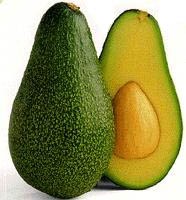
The avocado is one of the richest vegetable sources of protein. Technically a fruit, avocado contains about 4 grams of protein per cup. Avocado also includes all the essential amino acids to build muscle tissue and make the additional proteins your body needs. Amino acids are crucial for building and repairing muscle tissue and critical to a healthy immune system. When you eat avocados, you get the added benefit of omega-3 fatty acids that are important for a healthy heart. Fresh, raw avocado is the best choice for protein. Eat it raw, sliced on a salad, a sandwich, or lightly sautéed in avocado oil. Try adding some avocado oil to your salad for a delicious, nutritious alternative to high-calorie, high-fat, and bottled dressings.

All legumes are high in protein, and peas are no exception. One cup of peas contains almost 8 grams of protein. Peas are a great option as a side dish, in soups, or eaten raw in salads. You can also blend peas into a dip or pesto, prepare as hummus, or add fresh peas to fruit smoothies. Other beans to add to your diet for protein include kidney beans, pinto beans, and black beans. Two cups of kidney beans contain more than 25 grams of protein or about half of the daily recommended amount of protein for the average adult male. Consume beans alone, as a side dish, or add to soups, stews, and salads. Try adding black beans to whole grain rice. If you buy dry beans, soak them overnight in plain water. Rinse and then cook them until tender.

Soy is a nutritious source of vegetable protein. Many people enjoy soy as a meat substitute and the main ingredient in veggie burgers. Even if you don’t like soy as a meat substitute, you might love edamame. Edamame is simply an immature soybean, still in the pod, like snow peas, except you don’t eat the bean pod. You can eat edamame raw or cooked, boiled, steamed, and hot or cold. Try it cooked and sprinkled with salt as an appetizer, a side dish, or add it to salads and pasta. Roast edamame like chickpeas and serve alone or as a side dish. One-half cup of edamame contains more than 8 grams of protein.


References:

Centers of Disease Control:  Protein

http://www.cdc.gov/nutrition/everyone/basics/protein.html


Photo credit:

Public Domain via Wikimedia Commons

http://commons.wikimedia.org/wiki/File:Avocado.jpeg

Cyclonebill from Copenhagen, Denmark (Friske ærter Uploaded by FAEP) [CC-BY-SA-2.0 (http://creativecommons.org/licenses/by-sa/2.0)%5D, via Wikimedia Commons

http://commons.wikimedia.org/wiki/File:Friske_%C3%A6rter_%284739134511%29.jpg

Cyclonebill from Copenhagen, Denmark (Edamame Uploaded by FAEP) [CC-BY-SA-2.0 (http://creativecommons.org/licenses/by-sa/2.0)%5D, via Wikimedia Commons

http://commons.wikimedia.org/wiki/File:Edamame_%285700539494%29.jpg


5 Nutrition Tips That Will Keep You Energized All Day Long

How many of you need at least three cups of coffee to accomplish your daily tasks? Often times, even a restful night’s sleep is met with feelings of grogginess as the day progresses. In 2017 alone, the energy drink business reportedly grossed $2.98 billion dollars.

This does not include the revenue gained from coffee and tea sales. Although the regular consumption of additional energy is thriving, many people still report possessing a lack of energy. This leaves a multitude of individuals unproductive due to extreme fatigue.

When it comes to energy and the body, this relationship can be likened to the gas that moves a car. The process of converting what we eat into energy is no simple production. After our food is digested, it is mixed with acids and enzymes. The sugars or carbohydrates are converted into glucose.

Our body stores this glucose in order to produce energy at a specific time. Glucose heavily relies on instruction from Insulin, which is like the hormone boss of glucose. Energy is created through insulin traveling within the bloodstream and allowing the proper amount of glucose inside.

In essence, the types of food we eat determine how much energy we have! Which is why nutrition is so vital to our energy production and overall health.

If you have been lacking motivation, feeling sluggish, or surviving off of energy drinks, you may have a nutritional deficiency. Changing your diet in conjunction with a proper exercise routine may assist with improved energy. Consider these five simple foods that will increase your energy all day long.

  1. Sweet Potatoes

Sweet potatoes are good carbohydrates that are jam-packed with energy-producing vitamins such as A and C. Since they are filled with natural flavor, sweet potatoes don’t need much to taste good. This versatile food can be accompanied with a lean protein for an awesome afternoon lunch.

  1. Bananas

Bananas aren’t only known for their high potassium levels. They are actually compiled entirely of glucose- the healthy sugar. Munching on one of these fruits for breakfast will keep you energized throughout the day. In addition, you only need to eat one banana in order to achieve a boost. Mixed in a morning smoothie or served with oatmeal, bananas are sure to give your meal a subtle dash of sweetness.

  1. Salmon

Salmon is a lean protein full of Omega-3 fatty acids which promote a healthy heart. In addition to its countless health benefits, salmon is filled with the B6 vitamin that directly assists with turning food into energy. Test out your culinary skills by combining salmon with whole wheat pasta or combining it with a hearty salad.

  1. Blueberries

Blueberries may be tiny, but they are filled with benefits. Primarily used as an antioxidant, blueberries are also compiled with energy-boosting vitamins.

Another awesome benefit of eating blueberries as a snack is their low-calorie count. In fact, one serving is only 81 calories. Much like bananas, blueberries can be mixed in smoothies or combined with yogurt. This small snack can get you through the mid-day slump.

  1. Almonds

Almonds are also an excellent bite that will keep you full and energized. In order for your body to circulate energy, it survives off of elements like copper and manganese. Almonds are filled with these components, making them an ideal and convenient snack. Their slight saltiness and mega crunch can be a great alternative to chips.

In addition to healthy eating, maintaining a constant exercise routine has been proven to increase energy levels in the body. Nutritionist Samantha Heller, MS, RD says,

“Contrary to popular belief, exercising doesn’t make you tired — it literally creates energy in your body. Your body rises up to meet the challenge for more energy by becoming stronger.”

If increased energy is your goal, start your day by engaging your body in at least a 10-15-minute walk or brisk run. This will encourage your body to awaken, thus building your stamina for future routines. As always, consult with your healthcare physician in order to collaborate on the best regimen for your body.

To remain energized and combat feelings of constant lethargy, dedication is imperative. You must become mindful of the items you eat as well as the activities you engage in. By doing so, your mind and body will become naturally energized!


5 Great Things About Mushrooms

Photo credit: Acabashi [CC BY-SA 4.0 (https://creativecommons.org/licenses/by-sa/4.0)%5D

When you think “healthy eating,” you might not necessarily think of mushrooms, but they could be your golden ticket to a noticeable improvement in your overall health. There has recently been an influx of research surrounding mushrooms and the potential health benefits they can offer.

Researchers are finding that mushrooms are far more beneficial to us than we previously thought. In addition to the many benefits listed below, mushrooms are a great source of healthy protein, making them a favorite amongst vegetarians, and also have many versatile ways of use; they can even be used to create a pasta-alternative.

There’s so much that mushrooms have to offer you. In this article, I’ll share with you five of my favorite health benefits that mushrooms have in store for you.

1) They can improve your immune system

An antioxidant in mushrooms, Ergothioneine, contains sulfur, which helps boost your immune system. They also contain antibiotics naturally, helping prevent infections.

Mushrooms also help to minimize free radicals thanks to Ergothioneine. Free radicals can cause damage to your body and increase your risk of developing diseases. Eating foods that are good for your immune system are a necessary part of keeping it healthy.

2) They can help treat anemia

Mushrooms are a great source of iron, the nutrient of which those with anemia are deficient. Eating mushrooms can help those with anemia boost the iron levels in their blood, minimizing effects like headaches, digestive issues, fatigue, and brain fog (a name given to decreased ability to optimally function mentally, or in layman’s terms, being just a little slower on the uptake).

While eating mushrooms won’t treat these effects once they have started, they will help to minimize or eliminate altogether their presence in the future.

3) They can help strengthen your bones

Mushrooms, like milk, are abundant in calcium which helps to strengthen your bones. The calcium found in mushrooms can not only help strengthen your bones, but also reduce your risk of developing osteoporosis and minimize joint pain or immobility caused by age-related bone deterioration. This can help you to feel more agile and experience less pain and swelling in your joints.

4) They can help you absorb nutrients better

Believe it or not, mushrooms contain Vitamin D, which isn’t often found in vegetables. Vitamin D helps move the absorption and metabolism of phosphorus and calcium along, which means you absorb the full nutrients and experience the full effects sooner. Vitamin D is also beneficial for boosting your energy as well as your mood.

5) They can help you lose weight

Mushrooms are ranked higher than most vegetables and fruits in healthiness because of the many benefits they can offer you. They offer the ideal nutritional balance to encourage weight loss in a healthy way.

Mushrooms are chock full of protein and fiber without cholesterol and with a very low carbohydrate count; they’re the perfect addition to your healthy diet. Mushrooms are also a very versatile option for those on a gluten-free or vegetarian diet, as they can be made into pastas and provide a rich source of healthy protein.

You may not have considered the value of mushrooms before, but they certainly can be a vital part of your healthy eating journey. Mushrooms are packed full of nutrients you need while also being extremely healthy, and they can even help you lose weight.

These magical fungi can be your golden ticket to a healthier life. I hope that, through this article, I have helped convince you to integrate more mushrooms into your diet in an effort to improve your overall health.


5 Healthy Snacks to Fire Up Your Creative Juices

Public domain

Choosing the right kinds of snacks to eat during the day can be tricky. We are bombarded with the unhealthy, caffeine induced, sugary items each and every day, which makes them hard to avoid. It’s important to choose the right kinds of foods and snacks in order to maintain our health. Certain foods can help boost our brain power and get those creative juices flowing, especially when you need to rely on creativity and sharp thinking skills to get the job done. Here are a few snack ideas that will give your brain the fuel necessary to fire up your creative process.

Oatmeal – This healthy snack is an ideal way to start the day. Oatmeal is a superfood that gives your brain power a boost and promotes cardiovascular health. The soluble fiber, protein and healthy carbohydrates contained in oatmeal will sustain you and help you avoid snacking in between meals. Oatmeal also helps to fight cholesterol, and it’s a quick and easy snack that is perfect for any time of the day.

Blueberries – This is a powerful snack that can help protect the brain against oxidative stress, which in turn will enhance your brain activity and get those innovative juices flowing. Blueberries are extremely rich in antioxidants, which help to support the immune system and overall health. You can consume them by the handful or mix them in with other fruits and make a smoothie. Either way, you are getting the benefits of one of the best brain foods out there. It’s also been said that blueberries are one of the best anti-stress foods that you can eat.

Walnuts – One of the best snacks containing Omega-3 fatty acids are walnuts. Omega 3’s are excellent for boosting brain power and also promote optimal cardiovascular health. You can eat walnuts by themselves, put them in a smoothie, or eat them on a salad. This is definitely one snack you can make a part of your daily routine.

Sunflower Seeds – This tiny snack is full of the nutrients necessary for high-level brain power. These seeds are packed with Vitamin E and have been known to lower cholesterol. As with walnuts, you can eat these on a salad or simply by the handful. The Vitamin E contained in sunflower seeds can also help reduce the anti-inflammatory symptoms that come along with asthma, joint pain, ulcers, etc.

Whole Grains – When you choose to make whole grains a part of your daily snacking routine, you’ve already put yourself on a path to a healthier lifestyle. Whole grains are packed with nutrients including fiber, protein, antioxidants, B vitamins, and trace minerals (e.g. zinc, copper, magnesium and iron). Brown cereals, rice, pasta, and bread are all on the list of smart whole grain brain boosters. These foods have been linked in preventing certain diseases, such as type 2 diabetes, heart disease, and some forms of cancer, and allow us the steady supply of energy we need to get through the day.

With all the unhealthy choices we face each day, it’s hard to pick those snacks that will give us the steady energy we need to get through the day. Find a way to get in the routine of making better and healthier choices when it comes to the fuel we give our bodies. The right kinds of foods will jump-start our brain activity and give us the creative spark we need to accomplish our goals and be one step closer to the success we desire.