Are Fruits High In Sugar?

Photo Credit: André Karwath CC-BY-SA-2.5 2005
Sugar is a simple carbohydrate found in many fruits. Sugars are monosaccharides and disaccharides. Monosaccharides are simple sugar molecules like glucose and fructose. Dissacharides are two sugar molecules, such as sucrose. Sucrose is the familiar granulated table sugar. Lactose and dextrose are other types of dissacharide sugars. When several sugar molecules combine, they form a starch, or a complex carbohydrate. Sugar not only makes food taste sweet, it also provides your body with the fuel necessary for energy and body functions. Although sugar provides energy and is relatively low in calories (about 16 calories per teaspoon), it contains no essential vitamins and minerals. Fresh, raw fruits contain the monosaccharide fructose, but they also contain a number of essential vitamins and minerals. The sugar content varies in different fruits, but generally, raw fruit does not contain enough sugar to derail your diet. 
Fruits that are high in natural sugar will taste sweeter than other fruits. Apples, dates, bananas, figs, cherries and grapes contain more natural sugars than watermelon, strawberries, lemons, limes and kiwi fruits. Whole, fresh fruits contain essential vitamins like A, C, E and K. Minerals include potassium, zinc and magnesium. Fruits are also abundant in fiber, which should be an important part of a healthy, balanced diet. 

For more information about sugar content in popular foods, see:
WebMD, Sugar Shockers: Foods Surprisingly High In Sugar, by  Elaine Magee, MPH, RD

Good Nutrition on a Budget

Markus Hagenlocher CC-BY-SA-3.0-migrated 2005

It can be tough to maintain a healthy diet of nutritious foods when you are on a tight budget with limited funds.  Food prices fluctuate, but mostly they continue to increase. The good news is that you can still find nutritious foods at cheap prices. The easiest way to cut your food expenses is to eat meals that you prepare at home. Skip the restaurants for dinner and avoid fast food for lunch. You will save money and feel better by cutting out extra fat, sodium and carbohydrates that are typically found in restaurant and fast foods. You will save money when you buy in bulk and avoid buying pre-packaged processed meals.

Dried beans and peas are a healthy, nutritious food that costs less $2 per 16 ounce package. Beans and dried peas are an ideal side dish, a main dish and add flavor to soups, salads and stews. Beans and peas contain an abundant source of protein and fiber. Dry beans and peas will double in size when cooked, so a little goes a long way. Soak dry beans in cold water and cook on low-to-medium heat at a simmer for about 30 minutes or until tender. .

Whole grain oats are a superb value and can be used in many different dishes. Oats can be cooked and eaten as a hot breakfast cereal or used as a topping for yogurt. Oats can also be eaten in muffins and low-sugar cookies. One serving of oats costs less than $0.15. Oats provide plenty of protein and fiber, which makes it a perfect heart-healthy food.

Vegetables remain a good buy and are an essential part of a healthy diet. You can save money by purchasing frozen vegetables instead of fresh produce. Frozen corn, green beans, peas, carrots, broccoli and Brussel sprouts are usually available in large and medium-sized bags priced from around $2 to $4 per bag. A 24-ounce bag of frozen vegetables contains about 8 cups of vegetables. Vegetables are low in calories, high in fiber, protein, potassium and Vitamin A and Vitamin C.

Rice is a stable food for millions of people around the world. Brown rice is delicious alone or as a side dish. Cook brown rice until tender and use it in soups, casseroles or salads. Brown rice costs less than $0.20 cents per serving and a small bag that contains 10-1/2 cup servings costs less than $2. Brown rice is packed with protein and fiber making it a healthy food choice. Whole wheat pasta costs around $0.25 per serving. Use whole wheat pasta for cold pasta salad dishes or as a main dish. Whole wheat pasta is rich in nutrients and fiber.

Buy in bulk when you can to cut your grocery bill without sacrificing nutrition. If you have the space, grow some vegetables. Tomatoes, cucumbers and beans can be grown in a small area or in patio containers. Join a community garden where you can grow carrots, corn and potatoes. If you are a city-dweller and don’t have space or there is no community garden in your area, start a community garden. Shop at a farmer’s market for fresh vegetables grown in your area.

For more information about eating better meals for less money, see:

MSNBC, Eat Better for Less Money, 2009

Do You Need A Vitamin Supplement?

Photo Credit: Ragesoss CC-BY-SA-3.0 2008

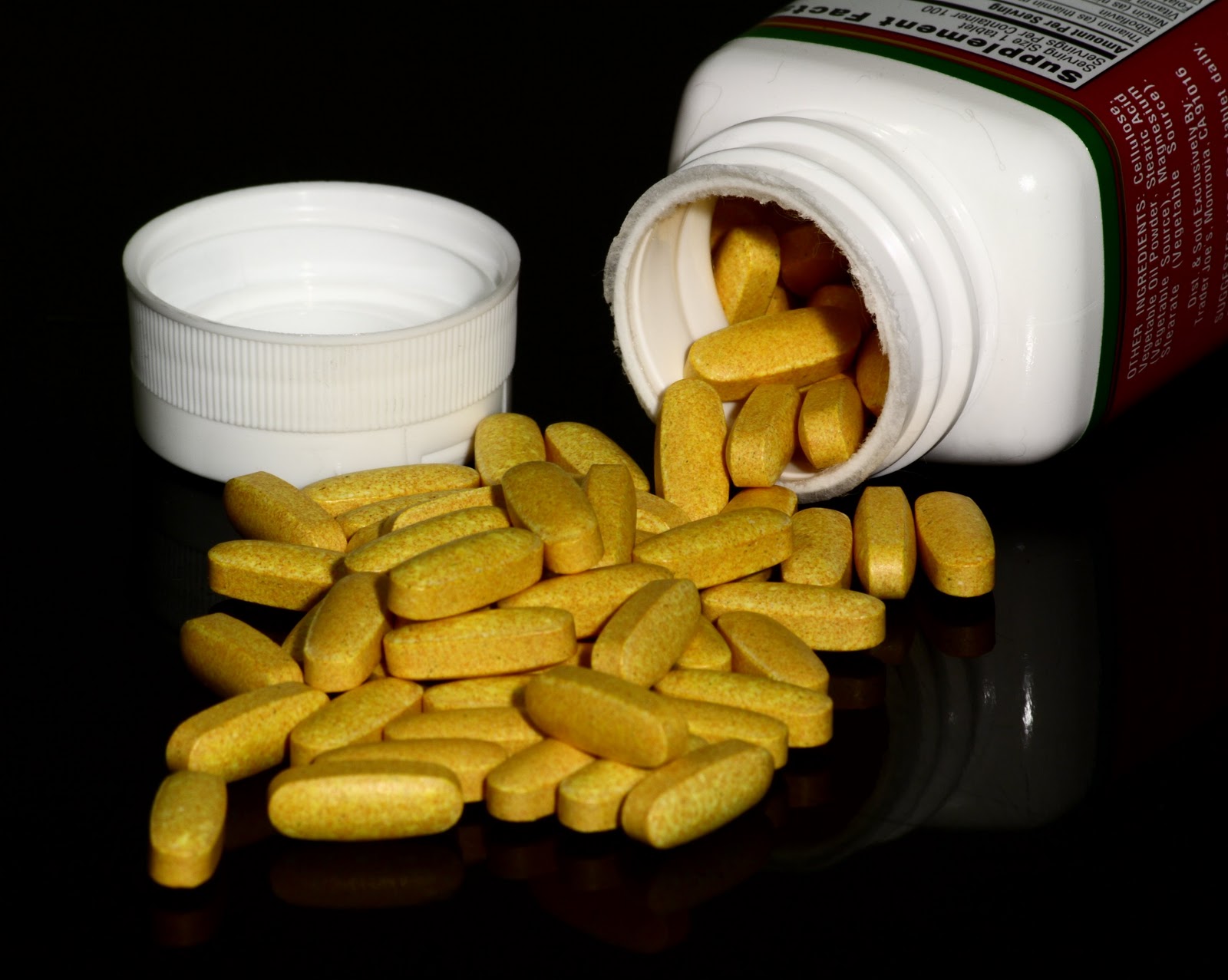
Most people will get all the nutrition they need from the foods they eat every day. Fruits, vegetables, meat or vegetable proteins, dairy and fish can provide complete nutrition for most people. Some people may not be able to get all the nutrients and vitamins they need from diet alone. Those with food allergies, such as lactose intolerance or nut allergies, may not get enough calcium or protein in their diet. People who neglect their food intake due to busy lifestyles may also require a vitamin and mineral supplement. It is always best to adjust your eating  habits to include foods that provide you with complete nutrition. However, if it is not possible to make dietary changes, a vitamin and mineral supplement may help fill in the nutrition gaps. 
It is important to remember that vitamin and mineral supplements are not a substitute for eating food. Supplements are often composed of different molecular combinations than those found in foods and may not be as easily absorbed by the body. Also be aware that vitamin and mineral dietary supplement tablets may not contain all the trace elements your body needs that are typically found in natural foods like beans, rice, oranges and whole wheat. For example, oranges are loaded with Vitamin C, but fresh oranges also contain calcium, fiber, potassium and other trace elements that your body needs to maintain a healthy immune system. Dietary supplements are not designed to replace nutritious foods, but merely to provide additional nutrition that may be lacking in your diet. 
People who are healthy and incorporate a variety of foods in their daily diet including protein, fiber, carbohydrates, and fats usually do not need a vitamin or mineral supplement. Another way to avoid the necessity of taking a dietary supplement is to eat foods that are fortified with extra nutrition. Vitamin D fortified milk and dairy products, juices with extra Vitamin C and enriched grains are usually sufficient to meet all your nutritional needs. Your doctor can help you decide if you need a vitamin supplement. If you decide to supplement your nutrition with an over-the-counter vitamin, read the label carefully and heed any warnings. Avoid over-dosing by taking more than is recommended. People who may need a vitamin supplement include pregnant women (be sure to follow your doctor’s advice if you are pregnant) vegans and vegetarians who do not eat enough plant proteins, people with food allergies and those who eat less than 1600 calories every day. Check the expiration date on the label and discard all dietary supplement pills that have exceeded the expiration date. 

Nutritional Snacks For Traveling

Photo Credit: Jon Sullivan Public Domain

It isn’t always easy to eat healthy meals and snacks when traveling. Fast food and vending machines may be convenient, but the fare they offer can undo your weight-loss program and often the food is high in fat, but low in nutrients. You should eat when traveling because your body will need energy to fight off fatigue. The best way to avoid hunger and the urge to grab a fat laden burger or a bag of greasy chips from a vending machine is to plan ahead and pack your own snacks. Fewer airlines and practically no rail companies provide in-transit meals. The meals that are provided are usually highly processed foods laden with chemical preservatives. The best alternative is to bring your own food. Check with your travel agent or transportation provider to make sure the snacks you want to bring on mass transit are permitted before you leave home. Drink plenty of water before you begin your trip and stash a few bottles of water in your carry-on baggage. Dehydration can contribute to fatigue and headache. 
Pack a few apples, oranges, whole peaches and grapes for your trip. These fruits travel well and will keep fresh for hours in plastic containers or a soft-side lunch box. Wash your fruits thoroughly and dry them before placing them in plastic containers or in a lunch box. Don’t slice or peel the fruits, but plan to eat the fruit whole. Oranges can be peeled and separated into slices before placing them in a container. 
Granola and nuts travel well and won’t spoil during long trips. Pick up a box of granola or granola and fruit bars on your way to the airport or train station. Granola and nuts are loaded with fiber, vitamins, minerals and antioxidants that are essential to healthy cell function. Granola and nuts contain heart-healthy fats that your body needs to absorb fat-soluble vitamins and minerals. Select whole nuts and granola bars with whole grains, such as oats, for maximum nutrition. Always eat a healthy breakfast before you travel. Eating breakfast will prevent mid-morning hunger and the temptation to indulge in sweet rolls or donuts. Limit your caffeine consumption. Caffeine can increase your heart rate and make you feel fatigued after the caffeine wears off. 
When staying in a hotel, bring bottled water, fresh fruit and whole-grain crackers to the hotel. High fiber crackers and cookies make a filling and healthy late-night snack and can help you avoid the temptation to order room service food. Try to avoid ordering fast food or room service during your trip. Many fast food menus contain foods that are high in saturated fat and calories, but offer little in nutrition. Bring a bag of fresh, raw vegetables along for the trip. Carrots, celery and broccoli travel well in plastic containers.

Dietary Supplements & Safety

Photo Credit: KTo288 CC-BY-SA-3.0 2009

In recent years there has been an increase in the marketing and use of dietary supplements. Herbal and so-called natural supplements are available at grocery stores and pharmacies in nearly every town in America. Dietary supplements may tout benefits such as lowering blood pressure, appetite suppression for weight loss, increased energy or improved sexual performance. Dietary supplements, especially herbal concoctions, are not subject to the same strict FDA regulations that apply to prescription drugs. Manufacturers of herbal dietary supplements are not required to have FDA approval before marketing their product. Manufacturers of dietary supplements can make health benefit claims if the manufacturer can show some research to support the health claims, and if the manufacturer disclaims FDA approval and evaluation of the claims. Essentially, all that is required of dietary supplement makers is that they follow good manufacturing practices and meet minimum quality standards. The FDA does monitor safety reports of dietary supplements after they are available to the public. Even if a manufacturer follows the less stringent rules to the letter, there is still no guarantee that an herbal supplement is safe for you to take. The side effects of many plant extracts are not completely understood and the combination of different herbal supplements may cause serious side effects. Always consult a physician before taking any over- the-counter herbal supplement.
Compare the ingredients contained in dietary supplements. A reliable database of ingredient information is maintained by the National Library of Medicine. Visit the National Library of Medicine website for information about the plant source, uses and known or potential side effects of a supplement ingredient. The database contains a list of all known herbal and other dietary supplements in alphabetical order, so information is easy to find. You can also search for information about ingredients by uses, manufacturer or brand name. Research all ingredients, not the just the primary ingredient. Dietary supplements often contain many ingredients, some in trace amounts. Even tiny amounts of some ingredients can have serious side effects if you are sensitive to the ingredient or have an allergy. It is critical to your health that you educate yourself about supplement ingredients and talk to your doctor before using any over-the-counter herbal or other dietary supplement. 
Dietary supplements may be beneficial if used properly with the advice and supervision of your doctor. Avoid mixing different types of supplements without knowing the potential side effects of each and how the ingredients react when combined. Your doctor is the best person to talk to about whether you need a dietary supplement.

For more information about dietary supplements, see:

National Center for Complementary and Alternative Medicine, Using Dietary Supplements Wisely

Are You Ready to Power-Walk?

The benefits of walking cannot be stressed enough. Walking is one of the easiest ways to lose weight, improve your overall level of fitness and it’s fun. You don’t need fancy equipment to exercise by walking. You need only don a good supportive pair of walking shoes, some comfortable clothing and a safe place to walk. In addition to losing weight and burning body fat, walking can help you reduce your bad LDL cholesterol level and increase your good  HDL cholesterol. You may see your blood pressure lowered and by losing body fat you reduce your risk of developing type 2 diabetes. Walking is a low-impact exercise that works the whole body with minimal risk of injury. For those who want to take their walking exercise to the next level, power-walking may be the answer. Power-walking is a type of brisk walking with a technique to get the most from each stride. The goal of a power-walking exercise is not speed but power and technique. 

Photo Credit: Escuela Virtual de Deportes CC-BY-SA-2.5-CO 2010
Begin your power-walk by concentrating on pushing off from the back foot as your front foot lands on the ground. Walk heel to toe. The front foot should contact the ground heel first and roll across the ground toward the toe as you push off with your back foot using your toes. Allow your hips to rotate forward and backward and your waist to twist naturally while walking. Avoid the urge to lean forward as you power-walk. Keep your upper body upright and look straight ahead. People naturally swing their arms when casually walking. For the power-walk, bend your elbows and keep your arms close to your body. Allow your elbows to swing back and forth with your gait, but don’t pump your arms. Try to keep your upper body and arms as relaxed as possible while you push off during a power-walk. 
If you’ve been walking at a normal gait for 30 minutes or more without becoming fatigued, introduce power-walking in 5 minute intervals. Interval training can help improve your stamina, cardiovascular and respiratory health. You’ll burn more calories by interval training. Walk at a normal gait for 10 minutes and then power-walk for at least 5 minutes. Cool down by returning to a normal walking pace and repeat 5 minutes of power-walking. Beginners may want to power-walk for 2 to 3 minutes and gradually build up to the full 5 minutes of power-walking. As your stamina increases, increase the amount of time for each interval of power-walking until you can power-walk for 10 minutes followed by 5 minutes of normal walking pace. 

For more information, see:

Choosing the Best Fruit & Vegetables Juices

Photo Credit: PD USDA ARS
Every person needs to eat several servings of fruits and vegetables every day. The best way to get nutrition from fruits and vegetables is to eat them raw. Steamed vegetables retain more vitamins and minerals than boiled vegetables. Vegetables that have been lightly grilled in olive oil are tasty and retain most of the nutrients your body needs. The alternative to eating raw fruits and berries is to drink fruit juice. Fruit and berry juices that contain most of the natural pulp are better for you than strained juices because the pulp provides necessary fiber and extra vitamins and minerals. Drinking vegetables in a juice mixture that contains flavorful fruits and berries can increase the nutritional value of your juice drink. For example, tomatoes contain lycopene which is important for men’s prostate health, but not everyone likes the taste of plain tomato juice. Vegetable juice mixtures can be made at home using a juicer. Some juices available at the supermarket may contain excess sodium and sugars, so read the nutrition labels carefully. Buy a low-sodium, low-sugar or sugar-free juice when possible.
Cranberry and orange juice are both loaded with Vitamin C, which is an important immune system supporting nutrient. Select an orange juice with some pulp or make your own juice at home. A cranberry juice mixed with blueberry juice and cherry juice makes a delicious, nutritious juice cocktail. Pomegranate juice tastes delicious and is loaded with antioxidant vitamins and minerals, but pomegranate juice is high in sugar. If you are counting calories, drink one 8-ounce of pomegranate juice each day. You can dilute juices that have a high sugar content with water to help reduce the amount of calories and still get most of the benefits of drinking juices. Red grape juice is rich in the antioxidants flavanoids and resveratrol that your cells need to function properly and repair damage. Select a red grape juice that is made from the whole grape, including the seeds and skin. 
When you make juice at home using a juicer, many nutrients are tossed out with the pulp and the skin. Use a juicer that pulverizes the whole fruits and vegetables so that you get the maximum nutritional benefit from fresh juices. Try mixing different fruits, vegetables and berries to create  your own unique juice blends.
For more information about the benefits of juice and juicing, see:
Mayo Clinic, Is juicing healthier than eating whole fruits or vegetables?, Jennifer K. Nelson, R.D., L.D., 2010

Healthiest Fast Food Breakfasts

Photo Credit: H M Bascom © 2011
You know how important it is to eat a healthy breakfast. What if you are running late for work and don’t have time to prepare  your own meal? Busy people can find healthy fast food breakfast foods. Some fast food breakfast menus offer nutritional items that are high in fiber and protein, but may still be loaded with saturated fats and sugar. Many fast food restaurants make nutrition information available to their patrons by printing the information on the food packaging or providing nutrition information leaflets. Take the time to do a little research and you will be prepared to make wise fast food choices on the run.
McDonald’s is a popular fast food stop for people on the go. The fast food giant offers a wide variety of breakfast foods. According to  Elaine Magee, MPH, RD, writing for the WebMD website, the Egg McMuffin is the best McDonald’s breakfast choice with 300 calories, 12 grams of fat and 2 grams of fiber. The McMuffin does contain more than 800 mg of sodium. The hotcakes at McDonald’s is the next best fast food breakfast choice. If you skip the margarine and syrup, your hotcakes breakfast contains about 350 calories, 3 gram of fiber and 590 milligrams of sodium. 
Burger King offers some fast food menu items that contain fewer calories than the McDonald’s choices. The King’s ham omelet sandwich contains only 290 calories, but 13 grams of fat and 870 milligrams of sodium. The French toast stick breakfast contains fewer calories, about 240 but it has 13 grams of fat and 2.5 grams of saturated fat. These tasty breakfast goodies have zero cholesterol, 250 milligrams of sodium and only 1 gram of fiber.  
Dunkin’ Doughnuts offers some delicious breakfast bagels. The sweets specialist offers customers wheat, blueberry and honey bran raisin muffins. The blueberry and wheat bagel contain about 330 calories. The honey bran raisin muffin has more calories and sodium, about 40 milligrams of each, and 15 grams of fat. The blueberry bagel has 600 milligrams of sodium but is lower in fat than the other healthier breakfast options. 
It is important that you always eat breakfast. Don’t skip breakfast unless you cannot avoid it. Your body needs the nutrients and energy to function. If you have no time to make breakfast or stop for a meal, drink some juice on your way out the door. Drink a glass of orange juice or low-fat milk instead of coffee if you have to opt for a fast food breakfast.
For more information about fast food breakfasts, see:

WebMD, Best and Worst Fast-Food Breakfast, by Elaine Magee, MPH, RD, reviewed by Louise Chang, MD, 2011

Tips to Keep Your Diet Resolution

You’ve made a New Year’s resolution to eat a healthy diet and to stay on it. Now what? Where do you begin and how do you keep your promise to yourself? First see your doctor for a complete physical. Find out if you have high blood pressure, are at risk for diabetes, have high cholesterol or any other health condition that should be addressed before starting a weight-loss program. Next, take advantage of support groups and supportive friends and family to help you stay the course and reach your weight-loss goals. A dietitian can help you plan meals. A personal trainer can help you to exercise safely and effectively to achieve your goals.
Photo Credit: Evan-Amos, PD
Clean out your refrigerator, your freezer and your pantry. Get rid high calorie fatty foods. Remove potato chips, French fries, ice cream, candy and cakes. Replace these foods with fruits, vegetables, low-fat yogurt , whole grains and nuts. It’s okay to treat yourself to a few potato chips from time to time, however if they are readily available you will be more likely to over-indulge which can undermine your weight-loss goals and make you feel guilty. Buy a healthy-diet cookbook and try some new recipes to add variety to your diet.
Start a food diary and write down everything you eat and drink every day. Also write down how much you consume. Carry your diary with you so that you don’t forget to log you meals and snacks. You will be more aware of the foods you eat. You are probably unaware of just how much food, drinks and snacks you consume on a daily basis. Being aware of your food intake can help you to monitor calories and manage your weight-loss plan. 
Drink a glass of water first thing in the morning and before every meal or snack. Water keeps your body hydrated. Water is essential for healthy organs and digestion. If plain water is too boring, try flavored waters and sugar-free sports drinks to help replenish water and electrolytes. 

Don’t skip breakfast. Eating a healthy breakfast of whole grains, fruits, eggs and low-fat milk can help jump start your metabolism to burn calories all day long. It’s okay to eat your favorite foods. You don’t have to deprive yourself of cookies or pizza. The key to managing your weight-loss program and staying on a diet is to limit the portions and frequency of treats. Buy pizza by the slice instead of a whole pie. Avoid buying a box of cookies or doughnuts and buy just one treat instead.

Trade pasta for vegetables as a side dish. Instead of a serving of macaroni and cheese try some delicious steamed broccoli or grilled mixed vegetables. Use light oils such as olive oil instead of butter to help flavor your foods. Leave the snacks in the pantry when you relax in front of the television. It’s easy to consume a bag of chips or a bowl of popcorn while watching the television. Keep a bowl of fruit or nuts on the table to satisfy your snack urge while enjoying your favorite television program.

Forget about losing weight over-night. You can lose one to two pounds each week by sticking to a healthy weight-loss diet and moderate exercise like walking. Set realistic goals for yourself. Don’t give up if you don’t see results right away. Losing weight takes time and commitment, but the results will be worth the effort.

For more information about healthy diets, see:

Mayo Clinic, Healthy Diets, 2011

Healthy Hangover Helpers

Photo Credit: Public Domain

Most people celebrate the New Year with a few alcoholic drinks. Unfortunately, some people will over-indulge and may experience a hangover the next day. Hangover symptoms include headache, dizziness from dehydration and nausea due to irritation to the stomach lining. Alcohol consumption causes dehydration because it stimulates your body to produce more urine. Other symptoms include loss of memory, inability to concentrate and vomiting. You can find lots of so-called “home remedies” for a hangover, but in reality most home remedies are ineffective and may even make your symptoms worse. It is best to avoid a hangover completely by not drinking alcohol or to drink moderately.

Don’t drink coffee to help your hangover. Coffee can actually make your hangover worse because it contains a large amount of caffeine. Caffeine is a stimulate which increases your heart rate and can initially relieve a headache because it constricts the alcohol swollen blood vessels. However, once the caffeine wears off you will feel fatigued and your headache can return. Caffeine is also a diuretic which can exacerbate dehydration and make your symptoms worse.

Alcohol robs your body of potassium and electrolytes. Good foods to eat the morning after a night of drinking are kiwi and bananas. Both fruits are rich in potassium and electrolytes. A sports drink can also help relieve hangover symptoms. Eggs contain a substance called cysteine. Cysteine helps to cleanse your body of toxins that contribute to hangover symptoms. A breakfast of eggs, whole wheat toast, a banana and some orange juice can help your body recover quicker. Fruit juice or a fruit juice smoothie in the morning can help restore lost minerals, vitamins and electrolytes. Fruit juice also helps to cleanse your body of toxins.

The most important thing you can do to help prevent a hangover or to alleviate hangover symptoms is to drink water. Drinking water helps your liver and kidneys remove toxins produced by drinking. Add a pinch of salt and a pinch of sugar to your glass of water to replace your body’s sodium and glycogen stores. Drinking a glass of water between alcoholic drinks is a good idea to prevent over-indulging and to keep you hydrated. A sports drink with electrolytes also helps.

For more information and treatment tips, see:

Mayo Clinic, Hangovers: Treatment and Drugs, 2011

WebMD, 12 Myths About Your Hangover, reviewed by Brunilda Nazario, MD, June 10, 2011