Is Fitness Boot Camp For You?

Photo by www.localfitness.com.au

Fitness boot camps are usually an outdoor group class that combines strength training, interval training, running and traditional calisthenic type exercises for fast weight loss and building muscle. There are many different types of boot camps, however. Some are very intense and should be attempted by those who are in top physical condition. Other boot camps are designed for beginners or those at an intermediate level of fitness. All fitness boot camps have one thing in common: fitness trainers push you to reach your goals and keep you motivated to succeed. Boot camps can last from a few days to several weeks or longer, depending on the program. Before signing up for a fitness boot camp, see your doctor for a complete physical and tell your doctor you want to take part in a fitness boot camp during your check up.
A fitness boot camp may involve hours of aerobic exercise and body weight exercises. Other boot camps focus more on strength training. Other camps may use a martial arts style workout. You may also use fitness equipment and even free weights for a total body workout and cardiovascular conditioning. Boot camp improves your endurance, strength and overall level of fitness. A typical whole body conditioning and strength training boot camp will typically consist of 30 to 45 minutes of exercise per day. Exercises include stretches, balance exercises, push-ups, squats, lunges, abdominal and core strengthening exercises, running, obstacle courses, team exercises and competitions. 
Fitness boot camp can be a fun and invigorating experience. If you enjoy competing, working out with a group and challenging yourself, consider signing up for a few days of a fitness boot camp. It’s a great way to get in shape, burn calories and lose weight while having fun and meeting new people.

For more information and exercise ideas, see:
ACE Fitness, Drop and Give Me 20!, by John Porcari, Ph.D, et al.

Exercise For A Healthy Heart

Photo Credit: FEMA Public Domain

Most Americans do not get enough exercise. Inactivity and an unhealthy diet can lead to obesity, heart disease and diabetes. Exercise can help reduce weight and lessen the risk for heart disease and diabetes. You can lose weight by cutting back on calories, but to prevent regaining lost weight, exercise is essential. You don’t have to join a gym or buy expensive equipment to exercise and lose weight for a healthy heart. But if you have been inactive for years, or if you don’t know how to begin, see your doctor for a check-up and consider a personal trainer to help you develop an exercise program that will work for you.

You can get more exercise during the day than you realize. You can maximize the aerobic value of your everyday activities. People with babies and small children often take a stroller along when shopping or going to the park. Pushing your child in a stroller for 1/2 hour or about 1 1/2 miles is excellent aerobic exercise for you and fun for your baby. As you begin to lose weight and feel stronger, consider buying a jogging stroller for your child. You can push baby along while you jog through the park. Walk the dog for an extra 10 minutes each day. Your dog will love it and you will get more exercise. Mowing the lawn and raking leaves are common activities that are good exercise for weight loss and a healthy heart. Use a push mower to cut your grass. Shoveling snow is also good exercise, but be careful not to over-exert yourself during cold weather. Limit shoveling to no more than 15 minutes and then rest for 15 to 20 minutes. Park your car a few blocks from your workplace and walk when weather permits. Walking is one of the safest and easiest heart healthy exercises. Walk instead of driving when you can. Take the stairs instead of the elevator or escalator.

Set aside at least 30 minutes every other day just for exercise. If you don’t know how to begin, a fitness trainer can help you develop an exercise program that works with your schedule and your current level of fitness. You can break up your 30 minutes of exercise into 10 minute blocks of exercise spread throughout the day. Exercise is a critical part of a healthy life. Keep your heart strong and lose weight by eating a nutritious diet and exercising.

For more information about exercise and heart health, see:
National Institutes of Health, National Heart, Lung and Blood Institute, Physical Activity and Your Heart (PDF File)

Three Simple Changes for Weight Loss

Photo Credit: Hans Hillewaert CC-BY-SA-3.0 2011

It is difficult to completely overhaul your daily eating habits. If you haven’t started a diet and you aren’t sure where to begin, you are not alone. There is no shortage of fad diets, weight loss pills and so-called miracle powders that promise to melt the weight off. The truth is you have to change the way you eat, some of the foods you eat, and you have to exercise regularly to experience healthy, long-term weight loss. You don’t have to stop eating all the foods you love, but you do have to combine diet and exercise for maximum weight loss and a fit body. There are three simple changes you can make today that can start you on your way to losing weight.

1. Enjoy a bowl of soup before a meal. Broth-based soups are usually low in calories, but big on flavor. Soups like tortilla soup, minestrone or vegetable soup taste delicious and can help fill you up so you eat less. Avoid soups made with heavy creams and canned soups. These soups can be high in fat, sodium and calories. 
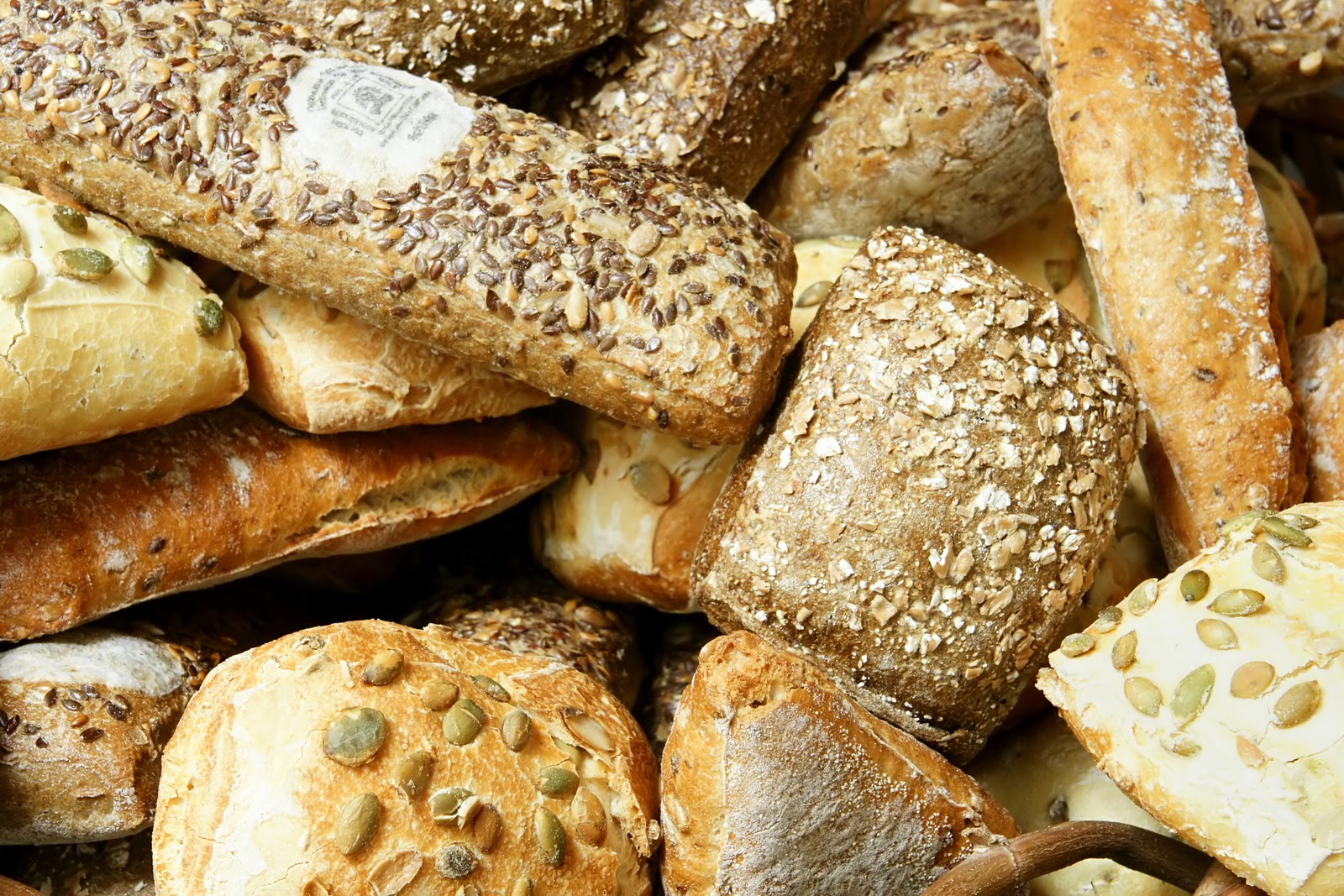
2. Choose whole grains over processed flour products. Replace your white bread and crackers with whole grains. Whole grain wheat bread contains fiber and many nutrients your body needs. You will feel more full after eating a whole grain bread than you do when you eat processed white bread. Have a bowl of whole grain oats or buckwheat cereal for breakfast. Whole grains contain the carbohydrates your body needs for energy. 
3. Drink more water. If you normally drink 2 sodas per day, replace one soda with a tall glass of water. Flavor water with fresh lemon or add some frozen fruit, such as blueberries or strawberries, to add natural sugars and flavor your water. Keep your body well hydrated. Your skin will look better and your organs will function more efficiently if your body is properly hydrated. 

Are You Ready for Home Based Boot Camp?

Photo Credit: Exey Panteleev CC-BY-2.0 2011
The cold winter weather can discourage even the most dedicated exercise enthusiasts. Snow, wind and cold rain can prevent you from your daily run or jog around the block. Bad weather is dangerous when it comes to driving or even walking to the gym. Don’t let cold, wet or snowy weather deter  you from exercising. You can continue your current exercise program or start a new exercise program right at home in your own living room. How about trying some boot camp exercises at home? You don’t need equipment and you don’t need to drive to the gym to get all the benefits of a home-based boot camp style exercise program. Start your day with 10 minutes of warm-up exercises. Drink a couple of 8 ounce glasses of water, eat a good breakfast with plenty of protein, whole grains and heart-healthy fats. Next, stretch your body and walk in place to prepare your mind and your body for a really intense home boot-camp style work out. Choose some strength and toning exercises that will work most of your major muscle groups and get moving!
Begin with some push-ups. Push-ups work your entire upper body, including your arms, neck, chest and shoulders. This is a great exercise to help you feel energized and ready to take on the world. Beginners should start with push-ups with the knees on the floor. Position your hands under your shoulders and rest your body weight on your knees and hands. Lower your upper body to within a few inches of the floor and the push straight up until your arms are completely extended. Keep your head and spine aligned in a straight line. When you get stronger, extend your legs and rest the weight of your lower body and legs on your toes. Do at least 20 push-ups each morning and another set of 20 in the evening. 
The bridge exercise will strengthen your abdominal muscles, your hip joints and muscles and your buttocks. Lie on the floor on your back with your knees bent. Place your feet flat on the floor and place your hands, palms down, by your sides. Squeeze your abs and lift your hips as high as possible. Hold the position for 10 seconds and then lower your body back to the floor. Repeat this exercise at least 20 times, if possible. 
One of the most effective exercises for your buttocks and hips is the squat. Beginners should hold on to a sturdy chair when performing squats. Those with more balance can stretch their arms out in front of their body or hold their arms relaxed at their sides. Keep your eyes forward and your spine in a straight line and slowly lower your body to a “seated” position by bending the knees. Hold this position for 5 to 10 seconds and then press upward with your legs until you are standing upright again. Do 20 repetitions each morning and again in the evening.  
Work in some high intensity aerobic exercises by marching in place or performing jumping jacks. Jump as high as you can for 10 minutes and then walk in place for another 10 minutes to cool down. Exercise for 10 minutes and then cool down by walking around or marching in place for 10 more minutes. When your heart rate returns to normal after a vigorous workout, stretch to relax. 

What To Do About Cellulite

At some point in their lives most women, and some men, will have to deal with cellulite. Cellulite is fat deposits in the skin which cause a dimpled appearance. Cellulite is not the same as other body fat that resides deeper in the body. Cellulite is not normally used by the body as an energy source making it next to impossible to get rid of. Short of surgery or expensive spa skin treatments, there isn’t much a woman can do about cellulite. She can reduce the appearance of cellulite by drinking plenty of water and engaging in aerobic exercise. Strength training can also help reduce the appearance of cellulite by increasing the size and definition of muscles. 
A diet rich in fiber and antioxidants can help reduce the amount of cellulite in the skin and improve skin appearance. Foods that nourish the skin cells includes eggs, peanut butter, olive oil, soy protein, nuts, fruits and  berries. Citrus fruit like oranges and grapefruit contain vitamins and minerals essential to healthy skin and other organs. Eat a variety of fruits and vegetables to help improve collagen production and keep your skin cells healthy.

Diet alone is not enough to reduce fat cells in the skin. You have to exercise to help reduce the appearance of cellulite. Most women who have had children will see some cellulite on their hips and thighs. The best exercises are those that tone and firm the muscles of the buttocks and thighs. Squats will strengthen your entire lower body, and especially your thighs and butt. The most effective way to perform a squat is to stand with your feet apart, about shoulder width, and then slowly lower your body by bending your knees until you reach a seated position. Slide your back down a wall or hold onto a sturdy chair for balance if you are a beginner.

Lunges strengthen your thighs, buttocks and back and can help reduce the appearance of cellulite in the thighs. Stand up straight with your feet comfortably apart, about hip-width. Place your hands on your hips for balance, and then step forward on one foot as far as you can while lowering your upper body straight down.  Keep your other foot planted flat on the floor. Return to a standing position and repeat the exercise on the other leg.

Performing bridges can help strengthen your back and increase muscle definition in your butt, thighs and abdomen. To do the bridge exercise, lie on your back and bend your knees placing your feet flat on the floor. Keep your knees apart about hip-width. Slowly lift your back off the floor beginning at your buttocks and moving upward until your hips and legs form a diagonal line from the knees to the shoulder. Hold the position for a few seconds, lower your body back to the floor slowly and then repeat the exercise.

There is no magic pill to help reduce cellulite. Creams and drug therapies have demonstrated some effectiveness, but the results are usually temporary improvement in the dimpled appearance of the skin. Surgery is an option, but should only be considered after thoughtful consultation with your doctor.

For more information about causes and treatment of cellulite, see:

WebMD, Can You Beat Cellulite?, by Collette Bouchez, reviewed by Cynthia Dennison Haines, MD, 2005

Tips to Keep Your Diet Resolution

You’ve made a New Year’s resolution to eat a healthy diet and to stay on it. Now what? Where do you begin and how do you keep your promise to yourself? First see your doctor for a complete physical. Find out if you have high blood pressure, are at risk for diabetes, have high cholesterol or any other health condition that should be addressed before starting a weight-loss program. Next, take advantage of support groups and supportive friends and family to help you stay the course and reach your weight-loss goals. A dietitian can help you plan meals. A personal trainer can help you to exercise safely and effectively to achieve your goals.
Photo Credit: Evan-Amos, PD
Clean out your refrigerator, your freezer and your pantry. Get rid high calorie fatty foods. Remove potato chips, French fries, ice cream, candy and cakes. Replace these foods with fruits, vegetables, low-fat yogurt , whole grains and nuts. It’s okay to treat yourself to a few potato chips from time to time, however if they are readily available you will be more likely to over-indulge which can undermine your weight-loss goals and make you feel guilty. Buy a healthy-diet cookbook and try some new recipes to add variety to your diet.
Start a food diary and write down everything you eat and drink every day. Also write down how much you consume. Carry your diary with you so that you don’t forget to log you meals and snacks. You will be more aware of the foods you eat. You are probably unaware of just how much food, drinks and snacks you consume on a daily basis. Being aware of your food intake can help you to monitor calories and manage your weight-loss plan. 
Drink a glass of water first thing in the morning and before every meal or snack. Water keeps your body hydrated. Water is essential for healthy organs and digestion. If plain water is too boring, try flavored waters and sugar-free sports drinks to help replenish water and electrolytes. 

Don’t skip breakfast. Eating a healthy breakfast of whole grains, fruits, eggs and low-fat milk can help jump start your metabolism to burn calories all day long. It’s okay to eat your favorite foods. You don’t have to deprive yourself of cookies or pizza. The key to managing your weight-loss program and staying on a diet is to limit the portions and frequency of treats. Buy pizza by the slice instead of a whole pie. Avoid buying a box of cookies or doughnuts and buy just one treat instead.

Trade pasta for vegetables as a side dish. Instead of a serving of macaroni and cheese try some delicious steamed broccoli or grilled mixed vegetables. Use light oils such as olive oil instead of butter to help flavor your foods. Leave the snacks in the pantry when you relax in front of the television. It’s easy to consume a bag of chips or a bowl of popcorn while watching the television. Keep a bowl of fruit or nuts on the table to satisfy your snack urge while enjoying your favorite television program.

Forget about losing weight over-night. You can lose one to two pounds each week by sticking to a healthy weight-loss diet and moderate exercise like walking. Set realistic goals for yourself. Don’t give up if you don’t see results right away. Losing weight takes time and commitment, but the results will be worth the effort.

For more information about healthy diets, see:

Mayo Clinic, Healthy Diets, 2011

Over-the-Counter Diet Pills: Do They Work?


Photo by Sage Ross, CC-BY-SA

Most of us have seen the late-night infomercials advertising a miracle diet pill that promises amazing weight-loss results with little or no effort. Before you use an over-the-counter diet pill, educate yourself about the ingredients, the actual effectiveness of the product and consult with your doctor. Diet pills that are sold over-the-counter are not subject to the same testing standards as prescription weight-loss pills. Diet pills can be sold with little proof of actual weight-loss. The safety of the pills are monitored by the Food and Drug Administration (FDA) after the product is placed on the market. The FDA recalls or bans diet pills that are dangerous after consumers use the product and report serious side effects. 

One popular diet pill is called a “fat trapper.” Fat trappers are made from the ground shells of shellfish like crabs that contain chitosan. Chitosan allegedly binds to fats in the digestive system and prevents your stomach and intestines from digesting and absorbing the fat. There is some evidence that chitosan prevents fat absorption, but the effect is minimal. Moreover, chitosan can prevent your body from absorbing nutrients that are fat-soluble. Fat-soluble nutrients include the essential vitamins A, D, E and K. If you intend to take an over-the-counter fat-blocker, see your doctor first and limit your use to less than 3 months.
Over-the-counter diet pills advertised as “fat burners” usually contain stimulants derived from herbs and a combination of ingredients like hydroxycitric acid, which is an appetite suppressant. Stimulants found in these pills often include caffeine and ephedrine combined with aspirin. Fat-burners can work when combined with a healthy diet and exercise, but there can be some serious side-effects. Caffeine can increase your heart rate. Ephedra may elevate your blood pressure to dangerous levels. You can lose weight by supplementing your diet and exercise program with a fat-burner, but there are health risks. Always consult your doctor before using an over-the-counter fat-burner diet pill. 
Most over-the-counter diet pills are expensive, the results are minimal and the side-effects can be serious. There is no magic pill that will help you reduce your weight and burn fat. Healthy eating habits, a balanced diet that includes vegetables and fruits and regular exercise are the essential elements to a healthy weight. 
For more information about diet pills, see:
WebMD, The Truth About Weight-Loss Pills, by Alison Palkhivala, reviewed by Gary D. Vogin, MD, 2001

Lose Belly Fat For Better Health

Belly fat builds up slowly over time and can have serious health consequences. Belly fat increases the risk of cardiovascular disease, cancer and stroke, especially in women. Fat deposits in the abdomen, especially deep visceral fat, can be difficult to lose. There is no quick fix. A healthy diet, low-fat foods, plenty of water and exercise can help reduce abdominal fat deposits. See your doctor for a check up and to discuss the health implications of excess belly fat. 
Begin to reduce belly fat by cutting back or cutting out processed foods. Processed foods typically contain higher levels of fats, sugar and sodium than fresh foods. Processed foods contain empty calories that are converted to fat and are typically stored in the abdomen, thighs and buttocks. Try to avoid foods that contain bleached white flour, corn syrup and processed white cane sugar. Choose fresh vegetables instead of processed canned vegetables. Don’t boil your fresh vegetables with salt and butter. Instead, steam vegetables to retain as many nutrients as possible. 
Drink a lot of water throughout the day. Start off with about 8 ounces of water first thing in the morning and then exercise for about 15 to 20 minutes one hour after a fiber-rich breakfast. Your metabolism slows during sleep. Healthy food, water and exercise can kick-start your metabolism to help you burn fat throughout the day. Exercise can help you lose belly fat and feel more energetic all day long. 
The bicycle is an easy, fat burning exercise that you can do at home to help you lose belly fat. Sit on the floor and bend your knees so that your feet are flat on the floor. Keep your spine straight and drop your shoulders slightly. Support your body by placing your palms on the floor on each side of your hips. Lift your feet off the floor and move your legs as if you are pedaling a bicycle forward. Do 20 to 30 repetitions and then reverse direction and pedal backwards. 
Photo Credit: Olli Niemitalo, Public Domain 2009 
When you finish your bicycle exercise, rest for 1 to 2 minutes by lying back on the floor with your knees bent and your feet flat on the floor. After resting, perform a few crunches to burn some more belly fat. From the resting position, lift your upper body off the floor using only your abdominal muscles. Lift your body as far off the floor as possible. Avoid the urge to lift your legs or use your hands to push yourself up. Do 20 crunches or more if you can. 
Rest 1 to 2 minutes on your back. When you are ready, tighten your abdominal muscles and prepare to do the scissors exercise. Lift both heels off the floor about 6 inches. Keep your hands on the floor at your side and your back straight. Slowly lift your right leg up about 12 inches while simultaneously lowering your left leg within 1 inch of the floor. Lower your right leg and then lift your left leg. Repeat this scissor motion for 20 or more repetitions.
Drink a tall glass of water after your exercise to hydrate your body. Remember to eat healthy snacks between meals and do not skip meals during the day. Lower the amount of fats you eat and walk as much as possible. 
For more information about health concerns and belly fat, see:

Start the Day Off Right!

Eating a healthy breakfast every day can help jump-start your metabolism, help you feel energized and give your body the nutrition it needs to start a busy day. The best way to lose weight is to keep your body burning calories instead of storing fat, so make sure you begin your day by eating something nutritious to fire up your metabolism for the whole day. If you skip breakfast, you miss out on a prime opportunity to boost your body’s calorie burning engine. If you are not eating breakfast, you may not be getting  all the nutrients your body needs to remain healthy. 

Remember, you have not eaten anything while you were sleeping. After 7 or 8 hours of sleep, your body needs food. Breakfast is essential to replenish your nutrient stores and stave off hunger, which can cause you to over-eat at lunch. Fasting by skipping breakfast can also increase your body’s insulin, which results in fat storage. Hunger can also tempt you to eat donuts or candy, which may temporarily stave off hunger pangs because they are loaded with sugar, but contain practically no vitamins and minerals. Avoid fast food breakfast sandwiches. Most are loaded with sodium, sugars, chemical preservatives and fat. 
Photo Credit: Parkerman & Christie CC-BY-2.0 2008
You will feel more energetic during the whole day if you eat a healthy breakfast of high fiber, high protein and low-fat foods. Oatmeal, whole wheat cereals, fruits like bananas, blueberries and strawberries and yogurt are high fiber foods that contain fewer calories than a bagel or a muffin. Multi-grain and whole grain cereals with low-fat milk, some fresh fruit such as bananas or strawberries and a cup of orange juice is low in calories, but packed with nutrients and fiber. Whole-grain waffles with fruit and low-fat sweeteners, such as natural corn syrup, provide energy and taste great.

For more information, see:
WebMD, Lose Weight: Eat Breakfast, by Jeanie Lerche Davis, reviewed by Louise Chang, MD, 2010

Understanding Metabolism

Your metabolism is the process of converting food into energy that is used by your body. Even when you are at rest and not exercising, your body is hard at work converting food and beverages into usable energy to keep your heart beating, keep you breathing, repairing damaged cells and tissue and making new cells.  The metabolic rate is how fast your body converts food and drink into energy by burning calories. Generally, the more muscle you have, the faster your metabolism. 
Photo Credit: Abhijit Tembhekar CC-BY-2.0, 2009
The foods you eat can have a direct impact on your metabolism and metabolic rate. High protein foods increase your metabolism, because it takes more energy to digest a high protein diet than a diet high in fats and carbohydrates. Other factors, such as age, gender and lifestyle also impact your metabolism. Women tend to have a slightly slower metabolism than men. Everyone’s metabolism slows down as we age. Those who do not engage in regular physical activity, like exercise, may have a slower metabolism. 
The thyroid gland, located in the front of the throat, controls almost ever aspect of metabolism. The thyroid produces hormones that speed up or slow down your metabolic rate and control whether your body stores fat. Hypothyroidism is a condition in which the thyroid does not produce enough of the metabolism-regulating hormones. This can lead to weight gain and other problems, some serious. Conditions of the thyroid gland should be treated by a doctor. If your thyroid gland is functioning normally, but you still can’t seem to lose weight, stimulating your metabolism by eating a healthy diet and regular exercise may help increase your metabolic rate so that your body burns fat for energy and builds muscle.
Starvation diets, fad diets and diet pills are not the answer to boosting your metabolic rate and reducing body fat. Depriving yourself of food can actually cause your metabolic rate to slow as your body responds to fewer nutrients. Starvation and fad diets can be very harmful to your health. Diet pills suppress your appetite and can cause you to eat less and less often, which is also harmful because your body is not going to get proper nutrition. Your metabolism may also slow down if you wait hours between meals. You can stimulate your metabolism by eating several smaller meals, including nutritious snacks throughout the day. Start with a healthy breakfast, some exercise like walking, a mid-morning snack and then a light lunch. Eat some fruit, granola, yogurt or other healthy snack in the afternoon. Eat a light snack, such as an apple or a salad, after dinner and drink plenty of water. Small meals throughout the day will stimulate your metabolism as your body must burn calories to digest food. 
In addition to eating healthy meals and snacks every few hours throughout the day, regular aerobic exercise can boost your metabolism. A brisk 30-minute walk in the morning and late afternoon or 30 minutes of aerobic exercise at the gym helps your body burn calories and fat stores. Strength training helps to build muscle and burn fat. Changes in your daily routine, like taking the stairs instead of the elevator or walking to work, can help you burn more calories and stimulate your metabolism. 

For more information, see:

Mayo Clinic, Metabolism and Weight Loss: How You Burn Calories, 2011

Mayo Clinic, Hypothyroidism, 2010