Exercise and Type 2 Diabetes

Photo Credit: Mr. Hyde PD
It is important to exercise if you have type 2 diabetes. Exercise can help control your weight and improve blood sugar control. It is critical, however, that you monitor your blood pressure and take precautions to avoid a rapid drop in or rise in blood sugar before, during and after exercise. Exercise with a friend who knows that you are a diabetic and knows what to do if you do experience a rapid increase or decrease in your blood sugar. Always wear a medical alert bracelet to alert others to your condition should you become unconscious. Most importantly, see your doctor for advice about exercise and talk about how or if you should adjust your diet or medication to prevent a sugar reaction. 

Keep a log of your blood sugar to help you understand how your body reacts to exercise. Check your blood sugar about 30 minutes before exercise and write it down in a small notebook. Log what you’ve had to eat throughout the day and before exercise, too. Test your blood sugar again just before you start to exercise and write it down. The second test will reveal whether your blood sugar is rising, falling or stable. Follow your doctor’s advice about stabilizing your blood sugar before exercising. Check your blood sugar again after exercise and write it down in your notebook. Exercise stimulates your muscles and liver to release stored sugar for energy. After exercise, your body will remove sugar from your blood to replace the stored sugar used during exercise. The more vigorous your exercise routine, the more sugar your body will use for energy. This means that your blood sugar levels will drop after exercise up to several hours later. You may need to eat a high-carbohydrate snack, such as fruit juice, some crackers or raw fruits.

For more information about exercise and diabetes, see:

Improve Your Weight Training

Photo Caption: Lance Cpl. Ronald W. Stauffer USMC PD
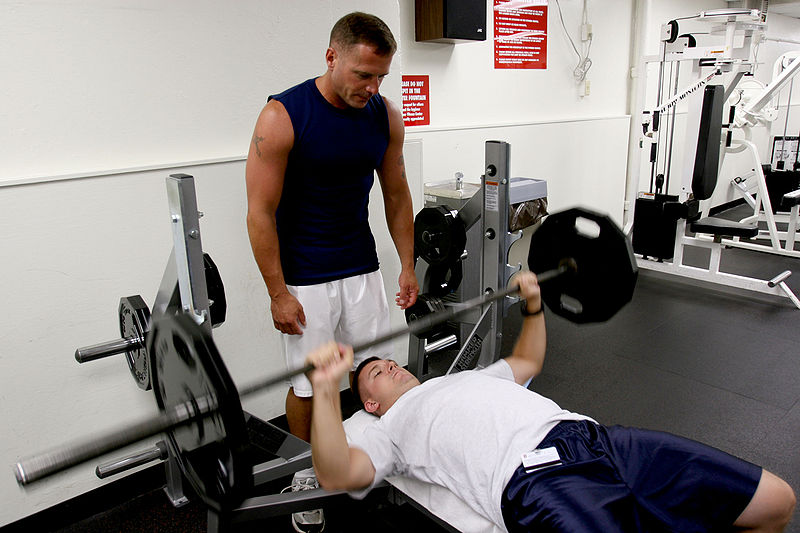
Weight training to strengthen muscles and burn fat should be a part of your exercise routine. You don’t have to be a bodybuilder to benefit from weight training. Done properly, weight training can help you to increase muscle strengthen, tone your muscles and burn body fat. Done incorrectly, you risk a strain injury or worse, a bone fracture. Don’t try to learn lifting techniques by watching people at the gym or watching an exercise DVD. Before picking up some dumbbells or grabbing a barbell, connect with a personal trainer who is knowledgeable about weight training. 
A fitness trainer can teach you the proper form for each lift. Improper form when lifting weights can result in injury and you won’t get the benefits of the lift. Begin with a light weight and establish good form when lifting. Gradually increase the amount of weight. It’s difficult to maintain good form when trying to lift too much weight. Lift the right amount of weight for your stage of physical development. Start with the lightest weight and lift it 15 times. Gradually increase the amount of weight you lift as your muscles get stronger. 
Don’t forget to breathe when lifting weights! Many people tend to hold their breath. If you hold your breath when straining to lift a weight it can cause your blood pressure to rise which can be dangerous. Breathe out when you lift and breath in when you lower the weight. 
Select a weight lifting routine that works your whole body for maximum fat burning and muscle toning benefits. Don’t exercise the same muscle group on consecutive days. Your muscles need one day of rest between exercise. You may choose to work all your major muscle groups with weights every other day or exercise daily working a different muscle group each day. A fitness expert can help you to develop a routine that works best for you. 

Sports Nutrition

Photo Credit: Master Sgt. Steve Miller USAF PD

Many people engage in sports activities, especially during the spring and summer months. Sports, such as golf, tennis, softball, basketball and baseball require strength, endurance and flexibility. Nutrition is a critical element of your fitness program. You have to eat to have the energy necessary to play 9 holes of golf or catch fly balls in the outfield. Sports nutrition often focuses on carbohydrates for energy. Professional athletes boost their performance by loading up on carbohydrates a couple of days before a competition. Protein is another important nutrient for strong muscles and repair of muscle tissue after vigorous sports. Whether you and your co-workers play softball on Saturdays or you play basketball with the kids after school, it’s important that you eat nutritious foods. 

Never skip breakfast. Your body has not had nutrition while you were sleeping and it will be low on energy stores. If you exercise without breakfast you may feel weak and dizzy. Plan to eat at least one to two hours prior to exercise. Fruit and whole grain cereals or whole wheat toast are good choices for breakfast. Slice some bananas or strawberries and add them to a bowl of whole grain cereal or oatmeal with low-fat vitamin-fortified milk. How much you eat will impact your performance. Eating too little can leave you feeling weak, but eating too much before exercise can also impact your performance. Try to avoid eating large meals right before a you play sports. Eat large meals at least 4 hours prior to physical activity. Small meals may be eaten as soon as two hours prior to sports exercise. If you eat too much too soon before exercise you may feel sleepy, sluggish or experience stomach upset. 
It’s important to eat after exercise to help repair your muscles and replace your body’s glycogen. Eat protein and carbohydrates after exercise. Drink fruit juices, eat a bagel with some low-fat cream cheese, have a snack of cheese and crackers, fruit, yogurt or a peanut butter sandwich. Don’t forget to drink plenty of water before, during and after exercise. 

Should I Exercise If I Have The Flu?

Photo Credit: mcfarlandmo CC-BY-2.0

Regular exercise combined with a healthy diet and sufficient sleep can help keep your immune system strong. Moderate exercise daily or at least every other day helps enhance your immune system’s flu-fighting power. To keep your immune system in peak condition and fighting off infections, try to get at least 30 minutes of aerobic exercise daily. Walking, riding a bicycle, running, jogging, swimming and dancing are  ideal ways to get in a challenging aerobic workout. But, should you continue to exercise if you do catch a cold or the flu?
If you do catch a cold or the flu, go easy on yourself. See your doctor before continuing your regular exercise routine. You  may be able to continue to exercise if you feel well enough, but do mild exercise instead of your moderate to vigorous routine. If you normally run for 30 minutes every day, walk for 20 minutes instead. Mild exercise can help relieve body aches and get your blood flowing to move the disease-fighting white blood cells through your system faster. Rest if you feel too ill to exercise. 
If you have a fever, you should not exercise. Fever is a sign that your body is trying to fight off an infection. Your body needs energy to fight the virus. Exercising can strain your immune system, which can exacerbate your symptoms and slow recovery. You can be susceptible to dehydration when suffering from a cold or the flu, so be sure to drink plenty of water. 

Workout With The Kids

Photo Credit: United States Navy Public Domain

Parents often have trouble finding time to exercise and care for their children. Infants and toddlers require constant care for stay-at-home parents. School age children keep parents shuttling them from one activity to the next. It can be tough to find time to exercise every day. The key to keeping fit with kids is to get fit with the kids. Involve your children in your fitness activities and parents get involved in their kids activities. With a little planning parents can find lots of things to do that are good exercise and fun for the kids.
Parents who are caring for a baby or a preschool toddler can take baby along on a walk or a jog. Invest in a sturdy jogging stroller and take baby along for the ride. Older children can go along for a bicycle ride in a child seat on the back of your bicycle. Don’t forget the helmets for both you and your child! Place your baby in a secure pack that straps to the front of your chest and take her along for your daily walk. The added weight will help you to burn more calories. Toddlers will enjoy activities when the parents are part of the action. Take your toddler to the park and push him on the swing or merry-go-round. This is a pretty good workout for your arms and your toddler will have fun. 
School-age children may enjoy skating or rollerblading in the local skate park. Go to a park that has monkey bars and race your child across the monkey bars. Have a contest to see who can do the most pull-ups on the bars. Play games like touch football, kickball, keep away, tag or softball. Go swimming together at the local pool or community center. Have a contest to see who can swim across the width of the pool the fastest. 
Fitness can be a great way for parents to stay connected with their teenagers. Play team sports with your teenager, such as doubles tennis, ping pong, volleyball, baseball or play one-on-one basketball. Volunteer to help coach your teen’s school sports team. Fitness video games are another way to connect with your teenager and get some exercise at the same time. Take part in a community walk to raise money for a charity. Remember to involve your teen in activities at home too, like yard work and gardening. 

Exercise to Reduce the Risk of Varicose Veins

Photo Credit: Voyeurproject CC-BY-SA-3.0

Varicose veins are large blood vessels visible just below the skin surface. Women are particularly susceptible to developing varicose veins, but people who stand long hours at work and people with a blood relative who has varicose veins are also at risk to develop varicose veins. Contrary to popular belief, crossing your legs does not contribute to or cause varicose veins. About 80% of those who develop varicose veins inherited the condition. There is no guaranteed way to prevent varicose veins, but you can reduce your risk with regular exercise. Exercise that strengthens the leg muscles and improves circulation is the best way to reduce your risk of developing varicose veins. 
Walking is the easiest way to exercise to develop strong leg muscles and improve your cardiovascular system, including vein strength. Walk daily for at least 15 to 30 minutes. Instead of taking the elevator or escalator, try walking a few flights of stairs every day. 
Elevating your legs and pumping them as if riding a bicycle will help to strengthen the leg muscles and improve circulation in the legs. Lie down on your back and lift your bottom off the floor a few inches with your palms under your buttocks. Pump your legs forward for 20 repetitions and then reverse for 20 repetitions.  Repeat this exercise daily. 
Leg lifts also help to improve blood flow and strengthen the leg muscles. Lie on your back and place your hands, palms down, on the floor on each side of your body. Lift one leg about 12 inches off the floor and hold your leg elevated for 5 seconds. Slowly lower your leg and then repeat with the other leg. Repeat 10 times on each side.

Diet Don’ts

Photo Credit: USDA PD

Obesity is a serious problem in the United States. Obesity rates are more than 30% of the population of some states and the problem appears to be growing. The increase in obesity rates has many people re-thinking their diet and fitness habits. Some may even take extreme measures to lose weight or to prevent weight gain. Extreme measures to control or lose weight can lead to serious health problems and are not advised. 
Don’t do extreme dieting. Extreme dieting is a common method employed by many people who want to quickly lose weight. Starvation diets, skipping meals, cutting entire food groups from the menu or relying on diet shakes for nutrition can result in malnutrition and loss of muscle mass. Your metabolism will also slow down, which  defeats your weight loss goal. The average person needs at least 1,200 calories every day to stay healthy.  Eat a variety of foods, including dairy, fruits and vegetables to get the nutrition you need and to avoid hunger. Avoid fad diets that limit the variety of foods you can eat or restrict your menu to only a few foods from one or two food categories. 
Don’t count on diet pills or shakes to help you lose weight. Diet products that promise you will lose tens of pounds in just few weeks are unlikely to live up to this claim and may actually harm your health. Most diet pills are a combination of diuretics and caffeine, which cause you to lose water and can result in dehydration. Overuse of diet pills can result in electrolyte imbalance, too. 
Over-the-counter diet pills may not appear to be dangerous , but they can still cause harm. “Most diet pills are nothing more than a quick fix loaded with caffeine and diuretics that can lead to dehydration and electrolyte imbalance,” says Diekman, director of nutrition at Washington University in St. Louis. Diet supplements and over-the-counter diet pills do not receive the same level of scrutiny by the Food and Drug Administration as prescription drugs, so their safety and effectiveness is not assured. 

Don’t do colon cleanses or detox programs. Colon cleanses can cause you to lose some weight initially due to water loss and the complete emptying of the bowel. Water loss from colon cleanses can cause dehydration. Detoxing your body by drinking only juice or water for days can lead to a lack of nutrients, decreased metabolism and may cause other health problems. It’s best to drink lots of water and eat a high-fiber diet every day. 
Don’t purge. Purging, like vomiting or using laxatives are unsafe and can lead to serious, sometimes life-threatening, health problems. When you force yourself to vomit shortly after eating, strong stomach acids can cause erosion in the lining of the mouth and esophagus. Tooth enamel is also damaged by stomach acids. Purging can lead to the severe eating disorder bulimia. 

Are You Undoing Your Diet With Beverages?

Photo Credit: USDA PD

Cutting back on calories and exercising more are essential to losing weight and getting fit. If you are eating less and exercising more but you aren’t losing weight as fast as you think you should be, examine your beverages. Most of us are careful about the foods we eat, but beverages can undo your diet, too. Some beverages can ruin your diet by adding empty calories, which can be stored as fat. It may seem obvious to switch to diet soda or drink sugar-free beverages, but other drinks can be just as diet-destroying as sugary sodas. 
A bottle of fruit juice may contain as many calories as a regular soda. The trade-off is that fruit juice is rich in nutrients that your body needs. Fruit “drinks” and fruit “cocktails” often contain as little as 10% real fruit juice. Select only 100% fruit juices without added sugar. Vegetables juices are as nutritious as fruit juice but contain about half the calories. The trade-off with vegetable juice is, instead of sugar, vegetable juices often contain a lot of sodium. Look for low-sodium or no-added-salt versions of your favorite vegetable juice. Read the label on your favorite juice drink to find a blend that does not contain extra sugar or salt. 
A cool smoothie seems like it would be low in calories and high in nutrition, but this is not always the case. Restaurants may use honey, corn syrup or even ice cream to sweeten a fruit smoothie and send your caloric intake through the roof. Your best option is to blend your own smoothies at home so that you control the ingredients to avoid extra sugar and empty calories. Blend some blueberries, a banana and some strawberries with skim milk for a delicious, low-calorie, high fiber, nutritious beverage. 
Plain coffee contains zero calories and has antioxidants that are beneficial. When you add whipped cream, flavored syrups and sugar you have a diet bomb in a cup. Specialty and fancy coffee drinks can contain almost 600 calories per cup. If you don’t like plain coffee, use low-calorie flavorings and artificial sweeteners to avoid extra calories. Green tea is another zero calorie drink to consider. Water is the best choice to stay hydrated and cut calories. Drink a couple of glasses of water before dinner to help you feel more full to avoid over-eating. 

Social Fitness

Photo Credit: www.localfitness.com.au
Do you exercise alone at home or at the gym? Sometimes belonging to a group of like-minded people can be a great motivator. Friendly competitions or simply sharing time with others can make exercise more enjoyable, strengthen friendships and increase your social circle. How can you engage your current friends and find new friends through exercise? Here are a few tips to help you get started:
Communities across the USA are starting walking groups. Join a local walking group to make new friends. Start your own walking group if you can’t find one in your area. Recruit current friends, family and co-workers. Encourage them to bring someone with them, too. Schedule walks when the most people can join in the fun and exercise. Choose start locations that are convenient to the majority of the group and have fun!
Take a dance class for the aerobic exercise and to make new friends. Dancing, like ballroom dancing or Salsa dancing, is a low-impact form of exercise that is effective and fun! You can probably find a dance class close to your home. You don’t have to have a dance partner to join a class. There are almost always partners ready to dance with you. Line dancing is a popular dance style and doesn’t require a partner. You’re sure to make new friends and get a good workout at a dance class. 
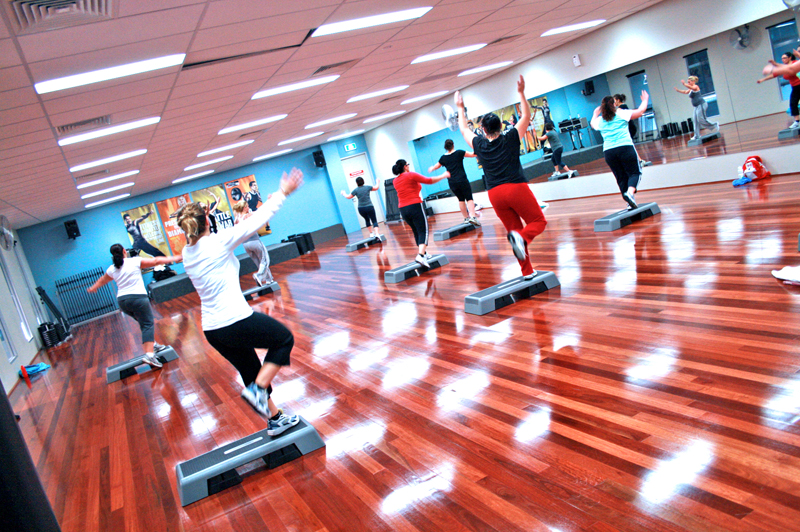
Most gyms offer group exercise opportunities, such as yoga, martial arts, Pilates and dance aerobics classes.  Join an exercise group at your local fitness center or gym to make friends and get fit at the same time. Those who need a more personal touch when it comes to exercise may consider a small-group exercise class offered by certified personal trainers. Personal trainers sometimes offer group training with 10 or fewer participants in the group. 

"Barefoot" Running Shoes?

Photo Credit: Aleser PD

One of the fastest growing trends in running shoes is the minimalist or “barefoot” shoe. These shoes have been flying off the shelves of exercise and fitness stores across the United States. The shoes are designed with a minimum of amount of material between the runner’s foot and the ground in order to mimic running in bare feet. The risk of injury is high for barefoot runners due to scrapes, cuts and bruises from the high-impact on runners’ feet. Minimalist running shoes provide little support, but can protect the feet from injury.  Do these shoes actually help you get more from exercise value from your run? 
Manufacturers of these shoes claim that barefoot runners tend to land each step near the balls of their feet near the big toe instead of on the heel as runners wearing regular shoes. Landing each step on the ball of the foot reduces the impact on the feet and legs. The American Council on Exercise (ACE) exercise physiologist Pete McCall recommends minimalist running shoes that mimic barefoot running because the foot has better contact with the ground. According to McCall, regular running shoes have an elevated heel that can interfere with balance. Wearing minimalist running shoes during your walk or run may also increase the dexterity of your feet and toes. ACE sought the assistance of a team of researchers from the University of Wisconsin, La Crosse to conduct a study of the effectiveness of the barefoot shoes. A group of casual joggers were given a pair of barefoot shoes which they used for 20 minutes three times each week for 2 weeks. At the end of the trial period, about 1/2 of the subjects had changed from the common heel-strike style of running to landing on or near the balls of their feet. 
The bottom line on bare-foot style running shoes is that they provide no cushioning for heel-strike runners  who should either not wear the shoes or change their running style to a toe-strike gait. Heel-strike runners risk injury to the feet and legs if they run or jog in minimalist style shoes. Be prepared to change the way you run if you want to try a pair of these shoes.