Rotator Cuff Rehabilitation Exercises

Photo Credit: GTindy CC-BY-SA-3.0 2002

A rotator cuff shoulder injury is painful and may require rehabilitation exercise to repair and heal the injury. Symptoms of an injured rotator cuff include pain, joint stiffness and weakness. See a doctor immediately if you suspect you have injured your rotator cuff and follow her advice for treatment of the injury. Exercise can help heal an injured rotator cuff, but do not perform any rehabilitation exercises except under the supervision and with the approval of your doctor. You can strengthen and improve your rotator cuff to rehabilitate an injury and to lessen the risk of future injury by doing stretching and strengthening exercises. 
Stretching exercises increase the range-of-motion and restore flexibility to a stiff shoulder joint. An over-head stretch is easy to do. Stand up straight in front of a sturdy, stable chair with the back of the chair facing you. Bend forward at the waist and bend  your knees slightly. Reach forward with your arms straight and grasp the back of the chair. Look at the floor with your head between your arms and lower your body until you feel your shoulders stretch. Hold the stretch for 30 seconds and then stand up using a smooth motion. Repeat this exercise 2 times each day and increase to 4 times each day as your flexibility improves.  

Another effective rotator cuff flexibility exercise is a behind-the-back shoulder stretch. Reach behind your back with one arm and grasp the injured arm at the wrist. Pull the injured arm up gently to stretch the shoulder joint and increase flexibility of the rotator cuff. A variation of this exercise is to hold a towel behind your back. Hold the towel at shoulder level with your unaffected arm and grasp the towel behind your back with your injured arm. Gently pull the towel up to stretch your shoulder. Hold the stretch for about 30 seconds and then relax. Repeat the exercise twice each day. 
It is important to increase the strength of your shoulder and rotator cuff to help avoid injury or re-injury. Isometric exercises are a good way to build strength without moving the joint. Stand about 6 inches from a wall, facing the wall. Hold your injured arm close to your body and make a fist with your thumb over your fingers. Bend your elbow and press your fist against the wall. Try to keep your body stationary as you press your fist against the wall. Don’t push with all your strength, but push until you feel your muscles begin to contract. Hold the position for about 5 seconds and repeat the exercise 10 times each day. As you grow stronger, push against the wall harder and hold the position longer.
Continue doing rehabilitative exercises as directed by your doctor, even if your shoulder feels better and you are no longer experiencing pain. Shoulder stretching and strengthening exercises are important even if you don’t have an injury to increase your shoulder strength and avoid injury. 

Skip Meat One Day Each Week

Photo Credit: Public Domain

The USDA and nutrition experts extol the health benefits of eating more vegetables, fruits and grains. Plant fiber, protein and nutrients are healthy for you. Lean red meat, fish and poultry are good sources of protein that your body needs, but they aren’t the only source of protein. Vegetarians and vegans do not eat meat and are still healthy and energetic because they get their energy from plant sugars, proteins and plant nutrients. People who eat less meat or no meat have a lower risk of cardiovascular disease and weigh less than meat eaters. You can still maintain a healthy body and weight if you enjoy meat and other animal products, like milk, eggs and cheese. Eating less meat, especially beef and pork, and eating more fruits, vegetables and grains while exercising regularly can help lower cholesterol, reduce body fat and help you feel better. You don’t have to stop eating meat altogether to lose weight and lower your cholesterol. One way to reduce the amount of meat in your diet is to skip meat one or two days each week. When you do eat meat, it should not be more than 1/4 of your total meal. One-half of your meal should be fruits and vegetables. The remaining 1/4 of your total meal should be whole grains, like wheat, rice or barley. 
Choose one day each week and vow to not eat meat that day. Plan ahead and shop for meatless plant- based food alternatives for every meal that day. Skip the sausage links, bacon and eggs. Instead, start your meatless day with a bowl of hot whole grain oatmeal, fruit, juice and low-fat milk. A bowl of whole grain cereal without added sugar, orange juice and low-fat or skim milk is a nutritious way to start your day. Add some blueberries, strawberries or sliced banana to your cereal for natural sweetness and extra vitamins and minerals. Have a mid-morning snack of fresh fruit, nuts or whole-grain crackers and low-fat cheeses to avoid hunger and over-eating at lunch time. Beans contain an abundant source of plant protein, fiber and vitamins. Have a bean salad, bean soup or a vegetarian refried bean taco or burrito for lunch. Put some lettuce, chopped tomatoes and shredded carrots on your taco or burrito to add flavor and nutrition. If you use sour cream, opt for a low-fat, vitamin fortified brand.   

Munch on some apples or orange slices mid-afternoon for a boost of energy. Replace meat at dinner with tofu. Chop tofu into cubes and stir fry with vegetable. Flavor with low-sodium soy for a tasty meal. Use olive oil or vegetable oils in meal preparation and avoid butter and solid fats. Pea soup, meatless lasagna and vegetarian spaghetti are also tasty ways to enjoy vegetables and go meatless. Slice zucchini or squash and layer it with low-fat cheeses, tomato-based sauce and whole grain lasagna noodles. Add some mushroom and chopped tofu to spaghetti sauce for extra flavor and plant proteins. 

Making Sense of USDA Dietary Guidelines

Photo Credit: Garitzko Public Domain
The dietary guidelines for Americans, as recommended by the USDA includes some important recommendations to eat more of some foods and to reduce consumption of salt, fat and sugars. The guidelines are not strict rules for eating, but recommendations about how to improve your health by making wise food choices. Because so many Americans do not eat a variety of foods, nutritional deficits in fiber, calcium, vitamin D and potassium are too low and a public health concern. Many Americans are over-weight, especially children. A balanced diet of fruits, vegetables, lean meats and fish, fiber from whole grains, beans and rice can help combat obesity and disease. The goal of dietary guidelines is to help Americans make wise food choices for improved health. 
The USDA recommends that Americans eat more plants. Fruits, vegetables and whole grains contain essential nutrients for a healthy body. Vegetables and fruits may help reduce the risk of chronic disease like diabetes, cardiovascular disease and even some cancers. Vegetables and fruits contain important trace elements, such as magnesium, potassium, fiber, folates and vitamins. It is recommended that an adult eat at least 2 1/2 cups of vegetables and fruits every day. One way to increase the amount of fruits and vegetables in your diet is to trade chips and cookies for fresh fruits and vegetables. Snack on apples, pears and strawberries instead of popcorn or chips. Vegetable and fruit juices are another way to increase your daily intake. Make sure to read the label and buy only juices that are 100% fruit and vegetable juices without added sugar or salt. 
The USDA recommends that Americans cut back on refined grains like white bread, sugar, salt and solid fats. Processed foods are convenient, but they may not meet all your nutritional needs. The calorie-to-nutrient ratio in most processed foods is not balanced, meaning that the foods are high in calories with low nutritional value. Excess salt can contribute to high blood pressure, especially for a person who has a potassium deficiency. Processed foods, canned foods and ready-to-eat heat and serve meals often contain excess salt and added sugars. The USDA recommends limiting sodium to no more than 2,300 milligrams per day. Older people and those at risk for high blood pressure and diabetes should limit salt to about 1,500 milligrams per day. 

According to the USDA, solid fats and sugars account for as much as 35% of the average person’s daily caloric intake. One of the easiest ways to reduce the amount of solid fats and sugar in your diet is to avoid refined grain foods and to use vegetables oil and olive oil in place of fats like butter. Cutting back on fats, trans fats and sugars can also help reduce cholesterol levels. 
For more information and explanation of dietary guidelines, see:
United States Department of Agriculture, 2010 Dietary Guidelines

Important Nutrients For Good Health

Photo Credit: Kander Public Domain

Many Americans do not get enough vitamins and minerals in their diet. According to a study in the Journal of Nutrition, 25% do not get enough Vitamin C, 70% do not get enough Vitamin D, 60% do not get enough Vitamin E. Trace elements, such as potassium and magnesium, are also lacking in the American diet. These nutrients are essential for good health. Supplements can help, but the best source of vitamins and minerals is food. Fruits, vegetables, nuts, lean meats, fish and grains contain nutrients that your body needs everyday. Eat a balanced diet by including nutrient-rich foods. A nutrition consultant can help you create a diet plan so that you get all the nutrients you need from the foods you eat. A healthy diet of foods rich in vitamins and minerals have important health benefits including lower blood pressure, combat osteoporosis, healthy heart and improved mood.
Potassium is an important nutrient to help maintain a lower blood pressure, healthy muscles and nerves. Potassium is found in foods like potatoes, bananas, dry beans, avocados and dairy products like milk, cheese and yogurt. Magnesium also helps maintain a healthy blood pressure, promote bone health and healthy heart muscle. Magnesium deficiency can cause muscle cramps. Beans, peas, nuts and grains are rich in magnesium. Fiber helps to promote a healthy digestive system and may lower your risk of heart disease and diabetes. Fiber is also an important part of any weight-loss diet. Foods that are high in fiber include beans, whole grains, nuts, fruits, carrots, artichokes and corn.
Vitamin A is an important nutrient for a healthy immune system and eye health. The two types of vitamin A are beta-carotene and retinol. Foods loaded with this important nutrient include carrots, squash, sweet potatoes, broccoli and spinach. You can get enough vitamin A by adding yellow and dark green vegetables to your diet. Vitamin D is essential for strong, healthy bones and muscles. Your body can make small amounts of vitamin D by exposure to sunlight, but you need to eat foods rich in this nutrient to make sure you get enough vitamin D for a healthy body. Almost everyone knows milk and cheeses contain vitamin D, but the nutrient is also found in salmon, mackerel, liver, eggs and in mushrooms.  Vitamin C is important not only for a healthy immune system, but also for healthy cells. Vitamin C is an antioxidant that helps to remove free radicals from the body. This vitamin is found in citrus fruits, juices and vegetables. 

Gluten Free Substitutes

Photo Credit: Agricultural Research Service Publid Domain

Gluten is a type of protein found in wheat, barley and rye grains. Some people are allergic to gluten or suffer from celiac disease. Celiac disease causes inflammation and injury to the intestines when the sufferer eats any foods containing gluten. A person on a gluten-free diet must avoid wheat, barley and rye, even in small amounts. It isn’t easy to avoid gluten. Grains are a common ingredient in many types of foods. Learn to read the labels and avoid illness caused by gluten in processed foods. 
A gluten-free diet means no more wheat, barley and rye bread, muffins, hamburger buns, bagels, croissants, pie crusts and pizza breads. Rice and potato flour alternatives are available at most health food stores and some major supermarkets. It is important to read the label to make sure that rice and potato flour foods do not contain gluten. Rice cakes, corn chips and popcorn are a healthy and safe alternative to wheat crackers and snacks. Rice or potatoes can substitute for breads at meals. In place of wheat pasta, select rice noodles instead. Gluten-free spaghetti and other pasta noodles can be found at health food stores.

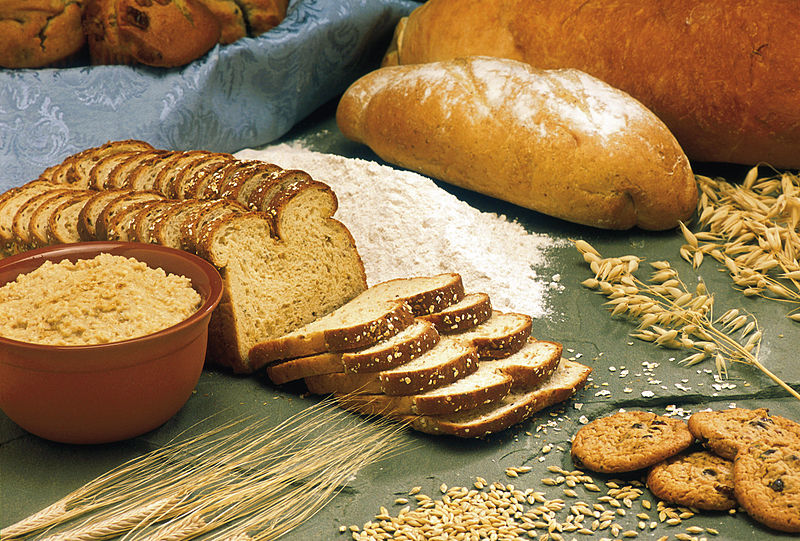
You will probably have to give up your favorite box of breakfast cereal if you develop a gluten allergy, or if you are diagnosed with celiac disease. Most breakfast cereals are made with wheat, barley, rye or the malt and starch from these grains. Hot wheat cereal is definitely off the menu. Rice and corn-based cereal should be safe, but make sure to read the label to ensure that your cereal is 100% gluten-free. Cookies, cakes and pie crust made with wheat flour are definitely out. Select only 100% gluten-free alternatives, which are often available at supermarkets and health food stores.  

For more information about a gluten-free diet and celiac disease, see:

Get Fit & Save Money

Photo Credit: www.spreadfilms.de CC-BY-SA-3.0

Health club dues, gym memberships and exercise class fees can be expensive. Exercise equipment, such as treadmills, step machines and exercise bikes can costs hundreds of dollars. Getting fit doesn’t have to be expensive. There are many ways to get fit and save some money on exercise equipment and membership fees.  
Shop at discount stores and large department stores for quality exercise equipment that won’t break the bank. Buying used exercise equipment is another option. Some exercise and sporting goods stores offer reconditioned, refurbished and used exercise equipment at discounts. Shop online and compare prices. When shopping online for any product, make sure to check out the seller for reliability and trustworthiness. There will probably be some shipping costs involved for online purchases, so take shipping into account when comparing costs.
If you can’t afford a full set of free weights and a weight bench, opt for a set of adjustable dumbbells. Adjustable dumbbells are less expensive than a full set of free weights and you can add or subtract the amount of weight depending on your strength, endurance and the kind of exercise you want to do. A cheap way to make your own hand weights is to recycle milk jugs and juice containers. Fill them with water and lift them using the handle on the jug. 
Save money on exercise classes by using DVDs at home. Many movie rental store carry a wide variety of exercise DVDs including dance aerobics, yoga, tai chi and strength training exercises. You can buy exercise DVDs almost anywhere movies are available for sale. Your local library may also lend exercise DVDs. Check with your library’s media center for titles. You can also invite a friend or two to split the cost of a set of exercise DVDs and share or work out together. Community centers and organizations like the YMCA offer low cost programs and memberships. Dance classes are an excellent way to get in shape. Check with your local community center for programs and costs. The YMCA has a wide variety of fitness programs and many YMCA centers provide an indoor swimming pool, basketball courts, ping pong and weight rooms. The cost is less than a gym membership and family plans are often available. 
The best exercise will cost you no money. Walking, bicycling, jogging and exercising at home doing push-ups, sit-ups, crunches and lunges will help you get in shape without spending money.  If you need help putting together a fitness program, a personal fitness trainer can help you design your own unique workout.

Natural Sources of Antioxidants

Photo Credit: Dimitar Nikolov CC-BY-2.0 2012

Waste products produced by cells include unstable molecules called “free radicals,” which can cause cell damage. Free radicals are produced when the body breaks down food and from exposure to environmental contaminants, such as tobacco smoke and pesticides. Antioxidants help remove free radicals from the cells. Fruits and vegetables are rich in antioxidant nutrients. Antioxidants are also found in nuts, beans and whole grains. Vitamins C and E are also antioxidants. Other nutrients that help remove free radicals from the body include  anthocyanins, beta-carotene, catechins, coenzyme Q10, flavonoids, lipoic acid, lutein, lycopene and  selenium. People who eat a balanced diet that includes antioxidant rich foods should get enough of the nutrients to help prevent cell damage from free radicals. Eat a diet rich in vitamins A, C and E to be sure you get enough antioxidant nutrients. 
The best sources of natural antioxidants are berries. Blackberries, raspberries, cranberries, strawberries and blueberries are high in antioxidants and other vitamins and minerals. Red beans, black beans and pinto beans are abundant in fiber, plant proteins and antioxidants. Avocados, cherries and plums are also a good source of free radical fighting nutrients. The skin of apples and pears contains many nutrients and antioxidants. Wash apples and pears thoroughly to remove pesticide residue and eat the fruit with the skin for maximum nutritional benefit. 

Vegetables are also a good source of antioxidant nutrients and vitamins. Broccoli, artichokes, spinach and red potatoes are rich in nutrients to help fight cell damage, as are sweet potatoes and red cabbage. Be careful not to over-cook vegetables. Cooking may break down natural antioxidant nutrients and lessen their effectiveness at removing free radicals from your body. Steamed, grilled and sauteed vegetables are not only delicious, but nutritious. Raw vegetables in salads is an excellent way to get your vegetable nutrition.  

Spices and herbs, such as ground cloves, cinnamon and ginger, dried oregano leaf and turmeric powder are all good sources of natural antioxidants. Green tea, coffee, red wine and pomegranate juice have high levels of antioxidants. 
For more information about antioxidant supplements, see:

National Center for Complementary and Alternative Medicine, Antioxidant Supplements for Health: An Introduction

Tighten and Tone Your Face and Neck

Photo Credit: Erifyli TsavdariCC-BY-2.0 2006
Gravity and aging can take a toll on your face and neck. The muscles of your face and neck are just like any other muscles. If you don’t exercise these muscles, they will become weak and you can lose muscle tissue. Tightening and toning the muscles of the face and neck can help reduce the effects of aging and help you look and feel a little younger. People whose cheeks and jowls are sagging can help reduce the saggy appearance by doing some face and neck exercises. These exercises can be performed any time, while watching television, sitting at your desk at work or just about anywhere. 
Sit in a comfortable chair with your back straight. Drop your shoulders a bit and pull your shoulder blades back so that your spine is straight. Look straight ahead and press your chin forward. Squeeze your lips together and then lower your jaw and push your jaw forward. Hold this position for about 10 seconds and then relax. Repeat this exercise 5 times. This exercise will help strengthen and tone the muscles of your lower jaw and neck. 
While still sitting upright in your chair, tilt your head back. Keep your mouth closed, but not tightly. Move your lower jaw in a chewing motion left to right 10 times and then reverse and move your jaw right to left 10 times. Relax and rest for a few seconds if your jaw gets tired. Do 3 to 5 sets of 20 chewing exercises each day. Stretch  your neck muscles by tilting your head back and look at the ceiling. Thrust your lower jaw forward slightly and cover your upper lip with your lower lip. Hold the stretch for about 5 seconds and then relax. Repeat this stretch 10 times each day. 
Lie on your back on the bed with your head hanging over the edge. Slowly and smoothly raise your head until your spine is straight. Hold the straight position for 10 seconds and then slowly relax and lower your head back to the start position. Repeat this exercise 5 times each day.

Are Empty Calorie Foods Undermining Nutrition?

Photo Credit: LittleGun  CC-BY-SA-3.0 2011
When you consume food, you expect it to provide energy and nutrition. The energy content of food is measured in calories. Some foods are high in energy, but low in nutrition. Low nutritional value but high calorie foods are said to contain empty calories. Foods and snacks that are high in fat and sugar provide energy, but do not provide the vitamins and minerals your body needs to stay healthy. Most of the processed foods and drinks in the American diet contain empty calories. Solid fats and added sugars increase the caloric content of foods without adding any nutritional value. People who consume too many empty calories and who do not exercise regularly may be overweight and still suffer vitamin or mineral deficiencies in their diet. Even if a person is exercising and burning as many or more calories than they consume, they may appear lean and healthy but still be at risk for vitamin and mineral deficiency-related illness. Always eat a balanced diet that includes fresh fruits, vegetables, nuts, grains, plant protein and lean meats and fish. 
Foods that have low nutritional value but high calories include butter, animal fats and shortening. Processed foods that contain these solid fats have a higher calorie to nutrient ratio than fresh foods. Foods with added sugars are also higher in calories than they are in nutrients. Foods that contain the most empty calories include cakes, donuts, cookies, pies and other pastries. Sweet snacks and deserts usually have both added sugars and solid fats. Sodas, fruit drinks that are not 100% natural juice and energy drinks often contain added sugar.  Processed meats, such as hot dogs, sausage and ground beef are high in calories due to the solid fats contained in the food. Bacon is mostly solid fat. Even some ice cream has solid fat added to make it creamy. White bread and margarine contain highly processed ingredients and more calories than nutrients. Get the most from your calories by eating foods that are also nutritious.

For more information about calories and balancing your caloric intake, see:
Centers for Disease Control and Prevention, Balancing Calories

Say Goodbye to Bat Wings

Photo Credit: Sergio Savarese CC-BY-2.0 2004

Rapid weight-loss and aging can often result in loose skin. One of the most difficult areas to firm up is the back of the arm. Exercising the triceps muscle on the back of the arm can help get rid of those flabby upper arms that many people call “bat wings.” Start now with regular triceps exercises to rid yourself of flabby arms in time for short sleeve spring clothing. You will need some elastic exercise bands and a set of 2 pound to 5 pound dumbbells. See a doctor before beginning arm exercises if you have joint problems, such as arthritis, hand injury or an injured rotator cuff in the shoulder. Start slowly and rest a full day between exercising your arms. You may experience some muscle soreness after the first day or two of exercise, but this is normal. Stop exercising if you experience pain or notice any swelling and see a doctor. Pain is an indication of injury. To avoid injury and excess muscle soreness, seek the guidance of a personal fitness trainer and start slowly. 
Dumbbell tricep extensions can be done while sitting or standing. Grasp a dumbbell with both hands. Raise your arms over your head and then bend your elbows to lower the dumbbell behind your head. Lower the dumbbell until you feel your triceps muscle begin to stretch. Hold this position for 5 seconds and then bring the dumbbell up over your head again. Hold it for 3 seconds and then repeat the exercise by lowering the dumbbell behind your head again. Do a set of 5 to 10 repetitions. Stop when your arms begin to feel weak. 
Use a chair or a bench to perform triceps dips. Stand in front of a sturdy chair or an exercise bench. Turn your back to the chair and lower your body to place your hands, palms down on the seat of the chair or bench. Your fingers should be facing forward. Bend your knees until your legs are perpendicular to the floor at a 90 degree angle. Keep your elbows close to your body and bend your elbows as you lower your body.. You should feel your tricep muscles tighten. Hold the position for a 5 to 10 seconds. Straighten your elbows to raise your body up and hold for another 5 to 10 seconds. 
The traditional push-up is one of the most effective exercises for the tricep muscles. It also works your abdominal muscles, your chest, back, shoulders, legs and glutes. Beginners should do push-ups with their knees on the floor instead of stretching out their legs. Rest your weight on your knees and hands. Straighten your body so that your head, neck and back form a straight line. Place your palms under your shoulders with your fingers pointing forward. Slowly lower your upper body toward the floor by bending your elbows. Lower your body until your face is about 2 to 3 inches off the floor or as low as you can comfortably go. Hold the position for 2 seconds and then straighten your elbows to push your body back up.