Too Much Salt In Your Diet?

Photo Credit: Dubravko Sorić CC-BY-2.0

Sodium, or salt, is an essential nutrient. Your body needs a small amount of salt to maintain fluid balance and help transmit electrical signals through the nerves. Salt is also necessary for proper muscle function. Some table salt also contains trace amounts of iodine which is necessary for a healthy thyroid gland. Salt is added to processed food as a preservative. The growth of yeast, mold and bacteria are inhibited by the addition of sodium chloride (salt) to processed food during preparation. Many people add salt to their food during or after cooking to enhance flavor. People who eat some processed foods, such as canned soups or frozen meals, may be getting too much salt if they add more before eating. The USDA 2010 Dietary Guidelines for Americans recommends about 1/4 teaspoon of salt daily for healthy adults and children, or less than 2,300 milligrams per day.
People with hypertension, high blood pressure, kidney problems and those who want to cut down on their salt intake can take some steps to eat a healthy diet without additional salt. Eat more fresh foods, like whole grains, fish, lean meats, fruits and vegetables. Avoid canned and frozen processed foods or choose processed foods labeled “low” or “reduced” sodium. Foods labeled “no salt added” are also good choices to help reduce salt in your diet. Condiments, including mustard, ketchup and salad dressings, are usually high in sodium. Use condiments sparingly or use low-sodium alternatives. 
Avoid adding salt to your food before you eat it. Use herbs and spices instead of salt to enhance the flavor of foods. You can omit salt from most recipes when cooking. You can also reduce salt in your diet when eating at a restaurant by ordering from the heart-healthy menu or choosing low-sodium options. Request sodium-free or low-sodium salad dressings and sauces for your food. 

For more information about sodium in your diet, see:
Mayo Clinic, Sodium: How to Tame Your Salt Habit Now

Plank Workout

Photo Credit: J. Vílchez PD
The plank exercise is a great way to strengthen your upper body, improve muscular endurance and strengthen and tone your muscles. You don’t need equipment to do planks. You can perform plank exercises on the floor of your home, outside on level ground or at the gym. Planks can be incorporated into a total body workout program to help tone your abs, glutes, chest, back and legs.
Begin the side plank exercise by stretching out on the floor on your right side. Stretch your legs out straight and place the left leg on top of your right leg. Bend your right elbow and and place your forearm under your upper body. Make sure you keep your elbow directly under your shoulder. Bend your right knee, but keep your left leg straight. Keep the weight of your lower body on the side of your left foot on the floor. Straighten your body so that it forms a straight line from your neck to the heel of your left foot. Breathe out and tighten your abdominal muscles. Lift your body off the floor using your right forearm. Support your body weight with your forearm and your left foot. Hold the position for a few seconds and then breathe in as you lower your body back to the floor. The longer you can hold the raised position, the more intense the side plank workout. Repeat this exercise 3 to 5 times for each side. 

The front plank is a little easier to do than the side plank. Lie on the floor on your stomach and place your elbows under your shoulders with forearms close to your body. Point your fingers forward. Keep your legs close together and hold the weight of your lower body on your toes. Squeeze your abdominal muscles and lift your entire body off the floor using your forearms. Keep your spine in a straight line from your neck to your heels. Your body should be rigid and all of your muscles tight. Hold this position for at least 5 seconds and then relax and lower your body back to the floor. Perform more repetitions or hold the plank position longer as your strength improves. 

Exercise While Pregnant

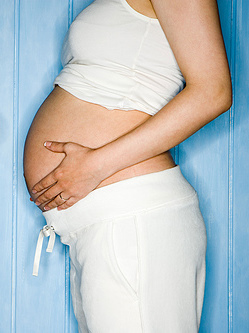
Photo Credit: Swangerschaft CC-BY-SA-2.0 2010

Pregnant women who exercised regularly before pregnancy can continue to exercise, if they take a few precautions. As long as you are in good health, not at risk for miscarriage and do not engage in strenuous exercise, a pregnant woman can enjoy regular physical exercise. Women who have not been physically active or engaged only in light, occasional physical activity before pregnancy should not start an exercise program more strenuous than walking. You are going to need strength and stamina to get through your pregnancy and delivery. Check with your doctor before beginning or continuing any exercise program. Women who are pregnant may benefit from light exercise in many ways. Walking and stretching exercises can help to relieve low back pain and prevent excessive weight gain. Swimming is a whole body aerobic exercise that most pregnant women can safely do throughout pregnancy to remain fit and control weight gain. Excess weight gain during pregnancy can contribute to gestational diabetes, high blood pressure and may even contribute to postpartum conditions like depression. Pregnant women who experience pregnancy-related conditions or are at risk for certain conditions should not exercise except on the advice and supervision of their doctor. Those who are at risk and should avoid exercise include women who are at risk for miscarriage or who have had a miscarriage in the past, history of premature delivery, bleeding or spotting and those with weak cervix or low placenta. Stretching exercises are especially helpful to maintain muscle tone and help to maintain flexibility. Stretching is important before other exercise, including walking, using a treadmill or swimming, to help reduce the risk of muscle strain. 

Begin a stretching exercise session with your neck and work your way to your feet. Sit in a comfortable chair or sit on the floor in a comfortable position. Place your hands on your thighs palms down and sit up straight and tall. Relax your shoulders and  your neck, and then drop your chin forward toward your chest. Rotate your whole head toward your right shoulder and then back to the middle of your chest. Continue rotating to the left shoulder and then back to your chest. Repeat this stretching exercise 5 times. 

Stretch your arms and shoulders to help relieve upper back stress and energize your whole body. Sit up straight, drop your shoulders down and back to straighten your back. Stretch your right arm forward and lean to the right stretching toward your fingertips. Return your right arm back to your side and then stretch forward with your left arm, and lean forward with your body stretching toward your left fingertips. Alternate back and forth in a swimming motion. Repeat this exercise for 10 repetitions. 
Kegel exercises during pregnancy strengthen the muscles of the abdominal floor that support the uterus, intestines and bladder. Sit in a comfortable chair with your feet flat on the floor and your arms relaxed at your sides. Sit up straight, tighten the muscles of your pelvic floor and then relax the muscles. To tighten the muscles in your pelvic floor, pretend that you are trying to stop the flow of urine midstream. Squeeze the muscles that you would use to stop your urine. Perform Kegel exercises anytime of the day, as often as you want, but try to do at least 10 sets of five contractions each day. Hold each muscle contraction for 5 to 8 seconds. Remember to breathe when doing Kegel exercises and do not contract your abdominal muscles while performing this exercise. 
Walking is a safe, effective form of aerobic exercise that can help a pregnant woman control her weight gain, remain physically fit and feel energized. Take extra precautions when walking while pregnant to avoid falls. Walk on smooth, flat areas such as sidewalks and walking trails. Do not walk when your path is covered in snow, ice or rain, which can make surfaces slippery and may result in a fall. Walk with a partner or a friend and avoid overexertion. A 20 to 30 minute walk every other day is generally safe for most pregnant women. 

For more information about safe exercises during pregnancy, see:

Exercise to Fight Depression

Photo Credit: Public Domain
You know that exercise can help you get fit, improve cardiovascular health, strength, flexibility and help you lose weight. Did you know that exercise can also improve your self-esteem and improve your mood? Physical exertion causes your brain to release endorphins, which reduce the effectiveness of pain receptors in the brain. The result is a feeling of well-being. You feel physically energized and emotionally well when your brain releases this chemical. The feeling has been called “runner’s high” because of a euphoric feeling. The effects of regular exercise are stress reduction, less anxiety, improved self-esteem, more restful sleep and fewer feelings of depression. 
Any physical activity that you enjoy doing can  help ward off feelings of depression and improve your mood. You don’t have to run miles or lift weights at the gym to enjoy the benefits of regular exercise. Riding a bicycle, dancing, walking, playing golf and tennis, basketball, softball, even gardening, yard work and house work is exercise. Low-impact aerobic exercises like swimming, bicycling and walking will get your heart pumping, your muscles working and your brain busy making endorphins. Do what you like to do and involve a friend or group of friends and family. Make exercise a regular part of your family activities. Aim for about 30 minutes of moderate exercise every other day. Gradually increase the time you spend exercising or exercise more frequently. If you are having trouble getting started or motivated to exercise, a personal fitness trainer can help. Make exercise part of your regular daily routine for a healthy mind and a positive attitude.

Do not ignore depression. Sometimes even exercise and healthy diet cannot alleviate feelings of depression. Moderate to severe depression may require immediate medical intervention. If you or a loved one could be suffering from depression, seek  help.

For more information about depression and depression help resources, see:

WebMD, Depression: Support and Resources

Get Fit & Save Money

Photo Credit: www.spreadfilms.de CC-BY-SA-3.0

Health club dues, gym memberships and exercise class fees can be expensive. Exercise equipment, such as treadmills, step machines and exercise bikes can costs hundreds of dollars. Getting fit doesn’t have to be expensive. There are many ways to get fit and save some money on exercise equipment and membership fees.  
Shop at discount stores and large department stores for quality exercise equipment that won’t break the bank. Buying used exercise equipment is another option. Some exercise and sporting goods stores offer reconditioned, refurbished and used exercise equipment at discounts. Shop online and compare prices. When shopping online for any product, make sure to check out the seller for reliability and trustworthiness. There will probably be some shipping costs involved for online purchases, so take shipping into account when comparing costs.
If you can’t afford a full set of free weights and a weight bench, opt for a set of adjustable dumbbells. Adjustable dumbbells are less expensive than a full set of free weights and you can add or subtract the amount of weight depending on your strength, endurance and the kind of exercise you want to do. A cheap way to make your own hand weights is to recycle milk jugs and juice containers. Fill them with water and lift them using the handle on the jug. 
Save money on exercise classes by using DVDs at home. Many movie rental store carry a wide variety of exercise DVDs including dance aerobics, yoga, tai chi and strength training exercises. You can buy exercise DVDs almost anywhere movies are available for sale. Your local library may also lend exercise DVDs. Check with your library’s media center for titles. You can also invite a friend or two to split the cost of a set of exercise DVDs and share or work out together. Community centers and organizations like the YMCA offer low cost programs and memberships. Dance classes are an excellent way to get in shape. Check with your local community center for programs and costs. The YMCA has a wide variety of fitness programs and many YMCA centers provide an indoor swimming pool, basketball courts, ping pong and weight rooms. The cost is less than a gym membership and family plans are often available. 
The best exercise will cost you no money. Walking, bicycling, jogging and exercising at home doing push-ups, sit-ups, crunches and lunges will help you get in shape without spending money.  If you need help putting together a fitness program, a personal fitness trainer can help you design your own unique workout.

Tighten and Tone Your Face and Neck

Photo Credit: Erifyli TsavdariCC-BY-2.0 2006
Gravity and aging can take a toll on your face and neck. The muscles of your face and neck are just like any other muscles. If you don’t exercise these muscles, they will become weak and you can lose muscle tissue. Tightening and toning the muscles of the face and neck can help reduce the effects of aging and help you look and feel a little younger. People whose cheeks and jowls are sagging can help reduce the saggy appearance by doing some face and neck exercises. These exercises can be performed any time, while watching television, sitting at your desk at work or just about anywhere. 
Sit in a comfortable chair with your back straight. Drop your shoulders a bit and pull your shoulder blades back so that your spine is straight. Look straight ahead and press your chin forward. Squeeze your lips together and then lower your jaw and push your jaw forward. Hold this position for about 10 seconds and then relax. Repeat this exercise 5 times. This exercise will help strengthen and tone the muscles of your lower jaw and neck. 
While still sitting upright in your chair, tilt your head back. Keep your mouth closed, but not tightly. Move your lower jaw in a chewing motion left to right 10 times and then reverse and move your jaw right to left 10 times. Relax and rest for a few seconds if your jaw gets tired. Do 3 to 5 sets of 20 chewing exercises each day. Stretch  your neck muscles by tilting your head back and look at the ceiling. Thrust your lower jaw forward slightly and cover your upper lip with your lower lip. Hold the stretch for about 5 seconds and then relax. Repeat this stretch 10 times each day. 
Lie on your back on the bed with your head hanging over the edge. Slowly and smoothly raise your head until your spine is straight. Hold the straight position for 10 seconds and then slowly relax and lower your head back to the start position. Repeat this exercise 5 times each day.

2 Great Exercises for Slimmer Hips and Thighs

Photo Credit: Mauritsvink Public Domain
It can be difficult to lose fat and build muscle in your hips and thighs. You can lose fat, firm and tone your muscles with a whole body exercise regime, but you may need to do a little extra work by spot training to slim your legs and hips. The hips, thighs and stomach area tend to store more fat than any other part of your body. Two great exercises that can help burn more fat, tone and strengthen hips and thighs include dumbbell step-ups and dumbbell squats. Don’t start a new exercise program until you see your doctor and get a complete physical. A personal fitness trainer can help you stay motivated and offer instruction on how to perform exercises to get maximum benefit and avoid injury. 
Step-ups require an exercise step block and a set of dumbbells. Start with a low block and gradually increase the height of the step as you gain strength and stamina. Start by standing in front of the step block with your feet apart about hip-width. Hold a 2 to 5 pound dumbbell in each hand in an overhand grasp with your palms facing inward. Drop your shoulders, squeeze your shoulder blades and stand up tall and straight. Step up on the block with your right foot. Keep your body straight and push your body up with your left foot. Place your left foot next to your right foot on the step block platform. Shift your weight to your right foot and step backwards off the step block with your left foot. Place your left foot firmly on the floor and then bring your right foot back to the floor in the start position. Alternate legs and repeat the exercise. Try to do 10 repetitions leading with your right foot and then alternating and leading with your left foot for 10 more repetitions. Increase the number of repetitions and add a heavier dumbbell as your gain strength and endurance. 
Dumbbell squats help tone and firm your arms as you exercise your hips and thighs. Stand with your feet hip-width apart and hold a 2 to 5 pound dumbbell in each hand. Grasp the dumbbells in an overhand hold with our palms facing your thighs. Squeeze your abdominal muscles and inhale. Raise the dumbbells to your chest until they rest on the front of your shoulders. Lift your chest and squeeze your shoulder blades together so that you are standing tall. Slowly lower your body in a sitting position from the hips. You may need to shift your weight to you heels to maintain your balance. Try to bend your hips and knees at the same time for a smooth downward motion. Keep your feet planted firmly on the floor. Stop lowering your body when your heels begin to lift off the floor. Exhale and smoothly push your body back to the upright position using your feet. Try to do 5 to 10 squats. Increase the number of repetitions and add more weight when your strength and endurance increase.

Diet Doesn’t Mean Deprivation

Photo Credit: Public Domain

Being on a diet and counting calories can sometimes leave you feeling deprived. Counting calories, cutting back on sugar, exercising and avoiding fatty foods is hard work. It can be difficult to decline a piece of birthday cake or a sweet snack at an office party. The good news is a small slice of cake or a sweet snack from time to time won’t destroy your diet. It’s okay to indulge a little bit for special occasions or to reward yourself for achieving an important fitness milestone. Choose low-fat, low-calorie deserts to reward yourself, but if you have a piece of cake, don’t beat yourself up. The important thing to remember is not to over-indulge. 
When you are counting calories, you don’t have to measure every meal. Common sense and nutritious foods can  help you avoid consuming too many calories. Keep a lot of low-calorie vegetables on hand. You can munch on lettuce, bell peppers, tomatoes, carrots, broccoli, celery and cucumbers without worrying too much about calories. These vegetables contain essential nutrients and fiber that your body needs. Keep some low-calorie salad dressing in the refrigerator to use as a dip if you want to add extra flavor to your veggie snack. 
Sometimes we just crave a particular food that we love. It’s okay to have a small slice of cheesecake, a piece of fried chicken or a banana nut muffin occasionally. Limit yourself to eating  high-calorie foods no more than once a week. Cutting out your favorite foods completely can leave you feeling deprived and unhappy, which may lead to an eating binge and will undermine all of your hard work. Give yourself a little treat once each week, then exercise an extra 5 minutes each day. Stock up on some low-calorie, low-fat versions of your favorite foods and reward  yourself with a treat that won’t leave you feeling guilty. Snack frequently and eat 5 small meals instead of 3 large meals each day. Choose tasty and healthy snacks like walnuts, whole grain crackers, grapes, orange slices and bananas. Fruit can satisfy your sweet tooth without undermining your weight-loss goal. 

Gym Exercise Equipment You Should Be Using

Photo Credit: LocalFitness.com.au

There are many different types of gym equipment designed to work out everything from individual muscle groups to your whole body. If you belong to a gym, or if you are thinking about joining a gym to get in shape, make sure that there are qualified personal trainers on staff. Get a complete check up from your doctor before beginning a new exercise program. 

Cable resistance exercise machines can help you tone and strengthen upper and lower body muscle groups. Cable machines maintain a constant resistance that your legs or arms work against. Cable machines can be adjusted by resistance and the muscle group you want to work. You can perform many different types of exercises on one of these machines, including shoulder presses, abdominal crunches, lateral raises and strengthening exercises for your biceps and triceps. Start out slow on one of these machines to avoid muscle soreness. Limit your first workout to about 5 minutes every other day. Skip a day between workouts to allow your muscles to heal and soreness to abate. Slowly increase the amount of time you spend on the machine as your muscles grow stronger and your endurance increases. Resistance bands attached to the wall or to a bar also provide effective strengthening opportunities. Resistance bands provide an intense workout and can be used in virtually any position; standing, sitting or lying down. 
A step machine can give you a better workout than a regular treadmill because it simulates climbing stairs. Step machines help you burn more calories than you would using a treadmill for the same amount of time, because you lift your legs and push down with your feet. You can work your glutes, hamstrings, calf muscles and your abdominal muscles. Start out slow on a step machine and limit your first workout to 10 minutes or less. Take a day off to allow your muscles to recover before you work out on the step machine again. 

Rowing machines work almost all your major muscle groups and provides a powerful cardiovascular workout. This machine closely mimics the motion of rowing a boat and works the upper and lower body. You can burn quite a few calories in just a few minutes on a rowing machine. The machine can be adjusted to more or less resistance to accommodate beginners to experts. The key to getting a good workout on a rowing machine is a smooth, continuous rowing motion. 

Winter Blahs: How to Stay Motivated

Photo by www.localfitness.com.au

You made a New Year’s resolution to stick to a fitness program and a healthy diet. Great news! But now it’s mid-February and you’re just not as motivated as you were on January 2nd. Maybe you started a fitness program and diet, but you’ve allowed some of your plans to fall by the wayside. Don’t be too hard on yourself. Many people start an exercise and diet program only to stop after a few weeks and fall back into their old routine. A personal trainer can help keep you motivated and there are ways to stay motivated on your own.
Re-evaluate your goals. You may have set fitness goals that are unrealistic so that you are not seeing the results you expected. Design a new fitness program with short-term, intermediate-term and long- term goals. Try committing to completing a 10 minute walk 3 times each week for the next 4  weeks. After that, increase your walking time by 10 minutes for the next 4 weeks. Continue increasing your time until you walk for 30 minutes 3 days each week. On the days you are not walking, commit to doing 5 minutes of morning stretching exercises, followed by a healthy breakfast and then 5 more minutes of exercise. Gradually add afternoon and evening exercise. 
Have you lost your motivation because you are bored with your routine? Change your routine or start playing a sport that you enjoy. Take up dance aerobics or swimming. Try a Latin dance class or join a martial arts program. Invite friends and family to join you in exercise. Organize a fitness club at work. You are more likely to stay motivated and reach your fitness goals if you are having fun. If finding the time to exercise is a problem, a personal trainer can also help you design a program as part of your regular schedule. Give yourself a reward when you reach a particular goal. Go shopping for new clothes to fit your slimmer figure.