How to Get More Fruit In Your Diet

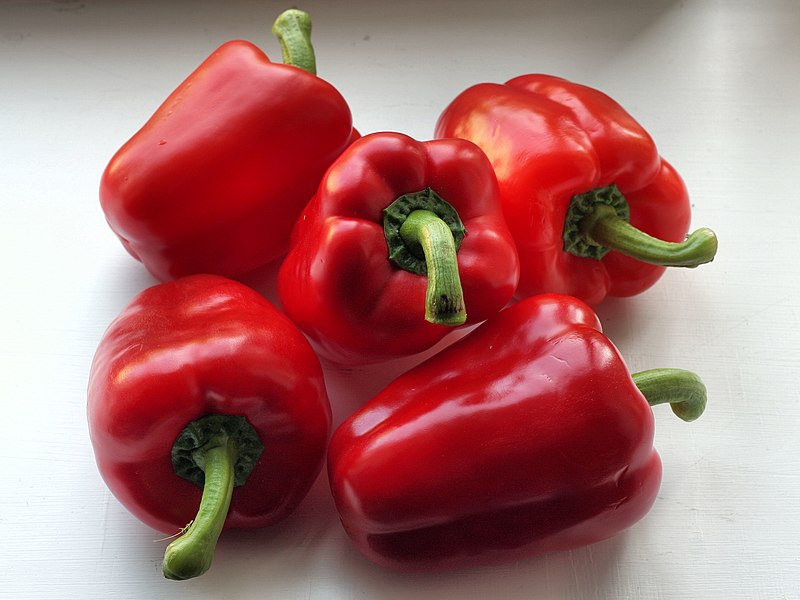
Photo Credit: Dr. Karl-Heinz Hochhaus CC-BY-3.0

Fruits and vegetables are an essential part of a healthy diet and may even reduce your risk of getting some types of cancer. Fruits are delicious and packed with nutrients. It’s easy to find ways to incorporate more fruits into your daily diet. Fruits are available fresh, frozen, dried and canned. You can use fruits in salads, sandwiches, drinks and desserts. They are great for snacks, too. When you buy fresh fruits, always wash them thoroughly under running water to remove dirt, bacteria and any trace of pesticides before eating or cooking. Keep your fresh fruits stored separately in the refrigerator away from meats and other foods. 
One of the easiest ways to eat more fruit is to keep a bowl of fresh, washed fruit on a table or on the kitchen counter. You and your children are more likely to reach for a fragrant orange or a tasty banana for a snack if they are readily available. Make a delicious fruit salad using fresh, cut up fruits. Add some orange juice and stir. Fresh fruit salad is delicious and does not need extra sugar for sweetening. Cut oranges, apples, grapes, pears, peaches, nectarines, tangerines, pineapple and melon into cubes and stir together with a cup of orange juice. Eat it right away or refrigerate. 
Bananas, prunes, peaches, apricots, melons and oranges are loaded with potassium, an essential nutrient. Try some sliced bananas or fresh peaches in your cold, whole grain breakfast cereal. The natural sweetness of the fruit reduces the need for additional sweeteners or sugar. Strawberries, blueberries, raspberries, bananas or raisins liven up a hot bowl of oatmeal, too. You can get more fruit into your diet at lunchtime by adding fruit to low-fat yogurt or eating a whole, fresh apple, orange or pear for dessert. Fruits are available packaged for individual servings that are great for a mid-morning or late afternoon snacks at work. Add apple chunks and grapes to chicken salad for a delicious, crunchy lunch sandwich. Keep a box of raisins or other dried fruit, such as apricots, in your desk at work for a quick, tasty snack. Fresh fruit smoothies are another way to get fresh fruit into your diet. Make your own by blending low-fat milk with fresh fruits and ice. 

Safe Summer Grilling

Photo Credit:  Tom Harpel  CC-BY-2.0
Grilling food outdoors during the summer is an American tradition. The savory smell of grilled steaks and vegetables fill neighborhoods all around the country during this time of the year. Unfortunately, many Americans will cook high-fat, high-cholesterol foods like sausages and ground beef. In addition to the unhealthy saturated fat, meat drippings that burn on the coals release chemicals that may contribute to cancer. Polycyclic aromatic hydrocarbons (PAHs) and heterocyclic amines (HCAs) are produced when meat is grilled or when fats burn on the grill coals or heating elements. Bacteria is also a potential health concern when grilling outdoors. Handle meats carefully, make lean meat choices and grill more vegetables for a safer, healthier grilling season.
Grilled ground beef patties are a summer fare favorite. Bacteria on meat is normally killed during the cooking process but under-cooked meat can leave live bacteria inside the meat. Bacteria on the outside of ground beef gets mixed up to the inside of the burger patties when they are formed. Cook hamburger patties thoroughly to kill harmful bacteria hiding inside your burger. A 1/2 inch thick burger should be cooked for about 13 to 15 minutes. Meats like chicken, steaks and fish should be cooked thoroughly to kill bacteria inside the meats. The only way to be sure chicken is safely cooked is to use a meat thermometer. The inside temperature of chicken has to reach at least 165 degrees Fahrenheit to be safely cooked. 
Cook sausages on low heat to avoid charring the outside but leaving the inside under-cooked. Bratwurst and Italian sausages should be cooked over low coals to prevent the skin from burning and splitting. Start with a lean cut of meat and trim all the fat off the meat before grilling to reduce the saturated fats in your diet and to avoid potentially harmful chemicals released when fat drips on the coals.
Try some fruits and vegetables on your summer grill for a tasty healthy alternative to meat. Tomatoes, bell peppers, zucchini, pineapple, eggplant,  apples, pears, and onions are delicious grilled as a vegetable-fruit mix or as kabobs. Cook vegetables for 10 to 12 minutes over a medium grill. Use marinade for extra flavor.

Food for Men’s Health

Photo Credit: Matti Paavonen CC-BY-SA-3.0

Men’s nutritional needs differ in some ways from women. Just as women need more folic acid and iron during pregnancy or eating a low-fat diet may reduce the risk of breast cancer, men have specific nutritional needs, too. Nutrients to build muscle mass, reduce the risk of prostate cancer or to increase stamina can be found in the foods men eat. A nutritious, balanced diet, exercise and avoiding alcohol and tobacco are the best ways to stay healthy. Some foods contain more of the nutrients that contribute to a healthy male body. 
Zinc is an essential antioxidant trace element that the body uses to repair cell damage. A diet that includes sufficient zinc may help reduce the risk of prostate and other cancers due to its role in cell repair. Oysters are rich in zinc. Other foods that are rich in zinc include lean beef, legumes, pork and shellfish like crabs and lobster.
Fatty fish provide healthy omega-3 fatty acids that benefit the circulation, the heart and the immune system. Omega-3 fatty acids are also a powerful anti-inflammatory that can help reduce fat levels in the blood and improve muscle pain.  In addition to omega-3 fatty acids, fish also provides vitamin D which is essential to bone health. Salmon, tuna, mackerel and sardines are rich in omega-3 fatty acids. Walnuts, canola oil, and eggs also provide omega-3 fatty acids.
The foods we eat contribute to the cholesterol levels in our blood. High LDL (bad) cholesterol can lead to many health problems, including heart disease and some cancers. Stanols are a substance that occur naturally in many fruits and vegetables. Stanols help to lower LDL cholesterol. Plant stanols are found in foods like granola, cheese, soy, orange juice, whole grain bread and even in dark chocolates. 
Vitamin C is an antioxidant nutrient that not only helps boost the immune system, but also helps keep the skin healthy. Vitamin C is essential to collagen tissue health and repair of skin cells. Bright colored fruits and vegetables are richest in vitamin C. Vegetables also contain beta-carotene and potassium, which may aid in reducing the risk of an enlarged prostate. 

Diet Don’ts

Photo Credit: USDA PD

Obesity is a serious problem in the United States. Obesity rates are more than 30% of the population of some states and the problem appears to be growing. The increase in obesity rates has many people re-thinking their diet and fitness habits. Some may even take extreme measures to lose weight or to prevent weight gain. Extreme measures to control or lose weight can lead to serious health problems and are not advised. 
Don’t do extreme dieting. Extreme dieting is a common method employed by many people who want to quickly lose weight. Starvation diets, skipping meals, cutting entire food groups from the menu or relying on diet shakes for nutrition can result in malnutrition and loss of muscle mass. Your metabolism will also slow down, which  defeats your weight loss goal. The average person needs at least 1,200 calories every day to stay healthy.  Eat a variety of foods, including dairy, fruits and vegetables to get the nutrition you need and to avoid hunger. Avoid fad diets that limit the variety of foods you can eat or restrict your menu to only a few foods from one or two food categories. 
Don’t count on diet pills or shakes to help you lose weight. Diet products that promise you will lose tens of pounds in just few weeks are unlikely to live up to this claim and may actually harm your health. Most diet pills are a combination of diuretics and caffeine, which cause you to lose water and can result in dehydration. Overuse of diet pills can result in electrolyte imbalance, too. 
Over-the-counter diet pills may not appear to be dangerous , but they can still cause harm. “Most diet pills are nothing more than a quick fix loaded with caffeine and diuretics that can lead to dehydration and electrolyte imbalance,” says Diekman, director of nutrition at Washington University in St. Louis. Diet supplements and over-the-counter diet pills do not receive the same level of scrutiny by the Food and Drug Administration as prescription drugs, so their safety and effectiveness is not assured. 

Don’t do colon cleanses or detox programs. Colon cleanses can cause you to lose some weight initially due to water loss and the complete emptying of the bowel. Water loss from colon cleanses can cause dehydration. Detoxing your body by drinking only juice or water for days can lead to a lack of nutrients, decreased metabolism and may cause other health problems. It’s best to drink lots of water and eat a high-fiber diet every day. 
Don’t purge. Purging, like vomiting or using laxatives are unsafe and can lead to serious, sometimes life-threatening, health problems. When you force yourself to vomit shortly after eating, strong stomach acids can cause erosion in the lining of the mouth and esophagus. Tooth enamel is also damaged by stomach acids. Purging can lead to the severe eating disorder bulimia. 

Best Fruit Juices

Photo Credit: Metoc  CC-BY-SA-3.0

Juice is one of the best ways to enjoy the nutritional benefits of fruits and vegetables. There are hundreds of brands and different fruit blends to choose from. But how do you know you are getting nutrients without loading up your body with sugar, preservatives and extra calories? You have to read the label. Select fruit and vegetables juices without added sugar, sodium or preservatives if possible. Many juice-like drinks are made from 10% or less fruit juice. The rest is flavored, colored and sweetened water. Juice cocktails and juice drinks are usually sweetened with high-fructose corn syrup and provide little nutrition. Different fruits provide a variety of benefits. Apple juice, for example, is rich in fiber, vitamins A, C and B. If you like juice, try a variety made from different fruits.
Vegetable juice blends are a good way to add more vegetables to your diet. Tomato juice is rich in the nutrient lycopene and has been linked to a reduced risk of some kinds of cancer, especially prostate cancer. Beets may help keep high blood pressure in check because they are rich in potassium, magnesium, and fiber. Vegetable juices are usually low in sugar and calories, but may be high is sodium. Check the label and select a low-sodium or no-sodium added variety. 
Pomegranate juice is delicious, sweet and is packed with antioxidants. The trade-off is that pomegranate juice is high in calories, mostly from natural sugars. Cranberry juice is extolled for its beneficial effects on the urinary tract. It is also rich in vitamin C for a strong immune system. Blueberry juice and acai berry juice may have a beneficial effect on your ability to concentrate and have more antioxidants than most other fruits. Cherry juice has anti-inflammatory antioxidants and grape juice is rich in the antioxidants. Orange juice is known to be loaded with immune-boosting vitamin C. Prune juice is high in fiber and iron. It also contains a sorbitol, which is a laxative and can help keep your digestive system regular. Like most other fruits and juices prunes also contain antioxidants and potassium. 

Eat Before Or After A Workout?

Photo Credit: Fir0002/Flagstaffotos  GFDL-1.2

There can be some confusion about whether you should eat before, during or after a workout for maximum energy, but still burn excess calories to lose weight and burn fat. Your body needs energy to keep it functioning at peak efficiency. You need nutrients including vitamins, minerals and protein to help build and repair muscles and keep cells free of toxins. You should eat a healthy diet from all the major food groups and include enough complex carbohydrates to provide the energy you need. Drink plenty of water before, during and after a workout to replace lost water due to sweating. 
You should not start a workout when you are hungry. You will not have the energy or nutrients needed to maximize your workout. Low blood sugar resulting from fasting can cause you to feel weak, and in some cases, lightheaded. If your blood sugar is very low,  you could even lose consciousness for a brief time. This can be dangerous. Don’t fast before a workout. About one hour before a workout, eat foods that have a high  glycemic index, such as fruits, whole grain breads and pastas. Avoid eating too much fiber before a workout because it can make you feel sluggish. Select quick digesting foods that are rich in carbohydrates. 
Keep your body hydrated and fueled during high intensity workouts that last 45 minutes or longer. Keep a bottle of water handy and drink from it frequently during your workout. Sports drinks with electrolytes are also a good choice to replace salts and minerals lost through sweating and to maintain the electrolyte balance in your body. A granola bar is a good choice for a quick snack if you feel hungry during your workout. 
After an intense workout that lasts more than 45 minutes or longer, you will need to replenish your protein and sugar stores. A high protein peanut butter sandwich, 8 ounces of water and a banana can provide your body with the vitamins, minerals, protein and carbohydrates necessary to repair tissues and recover from a strenuous workout. Yogurt, natural fruit juice (no added sugar) and some nuts, such as walnuts or almonds, granola or sliced fruit can help replenish depleted nutrients.  

For information about what you should eat for energy, see:
WebMD, What to Eat Before, During and After Exercise, by  Kathleen M. Zelman, MPH, RD, LD

Prevent Food Cravings From Destroying Your Diet

Photo Credit: Evan-Amos CC-Zero
Many people get food cravings from time to time. Men and women both get food cravings. When you are trying to lose weight, succumbing to a food craving can undo a week’s worth of weight loss efforts. Foods that are most often craved by women in the United States are sweet, calorie-laden, fat-rich foods, such as chocolates, ice cream, cookies and cheesecake. Food craving is a complex interaction of the brain, the stomach and hormones. Food cravings may also be all in your head.
According to research by Eva Kemps and Marika Tiggemann of Flinders University, Australia, people who have food cravings also have vivid image of the food in their minds. The clearer and more vivid the image of the food, the stronger the craving. When mental resources are focused on the image and memory of a food, it’s hard to focus on other mental tasks, hence a craving for the food. It is possible that the opposite may also be true. We can use our brain power to reduce cravings. In an article by Science Daily, The Psychology of Food Cravings, it is reported that people who had food cravings could reduce the craving by thinking about other things. In one experiment volunteers who were craving a food were shown flickering images of black and white dots on a computer screen. Cravings were also reduced when people thought about other things, such as a place they like to visit, a particular smell they remember (not food related) or to picture a rainbow. When people concentrated their mental energy on something other than a food craving, the craving lessened. 
Another way to help reduce food cravings, which can lead to over-indulging in diet-busting foods and treats, is to prevent yourself from becoming too hungry. Never skip meals and always eat a healthy breakfast that includes protein and complex carbohydrates found in whole grains, low-fat milk and nutrient-rich fruits and juices. Carry healthy snacks with you so that you can munch on them before lunch and before dinner, if you get hungry. Fresh fruits, vegetables and whole grains like granola bars are healthy alternatives to the candy bar sugar fix. 
For tips about how to curb food cravings, see:
WebMD, The Facts About Food Cravings, Elaine Magee, MPH, RD, 2005

Food Alternatives for Lactose Intolerance

Photo Credit: Stefan Kühn CC-BY-SA-3.0 2004

Lactose intolerance is the inability to digest lactose. Lactose is found in milk and foods made with milk. Other foods that contain lactose include some breads, pancakes, cookies, waffles, doughnuts, pastries and breakfast cereals. Processed meats, such as bacon, sausage, hot dogs and luncheon meats also contain lactose. Margarine, salad dressings and whipped topping made with milk as well as ice cream, cheese and butter all contain lactose. Because lactose is found in so many foods, it can be difficult for the lactose intolerant person to get enough calcium, potassium and vitamin D. There are good alternative natural food sources of these nutrients. There are also alternatives to milk that are lactose-free and fortified with the vitamins and minerals found in regular milk and milk products. Vitamin D helps the body to absorb calcium for strong teeth and bones, and as such is a critical nutrient. 
Salmon and sardines are rich sources of calcium and omega-3 fatty acids. Green vegetables, including broccoli, spinach and kale greens are loaded with calcium as well. Soy and almond milk fortified with vitamin D, potassium and calcium can satisfy the daily recommended allowances of these important nutrients. Bananas are a good source of vitamins and minerals including potassium, calcium and manganese. Eggs are also a good source of vitamin D as well as protein. Most lactose intolerant adults can get enough vitamin D and calcium by eating fortified foods, fruits and vegetables, fish, whole grains and by choosing lactose-free milk alternatives. 

Skip Meat One Day Each Week

Photo Credit: Public Domain

The USDA and nutrition experts extol the health benefits of eating more vegetables, fruits and grains. Plant fiber, protein and nutrients are healthy for you. Lean red meat, fish and poultry are good sources of protein that your body needs, but they aren’t the only source of protein. Vegetarians and vegans do not eat meat and are still healthy and energetic because they get their energy from plant sugars, proteins and plant nutrients. People who eat less meat or no meat have a lower risk of cardiovascular disease and weigh less than meat eaters. You can still maintain a healthy body and weight if you enjoy meat and other animal products, like milk, eggs and cheese. Eating less meat, especially beef and pork, and eating more fruits, vegetables and grains while exercising regularly can help lower cholesterol, reduce body fat and help you feel better. You don’t have to stop eating meat altogether to lose weight and lower your cholesterol. One way to reduce the amount of meat in your diet is to skip meat one or two days each week. When you do eat meat, it should not be more than 1/4 of your total meal. One-half of your meal should be fruits and vegetables. The remaining 1/4 of your total meal should be whole grains, like wheat, rice or barley. 
Choose one day each week and vow to not eat meat that day. Plan ahead and shop for meatless plant- based food alternatives for every meal that day. Skip the sausage links, bacon and eggs. Instead, start your meatless day with a bowl of hot whole grain oatmeal, fruit, juice and low-fat milk. A bowl of whole grain cereal without added sugar, orange juice and low-fat or skim milk is a nutritious way to start your day. Add some blueberries, strawberries or sliced banana to your cereal for natural sweetness and extra vitamins and minerals. Have a mid-morning snack of fresh fruit, nuts or whole-grain crackers and low-fat cheeses to avoid hunger and over-eating at lunch time. Beans contain an abundant source of plant protein, fiber and vitamins. Have a bean salad, bean soup or a vegetarian refried bean taco or burrito for lunch. Put some lettuce, chopped tomatoes and shredded carrots on your taco or burrito to add flavor and nutrition. If you use sour cream, opt for a low-fat, vitamin fortified brand.   

Munch on some apples or orange slices mid-afternoon for a boost of energy. Replace meat at dinner with tofu. Chop tofu into cubes and stir fry with vegetable. Flavor with low-sodium soy for a tasty meal. Use olive oil or vegetable oils in meal preparation and avoid butter and solid fats. Pea soup, meatless lasagna and vegetarian spaghetti are also tasty ways to enjoy vegetables and go meatless. Slice zucchini or squash and layer it with low-fat cheeses, tomato-based sauce and whole grain lasagna noodles. Add some mushroom and chopped tofu to spaghetti sauce for extra flavor and plant proteins. 

Making Sense of USDA Dietary Guidelines

Photo Credit: Garitzko Public Domain
The dietary guidelines for Americans, as recommended by the USDA includes some important recommendations to eat more of some foods and to reduce consumption of salt, fat and sugars. The guidelines are not strict rules for eating, but recommendations about how to improve your health by making wise food choices. Because so many Americans do not eat a variety of foods, nutritional deficits in fiber, calcium, vitamin D and potassium are too low and a public health concern. Many Americans are over-weight, especially children. A balanced diet of fruits, vegetables, lean meats and fish, fiber from whole grains, beans and rice can help combat obesity and disease. The goal of dietary guidelines is to help Americans make wise food choices for improved health. 
The USDA recommends that Americans eat more plants. Fruits, vegetables and whole grains contain essential nutrients for a healthy body. Vegetables and fruits may help reduce the risk of chronic disease like diabetes, cardiovascular disease and even some cancers. Vegetables and fruits contain important trace elements, such as magnesium, potassium, fiber, folates and vitamins. It is recommended that an adult eat at least 2 1/2 cups of vegetables and fruits every day. One way to increase the amount of fruits and vegetables in your diet is to trade chips and cookies for fresh fruits and vegetables. Snack on apples, pears and strawberries instead of popcorn or chips. Vegetable and fruit juices are another way to increase your daily intake. Make sure to read the label and buy only juices that are 100% fruit and vegetable juices without added sugar or salt. 
The USDA recommends that Americans cut back on refined grains like white bread, sugar, salt and solid fats. Processed foods are convenient, but they may not meet all your nutritional needs. The calorie-to-nutrient ratio in most processed foods is not balanced, meaning that the foods are high in calories with low nutritional value. Excess salt can contribute to high blood pressure, especially for a person who has a potassium deficiency. Processed foods, canned foods and ready-to-eat heat and serve meals often contain excess salt and added sugars. The USDA recommends limiting sodium to no more than 2,300 milligrams per day. Older people and those at risk for high blood pressure and diabetes should limit salt to about 1,500 milligrams per day. 

According to the USDA, solid fats and sugars account for as much as 35% of the average person’s daily caloric intake. One of the easiest ways to reduce the amount of solid fats and sugar in your diet is to avoid refined grain foods and to use vegetables oil and olive oil in place of fats like butter. Cutting back on fats, trans fats and sugars can also help reduce cholesterol levels. 
For more information and explanation of dietary guidelines, see:
United States Department of Agriculture, 2010 Dietary Guidelines