Exercise To Reduce Back Pain

Photo Credit: Shustov CC-BY-SA-3.0

Back pain is common and is usually caused by muscle strain or overuse of the back muscles. Most low back pain is temporary and will improve if you stay physically active. Stretching and strengthening exercises improve muscle strength. You can reduce your risk of back pain and back muscle strain by exercising to strengthen your core and back muscles to provide better support for your spine. 
Wall squats strengthen your abdominal muscles, leg muscles and back. Stand up straight with your back against the wall. Move your feet about 1 foot away from the wall but keep your upper back against the wall. Squeeze your abdominal muscles tight and then slowly bend your knees to lower your body straight down the wall. Lower your body until your thighs are parallel to the floor. Hold the position for about 5 seconds and the push your body up the wall using your legs. Try to do 8 to 10 repetitions of this exercise. 

Heel raises strengthen the calf muscles and the hamstrings. Stand up straight with your feet about hip-width apart. Lift your heels and shift your weight to the balls of your feet. Hold the position for 5 seconds and the slowly lower your heels back to the floor. Do 10 repetitions of this exercise.  
Stretch your leg and back muscles by doing knee-to-chest stretches. Lie down on your back with your knees bent and your feet flat on the floor. Grasp your right thigh by placing your hands behind your thigh and lift your knee toward your chest. Gently pull your knee toward your chest. Stop when you feel your back and hamstring muscles stretch. Hold the position for 10 seconds and then relax. Repeat with the other leg. Do 5 repetitions of this stretch with each leg. 
Exercise Eases Symptoms Of Menopause

Photo Credit: Catherine Scott CC-BY-SA-2.0

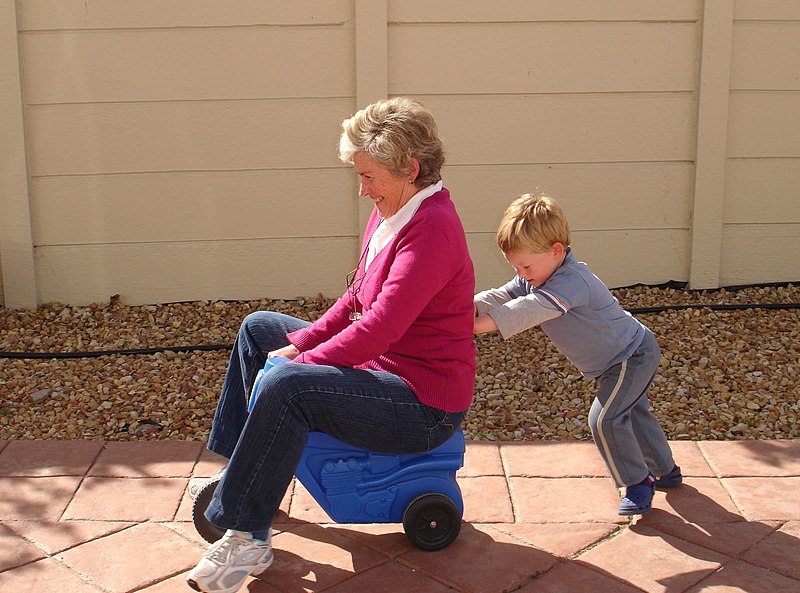
When women reach their 40s, the production of hormones begins to slow down. Most women will begin to experience menopause around age 50. Menopause can be a difficult time, physically and emotionally, for women. Hormone fluctuations and reduced levels of hormones can cause physical symptoms including hot flashes, intense sweating and disruption of sleep patterns. Some women may also experience loss of bone density, which can lead to osteoporosis if left untreated. The risk of cardiovascular disease is also increased. Many women will experience stress, anxiety and even depression. Weight gain is also common among menopausal and post-menopausal women. Hormone replacement therapy (HRT) can provide relief for some women, but there may be some health risks associated with HRT. Women who choose HRT are at risk for blood clots and some types of cancer. 
Regular physical activity can help reduce your risk of heart disease and delay or prevent osteoporosis. Aerobic, or cardiovascular, exercise can help keep your heart healthy. Weight-bearing exercises and strength training can help replace lost bone density and prevent further bone loss. Women who have been diagnosed with osteoporosis should avoid high-impact exercises, such as running, jogging and high-impact dance-style aerobics and jumping rope. For those with bone loss, low-impact aerobic exercises, such as walking and bicycling might be a better choice to reduce the risk of bone fracture. Strength training, lifting weights and body-weight exercises, improves bone density and rebuilds lost muscle mass. Aerobic exercise also helps prevent weight gain, especially around the belly. 
Exercise has a positive psychological effect on the mind. Physical exertion stimulates the brain to release endorphins, or the feel good hormone. Endorphins produce a general sense of well-being so that your mood is elevated following exercise. Women who exercise may also sleep more soundly and awake feeling more rested. A healthy diet, plenty of sleep and exercise may help you deal with the physical and psychological effects of menopause. 
For more information about hormone replacement therapy, see:

Happy Food

Photo Credit: Stefan Kühn CC-BY-SA-3.0
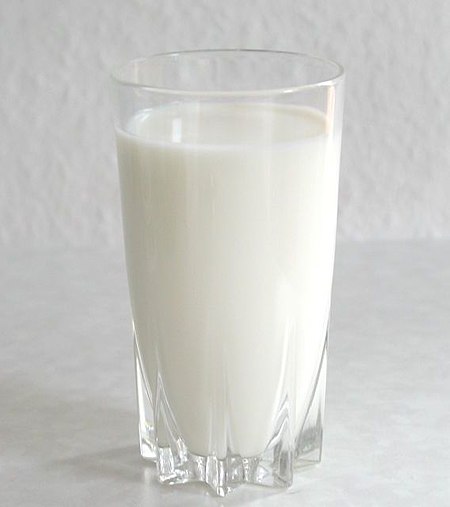
Can food change your mood? Are there foods that make you feel good, bad or happy? What you eat has an impact on your body chemistry. Some foods raise or lower chemicals in the brain called neurotransmitters. Other foods aid in the brain’s production of serotonin. Serotonin is the hormone that produces a relaxed, calm and happy feeling. Anadamine in the brain makes you feel cheerful. Try some of good mood food to improve your mood.
Dairy products, such as milk, contain an amino acid called tryptophan. Tryptophan is necessary for the brain to make serotonin. Milk products also contain vitamins D and B, antioxidants and calcium. If you’re watching your calories, drink skim milk to feel calmer while nourishing your body with essential vitamins and minerals. Bananas are also an excellent source of tryptophan and other important nutrients such as potassium.
Most everyone already knows that chocolate is a “comfort food.” You feel happier after eating chocolate because it contains anadamine that helps you feel happier. Sugar in chocolate also increases the brain’s endorphin levels. Endorphins are a natural pain reliever and cause you to feel happy. Endorphins are also released by the brain when you engage in vigorous exercise. This brain chemical is responsible for the “runner’s high” that athletes experience after vigorous exercise. 
Carbohydrates are nutritional happy foods that you should include in your diet every day. Carbohydrates increase serotonin that helps you feel calm and relaxed. Rice, wheat and raw vegetables are an excellent source of healthy carbs. 

Hip Flexor Exercises

Photo Credit: Scuba-limp CC-BY-SA-3.0-Unported

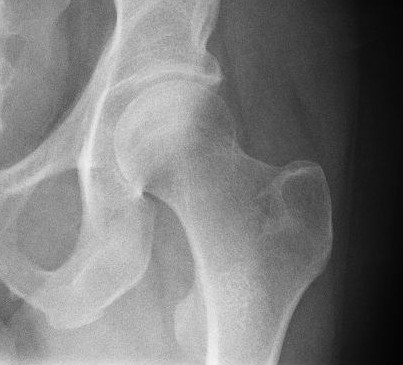
The hip flexors are a group of muscles around the hip joint that flex the joint when sitting and bending. A group of three muscles, the psoas major, the psoas minor and the iliacus, that together are called the iliopsoas that flex the hip joint. When the iliopsoas muscles are weak or tight, you can experience hip and back pain. Exercises that target the hip flexor muscles can strengthen these muscles to improve posture and relieve hip and back pain. 
Lying leg raises will strengthen the hip flexors. Lie on an exercise bench on your back and place your hands underneath your buttocks with your palms down. Flatten your back against the bench and squeeze your abdominal muscles to help stabilize your hips and pelvis. Bend both knees and simultaneously raise your knees toward your chest. Keep your legs together and your lower back pressed to the bench. Do 20 repetitions of this exercise. If you have trouble performing this exercise, lie on the floor and bring your heels to the floor between repetitions. 
Tight hip flexor muscles can make it difficult to bend, stand up from a seated position and walk. Stretching the hip flexor muscles can help improve flexibility and range of motion. Lie down on your back on an exercise bench or on your bed. Bring your bottom to the edge of the bench. Place your feet flat on the floor hip-width apart. Bring one knee toward your chest. Grasp your knee with your hands and bring your knee as close to your chest as possible without causing pain. Hold this stretch for 10 seconds and repeat 5 times with each leg. 
Strong hip flexor muscles stabilize the pelvis and improve endurance. Hip flexor strengthening exercises can be performed 3 or more times each day. Do 10 or more repetitions as long as you do not feel pain. The straight leg raise helps to strengthen the hip flexors. Lie on your back. Bend one knee until your foot is flat on the floor. Keep the other leg straight but do not lock the knee. Flex your foot so that your toes point at the ceiling and raise straightened leg up toward the ceiling. Hold the lift for 10 seconds when you have lifted your leg as high as you can without experiencing pain. Slowly lower your leg back to the floor. Repeat with the other leg.  

Stay Hydrated During Summer Heat

Photo Credit: Olli Niemitalo PD
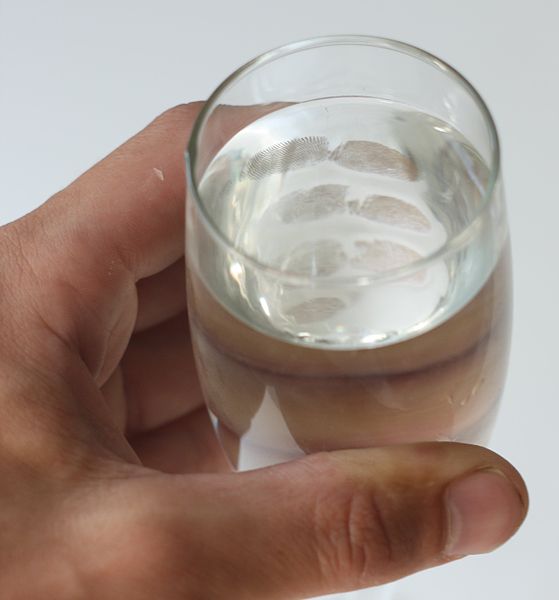
Summer 2012 has been exceptionally hot in the USA! States from shore to shore have experienced record high temperatures and stifling humidity. When the weather is over 100 degrees Fahrenheit, it might be best to exercise indoors or to dial down the level of intensity for your outdoor workout. It is especially important to take it easy when the humidity is high. High humidity prevents your sweat from evaporating to cool your body. You can become overheated quickly on hot, humid days. Heat exhaustion and heat stroke can be life-threatening. Seek immediate medical attention if you feel dizzy, nauseous or pass out. In addition to switching to light exercise or exercising in an air conditioned gym or at home, remember to drink plenty of water! Hydration is essential all the time, but critical when the weather is hot.
Your body loses a lot of water through sweating and cellular activity when you exercise. Drink water before, during and after exercise. Drink at least 16 ounces of water 1 1/2 hours before you start to exercise. During your workout, drink 6 to 8 ounces of water every 15 minutes. Drink at least 16 ounces of water immediately after your workout. 
Water is best to keep your body hydrated. Sports drinks that replace salts, minerals and balance your electrolytes are also a good drink during and after your workout. You lose sodium, potassium and magnesium when you sweat. Sports drinks can help replace these essential minerals. Some sports drinks contain glucose to help replenish your blood sugar levels. Read the labels on sports drinks to determine which minerals and nutrients are contained in the drink. A sports drink should provide some carbohydrates, potassium, sodium, glucose, and magnesium. Flavored water drinks that contain additional nutrients, such as vitamin A, C or D, may be a good choice. Avoid carbonated drinks because the bubbles in the drink may cause stomach upset. 

Dealing With Muscle Soreness

Photo Credit: Public Domain
The sore muscles you feel the next day after a strenuous workout is delayed onset muscle soreness. It is thought that muscle soreness is caused by tiny tears in the muscle tissue. The soreness usually goes away in a couple of days. Once you experience muscle soreness, apply ice to the affected area. Take an over-the-counter anti-inflammatory pain reliever if necessary. Muscle soreness may develop after trying a new exercise or increasing the intensity of your workout. The good news is that once your muscles repair and adjust to the new exercise or the increased intensity of your workout, you should not experience muscle soreness again when doing the same exercise. You may not be able to completely prevent muscle soreness, but there are some things you can do that may help reduce soreness and heal more quickly. 
Stretching your muscles prior to working out may help reduce delay onset muscle soreness. Stretch your arms, legs and back before working out to get your muscles ready for more intense exercise. Some fitness experts claim that stretching prior to working out has little or no effect to prevent or lessen muscle soreness; however, stretching is good for your muscles and joints. Stretching should also be a regular part of your fitness routine. 
Do not do the same exercise routine on consecutive days. Give your muscles 24 hours to heal. For example, if you lift weights on Monday, skip lifting weights on Tuesday and do some aerobic exercise instead. Lift weights again on Wednesday. Your muscles should be healed and ready to tackle weights again after a day of rest. 
Gradually increase the intensity of your workout to help reduce the level of muscle soreness. If you’ve been doing biceps curls with 5 pound dumbbells, don’t suddenly move to 10 pound weights. Add weight gradually, 1 or 2 pounds at a time, to give your muscles time to adapt and strengthen. Keep moving. If you develop muscle soreness, try light exercise to increase blood flow. 

Yoga And Sports

Photo Credit: lululemon athletica CC-BY-2.0

Yoga has been practiced for thousands of years. Yoga involves physical exercise and has numerous health benefits, with a focus on the mind/body connection. The yoga participant practices controlled breathing, meditation and body postures to increase awareness of the mind/body connection to improve physical health. An increasing number of athletes are practicing yoga, particularly the stretches, as part of their athletic training. Athletes benefit from the increased flexibility, strength and endurance of their bodies. Yoga can help improve agility and increase concentration. Yoga stretches can be an excellent way to improve your flexibility and physical fitness.
Yoga isn’t all about twisting your body like a pretzel. There are different styles of yoga. Some styles focus on power and vigorous movements to improve muscle strength, like ashtanga. Other styles, such as hatha, focus on precise poses and controlled movements, which improve strength and endurance.  
Yoga neck exercises help to relieve tension in the neck, shoulders and upper back. Tension in the neck can result in poor posture, stiff joints and even headaches. Yoga neck exercises can help to alleviate tight muscles and increase flexibility of the neck muscles. It also helps to strengthen muscles in the neck and shoulders. 

Practitioners of yoga can improve lung capacity by engaging in deep breathing. Yoga breathing exercises focus on deep, long breaths. Deep breathing stimulates the body’s relaxation response. Improving lung capacity and relaxing the body improves sports performance and increases your body’s endurance. Practiced, controlled breathing also improves concentration, which translates to improved athletic performance. 
Pregnant women and people with bone conditions, such as osteoarthritis, should not begin practicing yoga before seeing their doctor. Yoga should not cause pain. If you feel pain, stop immediately. If you experience lingering pain, see your doctor immediately. Should you become dizzy or feel faint, stop immediately and seek medical attention if these feelings persist. 

At-Home Fitness

Photo Credit: Loveobx23 CC-BY-SA-3.0
If an expensive gym membership is not for you, you can get fit in the privacy of your own home. You don’t need expensive equipment or a monstrously huge piece of exercise equipment. If you can walk, bend and stretch, you can get a good workout at home. 
Do some arm exercises using a gallon of milk or some large cans of vegetables. Hold the milk container by the handle and bend your elbow back and up to exercise your triceps in the back of your arms. This is an area that is tough to exercise, but it’s essential to exercise this area or you could end up with those flabby bat-wings! Chair dips also work the triceps to tighten and tone the back of the arms. Squat down with a chair behind your back. Place your hands behind your back on the seat of the chair. Hold your body weight on the balls of your feet and your hands. Lower your body weight down toward the floor and then push your body back up using your arms. 

Resistance bands are inexpensive but very effective to work every part of your body. You can loop them around your ankles or attach a resistance band to a door frame to perform leg exercises. Pull the band by straightening your leg and pulling back, and then pulling out to the side to strengthen the back and inside of the thighs. Pull resistance bands with your arms to strengthen your biceps, chest, shoulders and upper back muscles. 
Push-ups, sit-ups, planks and pelvic lifts work your whole body from your arms to your legs. You can do these at home while watching television or before breakfast. After work is a great time to do some exercise, because you will feel more energized after a long day at work. Aerobics exercise programs on television, via computer videos or DVDs. You can follow along with step-by-step instructions in the privacy of your home. 

Dangers Of Belly Fat

Obesity Statistics Centers For Disease Control
Extra body fat anywhere can be detrimental to your health, but belly fat seems to be especially unhealthy. Fat in the abdominal area contributes to diseases, including type 2 diabetes and coronary artery disease. With obesity and it’s devastating health consequences reaching near epidemic proportions in the USA, it’s critical that people eat healthier foods and get more exercise. It’s nearly impossible to burn fat from just one area of the body. Spot reduction does not work well to rid your belly of fat. Exercises, including crunches and sit-ups, will strengthen your abdominal muscles but won’t burn fat. The best way to lose belly fat is to eat a low-fat diet and exercise regularly. Aerobic exercise, combined with core-strengthening exercises and a low-fat, high-fiber diet, can be effective at burning belly fat.

Start by making a commitment to change your diet and get at least 30 minutes of exercise every day. You don’t have to give up all your favorite foods, but you should be aware of the amount of fat and sugar in the foods you eat. Start small. Cut in half the number of sodas you drink every day. Trade every other soda for a glass of water or a bottle of flavored water. Instead of ice cream or a slice of cake for dessert, try some low-fat yogurt with fresh berries. Snack on nuts and fresh fruit instead of potato chips and candy bars. Small changes can lead to big changes in your health and your figure. Build on these changes and continue to substitute healthier foods for fatty, high-sugar, high-calories dishes. 
You don’t have to join the gym to get plenty of exercise. Simple changes in how you get around town can have a big impact on your body and your health. If you enjoy shopping at the mall, park your car as far away from the mall entrance as possible and walk. Take the stairs instead of the elevator or escalator. Walk around your block in the morning before work and again after dinner. Ride a bicycle to work. Make Saturday mornings game day with your kids. Play a game of one-on-one basketball in your driveway or toss a baseball. Gardening and mowing your own lawn are great exercises, too. 

Resistance Band Butt Exercises

Photo Credit: Velislav Panchev CC-BY-SA-3.0

Resistance bands are an excellent alternative to lifting weights to firm and build muscle. Resistance bands can be used just about anywhere, at home, at the gym or at work. Resistance training with equipment like resistance bands causes the muscles to contract. Repeated contraction and relaxation builds muscle tissue and strengthens the joints. Resistance bands are available in a variety of resistances from light resistance to extremely firm resistance. Resistance bands are also inexpensive when compared to free weights and other exercise equipment. They can be attached to a door jam with a door mount or securely attached to a wall with a resistance band wall mount. Resistance bands are also available in a loop design for use with the legs and arms. Be sure that your band is securely attached to a door or to a wall mount before you exercise. Unsecured bands can slip and snap back, which can cause injury. Always inspect your bands for weak areas or tears. Don’t use a band that has nicks and tears since it could break and hurt you or hurt someone standing nearby. 
To work the hips and buttocks, do some hip adduction exercises. Stand perpendicular to a wall mount or a doorway where the resistance band is attached. Wrap the band around your ankle. Spread your feet apart until there is slight resistance on the band. Make sure you have your balance or place your hand on a sturdy chair for balance. Pull the band across the front of your body with your leg stretched straight out. Pull as far as you can until you feel the muscles of your hips and thighs stretch. Repeat this exercise 10 times with each leg for a firmer butt and thighs. 
The butt stretch resistance band exercise will firm and tone your buttocks as well as slim and tighten up your abdominal muscles. Loop an ankle resistance band around both of your ankles and get on your hands and knees on the floor. Stretch our body out until your weight is supported by your hands and your toes. Slowly lift one leg straight up toward the ceiling, pulling the band as far up as you can. Hold the stretch and then relax. Repeat this exercise 10 times with each leg for tight firm buns and a strong core.