Avoid Low Back Pain At Work

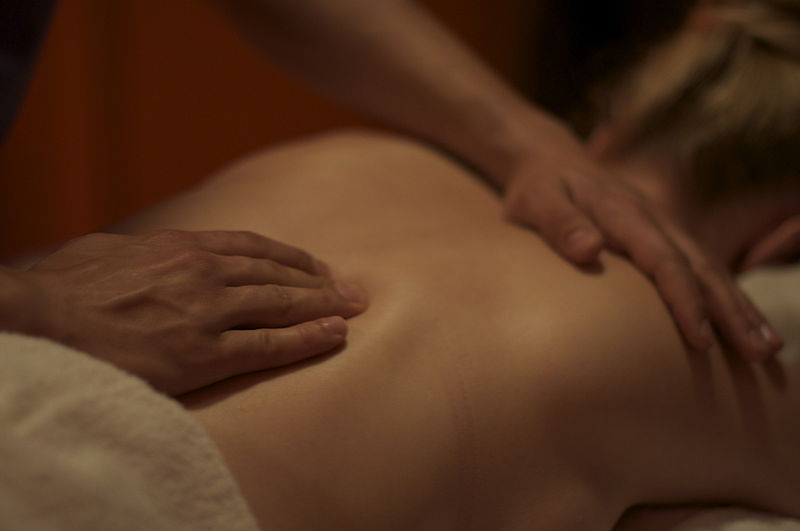
Photo Credit: Nick Webb CC-BY-2.0
Millions of people suffer from low back pain. Some aches and pains may be caused by your work. Most minor back pain is caused by muscle strain from lifting, repetitive movements or sitting in one position for extended periods of time. Whether you lift boxes or sit at a computer screen all day, you can suffer from low back pain. You can reduce your risk of low back pain by doing exercises that strengthen your back muscles, employing proper lifting techniques and taking frequent stretching breaks if you sit at work. 
Sitting in front of a computer screen or at a work station for hours can contribute to low back pain. Take  3 to 5 minute break once each hour to stand up and stretch your back muscles. Put your hands on your hips and twist to the left and then to the right. Raise your arms over your head and reach for the ceiling to stretch the muscles from your shoulders down to your buttocks. You should have a chair with proper back support. Use a rolled-up towel between your lower back and the back of the chair if your chair does not provide enough support. Avoid slumping in your chair by maintaining good posture while sitting at your desk. Keep your shoulders back and hold your head up straight so that the bottom of your chin is parallel to the floor. 
Avoid low back pain and muscle injury by using lifting techniques to protect your back. If you lift heavy objects at work, always use proper lifting techniques or get help lifting very heavy objects. Lift heavy boxes and other objects by planting your feet shoulder-width apart and stand close to the object. Bend down from your knees, not your waist. Keep your back straight as you lower your body by bending your knees and get a firm grasp on the object. Squeeze your abdominal muscles for support and lift the object using your legs. 
Exercise that strengthens your back muscles is the best way to prevent and to relieve chronic low back pain. Exercises that strengthen your back and core muscles will help prevent lower back pain. Stretching exercises can help improve your flexibility. Maintain a healthy weight, too. You are at greater risk of low back pain if your are overweight. 
Avoid Poison Plants

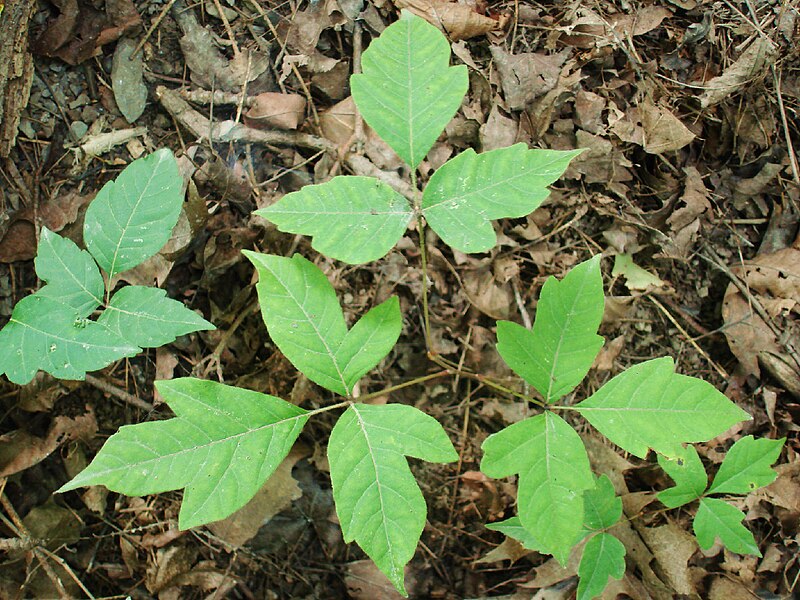
We’ve talked about how to protect yourself from stinging and biting insects when exercising outdoors, but there are also plants that you should avoid. Many people will experience an allergic reaction on the skin when they come into contact with poison sumac, poison oak or poison ivy. These plants exude an oil called urushiol which can cause a painful, itchy rash and sometimes blisters. The rash usually does not appear before 12 hours after exposure and can occur up to 72 hours after you come into contact with one of these plants. Learn to identify these plants so you can avoid contact and reduce your risk of an itchy rash.  The saying “leaves of three, let it be” is a good way to identify most poisonous plants. Poison ivy, poison sumac and poison oak all have three leaves on the end of a stem.
POISON IVY Photo Credit: Stilfehler CC-BY-SA-3.0
 Poison ivy grows in shady, wooded areas. It grows in a low bush or can trail up a tree or fence like a vine. The whole plant is poisonous. The stems, leaves, flowers and the roots can cause a skin rash. You can even get a rash from touching clothing that has been exposed to the urushiol on this plant. Wear long pants and long sleeves if you plan to walk or jog in wooded areas or along a path where poison ivy is growing. A slight brush against the leaves or stems is enough to cause a rash. Poison ivy also grows in residential areas along fences and on tree trunks. Keep fence lines trimmed. Wear protective clothing, gloves and a face mask when removing poison ivy from your fence or tree.
POISON OAK Photo Credit: Tim Vasquez CC-BY-SA-3.0
Poison oak also has a 3-part leave group on the end of a stem and usually grows low to the ground. The leaves have a jagged edge much like an oak leaf. The leaves change color with the season and may be dark green in the spring and early summer but change to a yellow, a rich red or a reddish-black color in the fall and early winter. Poison oak has small green berries that turn to a pale white-green in the summer to early autumn. There is so much urushiol in this plant that the leaves are shiny with the oil. Poison oak, like poison ivy, grows in a low bush or can climb trees and fences like a vine. 
POISON SUMAC Photo Credit: USDA PD
Poison sumac leaves are smoother on the edges and often have a mottled dark green, red, brown, yellow appearance with black spots. The black spots are the areas where the urushiol is excreted. Poison sumac usually grows in damp or swampy areas. It prefers shade to sunlit areas. Poison sumac grows as a small shrub and can achieve the size of a small tree. Each leaf group has a row of paired leaves on the stem with the third leaf on the end of the stem. 
If you do come into contact with one of these poisonous plants, DO NOT TOUCH YOUR FACE OR RUB YOUR EYES. You could transfer the oil to your face and eyes. Wash the affected area with soap and cool water as soon as possible. Wash your clothes and shoes as well. A rash can develop from contact with the oil from these plants on clothes and shoes. Calamine lotion can help relieve the itching if you do develop a rash. Do not pop blisters as this will spread the rash. See your doctor if the rash becomes painful or does not clear up in a few days. 

Help Your Kids Be More Active

Photo Credit: Alina Zienowicz CC-BY-SA-3.0

Childhood obesity is a growing epidemic in the United States. A staggering 12.5 million children in the USA are obese. When children are obese they can suffer from many of the same weight-related illness as adults. Children can develop high blood pressure, high cholesterol, breathing difficulties like asthma and joint problems. Children need a healthy diet and plenty of exercise to avoid gaining too much weight.  It can be difficult to get the kids off the sofa, away from the video games or television shows and outside to play. Some children are less active than others or may not like playing team sports. If you have a sedentary child in your family, there are ways to get them up and get them moving. 
Set a good example for your child by eating healthy and getting plenty of exercise yourself. Many people like to sit in front of the television, feet up with a soda and a snack after a day at work. Your children are likely to follow your example. Make it a habit to take a walk around the block after work. Invite your child to join you. You can encourage your child to join you on walks by providing a reward after you return home. A refreshing cup of fruit sorbet or a cool fruit smoothie is a delicious, healthy treat after a walk.
Limit the amount of time your child spends on the Internet, in front of the television or playing video games. Children should spend no more than 2 hours each day on the computer, playing games or watching television. Inevitably your child will claim boredom and want to watch television or play a video game. Invite your child to join you in gardening, lawn work, playing a game of one-on-one in the driveway or play tag in the back yard. Give your child daily chores that require exercise, such as walking the dog, taking the trash to the curb or walking to the mailbox. Any amount of exercise is better than no exercise. Don’t put a television in your child’s bedroom. Kids tend to head straight for their bedroom after visiting the refrigerator for a snack where they lounge on the bed doing homework with the television turned on. Create a schedule that gets your child moving. Busy families can schedule one day each week when the whole family engages in some form of exercise. You can do many things together, from walking in the park, riding bikes, nature hikes or taking the dog to the dog park for a couple of hours of fetch and running. 
Enroll your child in team sports like soccer, baseball, softball or basketball. Children that do not enjoy team sports may be interested in karate or taekwondo. Try to find activities that you and your child can do together. The YMCA offers seasonal sports activities and most centers have a swimming pool that the whole family can use. Take advantage of community activities for your child. Community charity walks are a good way to get fit and raise money for a worthy cause. Whatever your fitness plan, your kids have to enjoy it if they are to continue and benefit from regular exercise. If your child complains or lags behind when exercising, find another activity that he or she might enjoy. Ask your child to share his or her ideas about games to play or places to go to enjoy some exercise and have fun. 

Fat Burning Treadmill Workout

Photo Credit: Kristan Hutchison National Science Foundation

Interval training is a form of exercise where you engage in vigorous exercise for a fixed amount of time, decrease the level of activity and then do vigorous exercise again. Interval training can help improve your speed, strength, endurance and burns fat. Your heart rate is a good indication of how hard you are working your body. Work out hard to increase your heart rate, then recover by allowing your heart rate to slow during moderate to mild exercise interval.  You can use a treadmill at home or in the gym to get a good interval workout in about 30 minutes. Warm-up by stretching your muscles and to increase flexibility in your joints before mounting the treadmill. This workout is easy to do but will really help burn fat and increase your physical endurance. 

Begin by setting the treadmill at an incline and walk at a rapid pace for 10 minutes. Keep your elbows above your heart but try to avoid using the handrails for a better workout. After about 10 minutes of power walking at an incline stop the equipment and get off. Do some stretching exercises for 5 minutes. Lower the incline on the treadmill to zero for a flat surface. Jog or sprint on the treadmill for 1 minute, and then reduce the speed to a walking pace for 5 minutes. 
After walking for 5 minutes, get off the treadmill. Do 20 squats. Return to the treadmill and repeat the 1 minute of sprinting, 5 minutes of walking. Stop and do 15 crunches. Return to the treadmill and again repeat the sprinting-walking routine. Do some stretches to cool down and finish up your exercise routine. 

Beware of Bugs When Exercising Outdoors

Photo Credit: John Sullivan PD
Many people exercise outdoors, especially during warm weather. When the weather is warm, the bugs come out! The more time you spend outside, especially in rural areas, parks and other wooded areas the more likely you are to be bitten by a bug or stung by a bee. Spiders, bees, mosquitoes, wasps and ticks live in most every part of the United States. Stinging and biting insects are found even in cities. Insects and spiders can make you sick in addition to leaving a painful, itchy, swollen bite on your skin. Most insect bites cause only a mild reaction but sometimes insects and spiders can make you very sick or even cause severe allergic reactions which can be life threatening. When you exercise outside during warm weather, take measures to protect yourself.
Use an insect repellent to protect yourself from flying insects, like mosquitoes and bees. You can apply an insect repellent over your sunscreen, but avoid using repellents on your face or other sensitive areas of the skin. There are over-the-counter products that combine both a sunscreen and an insect repellent. Choose a natural, herbal and essential oil insect repellent if you don’t want to use a chemical concoction. Health food and herbalist stores can help you find the ingredients to make your own natural repellent or you can buy pre-mixed natural insect repellents in some stores.
Learn your local flora, find out when the plants bloom and which insect pollinators are attracted to the flowers. Most wild flowering plants bloom for a short time. Should you be stung by a bee while walking, running or jogging outdoors, remove the stinger as soon as possible. Bee stingers are barbed to hold them in the skin. Bees leave the stinger and the venom sack behind in your skin. Don’t pinch the stinger with tweezers to remove it or you could squeeze more venom into your skin. Scrape the stinger out of your skin by dragging a flat, straight-edge object, like a credit card, across the stinger. If you are allergic to bee or wasp stings, you probably should avoid areas where bees and wasps will be attracted to flowering plants.

Ticks live almost everywhere, especially in wooded areas and tall grass. Ticks can carry diseases like Rocky Mountain Spotted Fever, Lyme Disease or tularemia. Ticks bite by burying their tiny heads in your skin and sucking blood. Remove a tick with tweezers by grasping the tick as close to your skin as possible and pulling it straight out. Wash the affected area with soap and water and treat it with an antiseptic. If you enjoy hiking, walking and exploring in wooded areas, wear light color clothing to make it easier to see ticks on your clothes. Wear a long sleeve shirt and long pants with the cuffs tucked into your socks to prevent ticks from getting inside your pants.

Nutrition for Older People

Photo Credit: Brian Donnelly for CDC PD

Good nutrition is important at every age, but it is especially important to eat a variety of foods when we become older. Older people may be at risk for age-related diseases, such as stroke, heart attack, osteoporosis, arthritis and diabetes. A life-long healthy lifestyle is the best way to reduce your risk of age-related disease, but it is never too late to start eating a healthy diet. Older people are at risk of losing muscle mass. Protein is critical to maintain muscle mass and to repair injured muscle tissue. Eggs, fish, poultry and lean beef are good sources of protein. Nuts, soy and low-fat dairy also provide sufficient protein to help maintain muscle mass. Adequate protein and remaining active can help reduce age-related muscle loss. 
Older people who may not be as active as others need fewer calories but still need carbohydrates for energy. The sugar fructose in fruits and lactose in milk and dairy products can help you boost your energy level. By eating a variety of fresh fruits and vegetables, you will provide your body with vitamins, fiber and trace minerals that are necessary for good health and keep your energy levels up. Some aging people are less active so they need fewer calories. Try to stay active throughout your life, but adjust your caloric intake to account for less activity. Your doctor or a dietitian  can help you determine your energy needs and adjust your diet to meet calorie needs. 
Limit the amount of fats in your diet. Replace saturated fats from beef, butter, high-fat dairy, processed foods and margarine with natural oils like corn, soy and olive oils. Many processed foods including cookies, frozen foods, crackers and read-to-serve packaged meals contain hydrogenated fats also called trans fats. These fats can cause plaque buildup in your arteries, which can increase your risk of cardiovascular disease.  Remain active as long as you can by walking, swimming and stretching your body. Remember to drink plenty of water to stay hydrated. 

Avoid Exercise Injury

Photo Credit: Peter van der Sluijs CC-BY-SA-3.0
No one is immune from workout injuries, but you can take steps to reduce your risk of injury. The most common type of workout injuries are strained muscles, knee and ankle sprains, shin splints, wrist sprain, shoulder injuries and tendinitis which is painful inflammation of the tendons from overuse. See your doctor if the pain persists, there is swelling or discoloration of the injured area. Always see your doctor for a full checkup prior to beginning an exercise program if you have been inactive for a long time or have a medical condition, such as high blood pressure, heart disease or diabetes. 
You can reduce your risk of strains and sprains by warming up before exercise and cooling down after a workout. Warming up gradually increases your heart rate and helps your muscles and joints prepare for more strenuous exercise by increasing blood flow. Cooling down will gradually return reduce your heart rate and allow your muscles and joints to relax following exercise. Stretching, walking and riding a stationary bicycle are good ways to warm up and cool down. Warm up and cool down for at least 10 minutes. 

Begin a new exercise by gradually increasing the level of your workout. For example, when you begin lifting weights start with the lightest weight possible. Don’t grab a 10 pound dumbbell and start doing bicep curls if you’ve never used them. Start with a 2 pound weight and gradually work toward the heavier weights. Don’t try to walk 2 miles if you haven’t been walking further than the distance between your car and your front door. If you overdo it you risk sore muscles and injury. 
Always use correct form when performing any exercise. Seek instruction from a qualified fitness instructor. Performing an exercise with poor form can result in injuries, especially when lifting weights or using resistance bands. Your posture is critical to effective exercise and to avoid injury. 
Cross training can help you prevent over-use injuries that are caused by repetitive motions. Alternate days for lifting weights and running or jogging. A fitness trainer can help you to develop a weekly plan so that you work a different muscle group each day. Cross training allows your muscles to rest between workouts. 

Should You Take Vitamins?

Photo Credit: Ragesoss CC-BY-SA-3.0

Vitamins are necessary for nearly every bodily function. Some vitamins are essential to your health: Vitamins A, C, D, E and K. You also need all of the B-vitamins including riboflavin, niacin, thiamine, biotin, folate and panthothenic acid. Too much of anything can be harmful to your health, and this holds true for vitamins as well. If you eat a well-balanced diet, you should be getting all the nutrition you need. Those who exercise strenuously on a regularly basis, body builders and runners may need a vitamin supplement. People who are limiting caloric intake and exercising to lose weight may also need a vitamin supplement. Pregnant women and women who are breastfeeding may also need to take a vitamin supplement to help prevent neural tube birth defects, like spina bifida. See your doctor if you think you need a vitamin supplement. 
An over-the-counter vitamin supplement may be necessary, especially for body builders and people who engage in frequent, vigorous exercise. Should you decide to take a vitamin supplement, consider taking a multivitamin. Choose one that does not contain ingredients that you may not need and may cause an adverse reaction. Some multivitamin supplements contain herbal extracts, which you don’t need and don’t want to take. Always read the label before taking a multivitamin. 
Consider your current health, your diet, your fitness level and how much you exercise and talk to your doctor before taking a vitamin supplement. A dietitian can help you to assess your nutrient intake from the foods you eat and help you adjust your diet to get more nutrients. 

For more information about vitamins see:

30 Minute Lunch Break Workout

Photo Credit: Alchaemia CC-BY-3.0 2010


Is it really practical to work out during your lunch break at work? Lunch break workouts can be highly effective and energize you for the rest of the work day. It will take a little bit of planning ahead, but you can make the most of your break with an in-office workout for your whole body. Take a lunch break workout every other day, such as Monday, Wednesday and Fridays.  If you have access to a gym and showers at your place of work or a gym nearby, take advantage of the opportunity. If the nearest gym is too far away or too expensive, you can still get a pretty good workout right in your office.
Pack a light lunch of fruits and vegetables on the days you plan to workout and bring some comfortable exercise clothing. Change into your workout clothes and take a brisk walk to a nearby park or ride a bicycle for 30 minutes. When the weather does not permit outdoor exercise, stay in and work out in your office or in the company fitness center. Some exercises you can do right in your office or in the company break room are squats, leg stretches, isometric wall push exercises, push-ups, sit-ups and stretches. Exercise for 20 to 30 minutes, three times each week, if you have an hour break. Exercise for 15 minutes if your break is only a half hour. Spend 5 minutes warming up with some stretches and use the last 5 minutes to cool down with some stretches.
Many city parks provide bike and walking trails where you can get a good workout by taking a brisk walk, a power walk, jog for 20 minutes or ride a bicycle. During warm weather, you can exercise for 30 minutes and then enjoy a healthy lunch in the park. If your line of work or inconvenient location prevents you from getting exercise during your lunch break, take 30 minutes immediately after work to exercise. You will feel more energized and less tired, even after a long day at work.


Food for Men’s Health

Photo Credit: Matti Paavonen CC-BY-SA-3.0

Men’s nutritional needs differ in some ways from women. Just as women need more folic acid and iron during pregnancy or eating a low-fat diet may reduce the risk of breast cancer, men have specific nutritional needs, too. Nutrients to build muscle mass, reduce the risk of prostate cancer or to increase stamina can be found in the foods men eat. A nutritious, balanced diet, exercise and avoiding alcohol and tobacco are the best ways to stay healthy. Some foods contain more of the nutrients that contribute to a healthy male body. 
Zinc is an essential antioxidant trace element that the body uses to repair cell damage. A diet that includes sufficient zinc may help reduce the risk of prostate and other cancers due to its role in cell repair. Oysters are rich in zinc. Other foods that are rich in zinc include lean beef, legumes, pork and shellfish like crabs and lobster.
Fatty fish provide healthy omega-3 fatty acids that benefit the circulation, the heart and the immune system. Omega-3 fatty acids are also a powerful anti-inflammatory that can help reduce fat levels in the blood and improve muscle pain.  In addition to omega-3 fatty acids, fish also provides vitamin D which is essential to bone health. Salmon, tuna, mackerel and sardines are rich in omega-3 fatty acids. Walnuts, canola oil, and eggs also provide omega-3 fatty acids.
The foods we eat contribute to the cholesterol levels in our blood. High LDL (bad) cholesterol can lead to many health problems, including heart disease and some cancers. Stanols are a substance that occur naturally in many fruits and vegetables. Stanols help to lower LDL cholesterol. Plant stanols are found in foods like granola, cheese, soy, orange juice, whole grain bread and even in dark chocolates. 
Vitamin C is an antioxidant nutrient that not only helps boost the immune system, but also helps keep the skin healthy. Vitamin C is essential to collagen tissue health and repair of skin cells. Bright colored fruits and vegetables are richest in vitamin C. Vegetables also contain beta-carotene and potassium, which may aid in reducing the risk of an enlarged prostate.