Smart Workouts

Photo Credit: Kelly Gary USDOD PD
There are many myths about exercise. Despite the infomercials and wild promises, losing weight and getting in shape requires regular exercise and a healthy diet. There is no “magic” pill or overnight miracle exercise. You can make the most of your exercise program to shed more pounds faster and avoid injury. Make the most of the time you do have for exercise by working out smarter, not harder.
You’ve probably heard the expression “no pain, no gain.” Exercise shouldn’t cause pain. You may experience some mild soreness in your muscles if you are a beginner or if you try a new exercise, but persistent or sharp pain may indicate an injury. Mild soreness in the muscle tissue may be expected after a vigorous workout, especially if you try a new routine. Soreness that lasts for more than a couple of days, especially if accompanied by swelling or discoloration of the skin may indicate an injury that requires medical attention. If you feel any sudden, sharp or severe pain during exercise, stop immediately. See your doctor if the pain persists. 
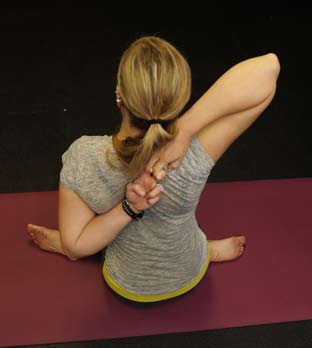
One way to exercise smarter and help avoid injury is to warm-up before and cool-down after exercise by stretching your body. Many people don’t take the time to warm-up and to cool-down because of busy lifestyles and little time. Warm-up and cool-down for about 5 to 10 minutes. The warm-up will help prepare your muscles for more strenuous exercise to help you avoid injury. The cool-down will help your muscles begin to repair any tiny tears in the tissue, which causes muscle soreness. 
To get the most out of your workout each week, balance the three types of exercise: strength training, aerobic exercise and flexibility. Strength training includes resistance band exercises, weight lifting and isometric exercises that use your own body weight to strengthen muscles, such as push-ups and planks. Any exercises that gets your heart rate up is an aerobic exercise. Walking, running, swimming, riding a bicycle or playing a high-intensity game like tennis or basketball will get your heart pumping and your body sweating. Stretching and balance exercises help improve your flexibility. Yoga, tai chi, balance board exercises or just stretching out your muscles by reaching and bending can help improve your flexibility. 
You don’t have to work out for extended periods of time. You can spread it out over the day in 10-minute intervals. Spreading out your exercise throughout the day is a smart way to workout. Everyone should strive to get about 150 minutes of moderate aerobic exercise every week. You can cut the time spent exercising in half by getting 75 minutes of vigorous aerobic exercise weekly. Exercise daily to keep your metabolism up and your body in fat-burning mode. Exercise for 10 minutes in the morning, 10 minutes midday and 10 minutes in the late afternoon or early evening to get the minimum of 150 minutes of moderate exercise each week. 
Exercise to Strengthen Hip Joints

Photo Credit: USMC PD
Hip joint pain can interfere with almost every activity. Sitting down, standing up, climbing stairs, bending and walking require flexible hip joints. You can keep your hip joints strong and flexible by riding a bicycle, swimming and walking regularly. Make sure you get enough calcium and vitamin D in your diet to avoid bone loss and weak joints, which can result in injury. There are some easy-to-do exercises that you can do every day to help strengthen your hips, pelvic area, legs and lower back. 
The pelvic tilt is a great exercise to strengthen your pelvic muscles, strengthen your spine and your hips. Lie on your back on the floor and bend your knees. Place your feet flat on the floor about hip-width apart. Place your palms on the floor beside your hips. Tighten your abdominal muscles and move your lower back downward until it touches the floor. Hold this position for 10 to 15 seconds and then relax. Repeat this exercise for 10 repetitions.
Hip flexes will stretch the muscles of your hips and improve joint flexibility. Stand up straight. Drop your shoulders and look straight ahead. Hold onto a sturdy chair or place your palm on the wall if you need help balancing on one foot. Lift your left leg off the floor and bend your knee until your thigh is parallel to the floor and your leg makes a 90 degree angle. Hold this position for 10 seconds and then slowly lower your leg back to the floor. Repeat this exercise 10 times for each leg. 

Leg lifts strengthen your hip joint as well as the muscles of your legs and hips. Lie on your left side. Bend your left leg in a 45 degree angle. Stretch your left leg out. Support your upper body on your forearm with your elbow below your shoulder. Tighten your abdominal muscles and then lift your left leg 12 to 24 inches toward the ceiling. Hold the position for 5 seconds and then slowly lower  your leg to the start position. Do 10 repetitions. Repeat this exercise with the other leg. 

Best Fruit Juices

Photo Credit: Metoc  CC-BY-SA-3.0

Juice is one of the best ways to enjoy the nutritional benefits of fruits and vegetables. There are hundreds of brands and different fruit blends to choose from. But how do you know you are getting nutrients without loading up your body with sugar, preservatives and extra calories? You have to read the label. Select fruit and vegetables juices without added sugar, sodium or preservatives if possible. Many juice-like drinks are made from 10% or less fruit juice. The rest is flavored, colored and sweetened water. Juice cocktails and juice drinks are usually sweetened with high-fructose corn syrup and provide little nutrition. Different fruits provide a variety of benefits. Apple juice, for example, is rich in fiber, vitamins A, C and B. If you like juice, try a variety made from different fruits.
Vegetable juice blends are a good way to add more vegetables to your diet. Tomato juice is rich in the nutrient lycopene and has been linked to a reduced risk of some kinds of cancer, especially prostate cancer. Beets may help keep high blood pressure in check because they are rich in potassium, magnesium, and fiber. Vegetable juices are usually low in sugar and calories, but may be high is sodium. Check the label and select a low-sodium or no-sodium added variety. 
Pomegranate juice is delicious, sweet and is packed with antioxidants. The trade-off is that pomegranate juice is high in calories, mostly from natural sugars. Cranberry juice is extolled for its beneficial effects on the urinary tract. It is also rich in vitamin C for a strong immune system. Blueberry juice and acai berry juice may have a beneficial effect on your ability to concentrate and have more antioxidants than most other fruits. Cherry juice has anti-inflammatory antioxidants and grape juice is rich in the antioxidants. Orange juice is known to be loaded with immune-boosting vitamin C. Prune juice is high in fiber and iron. It also contains a sorbitol, which is a laxative and can help keep your digestive system regular. Like most other fruits and juices prunes also contain antioxidants and potassium. 

Exercises for Shoulders Strength

Photo Credit: Carine06  CC-BY-SA-2.0
Shoulder injuries usually result from overuse of the muscles and joints. Bursitis and tendinitis are common injuries for those who use their arms in an overhead motion like swimmers, tennis players or baseball players. These injuries cause pain in the joint and radiating down the arm. Shoulder injuries are especially painful when the arm is raised over the head. Strengthening the muscles in the shoulder area may help to prevent shoulder injuries. Inchworm crawls and raised-leg push-ups will strengthen your chest and shoulders as well as your abs and legs. Keep your spine straight while doing these exercises and resist the urge to bow your back upward. 
Begin by standing with your feet about hip-width apart. Squeeze your abdominal muscles and then bend forward until your palms are on the floor in front of your feet. Keep your knees straight. Your body should form an inverted “V” shape. Walk forward on your hands until the heels of your feet lift off the floor. Hold this position for a couple of seconds and breathe. Continue walking forward on your hands and lowering your body until you are in a sit-up position. Keep your spine in a straight line from your head to your heels. Do a couple of push-ups and then slowly lower your entire body straight down until your chest touches the floor. You can allow your elbows to extend outward from your body during this part of the exercise. Finish the exercise by slowly walking your feet toward your hands. Take small steps on your toes until you return to the inverted “V” position. Repeat this exercise until you have moved about 20 yards. 

Push-ups are another exercise that will help to strengthen your shoulders. The raised-leg variation on the push-up is a more advanced push-up that will strengthen the shoulder and abdominal muscles. Begin in the standard push-up position with your hands beneath your shoulders, arms straight and body forming a straight line from your head to your heels. Rest your lower body weight on your toes. Before beginning the downward phase of the push-up, raise one leg toward the ceiling. Lift your leg about 6 to 8 inches above your other leg and point your toes. Perform 10 to 15 push-ups and then lower your leg. Raise your other leg and repeat. 

Lifestyle Changes for Better Fitness

Photo Credit: Tuomas Työrinoja CC-BY-3.0

Losing weight and getting in shape can be challenging, especially if you’ve been sedentary for years. You need to exercise to lose weight, but your calorie intake has to be adjusted as well. Many people exercise every other day, sometimes daily, but the pounds just aren’t coming off. Exercise alone can’t help you take off those extra pounds. You have to burn more calories than you take in to lose weight effectively. This requires a balance of diet and exercise. If you are exercising and the pounds just won’t come off, a personal fitness trainer can help you develop a diet and exercise plan that may work for you.
One of the biggest enemies of weight loss is underestimating the number of calories and the amount of food you actually consume. Burning 1,000 calories won’t help you lose weight if you consume 1,000 calories right after your workout. Cutting back on calories and exercising regularly are only part of a total fitness program. Going to the gym for 30 minutes three times each week will help you build muscle and improve your overall fitness, but if you are sitting down the other 4 days each week you won’t see much progress in weight loss. The most effective way to get fit, lose weight and stay fit is to lead an active lifestyle. Even if you work 8 to 10  hours a day in an office sitting in front of a computer, there are things you can do to be more active. 
Move your body to help burn calories and get fit. If you drive to work park your car a couple of blocks from work and walk. Take the stairs instead of the elevator. Stand up and stretch your body every hour. Walk to the water cooler for a drink every hour instead of sipping on a high-calorie soda. Eat a low-calorie, high fiber breakfast each morning and take nutritious snacks to work. Drink plenty of water during the day. Increase the amount of vegetables and fruits in your diet. Include whole grains, rice and legumes in your diet. Reduce the amount of red meat in your diet. Eat more fish and poultry if you don’t want to give up meat. Avoid keeping snacks in front of the television or replace chips and popcorn with dried fruits and nuts. You will eat more than you think when watching television. Keep going to the gym but stay active every day. 

Staying Hydrated With Overactive Bladder

Photo Credit: Public Domain
You know how important it is to stay hydrated during exercise, especially if you do moderate to intense exercise for 30 minutes or longer. You should drink water before, during and after your workout to avoid dehydration and excessive fatigue. But what if you suffer from an overactive bladder? Won’t drinking all that water result in numerous bathroom breaks, which can interfere with your workout? There are many ways to help keep your overactive bladder in check. See your doctor if you are going to the bathroom more frequently than is typical for you to rule out other conditions such as diabetes. Only your doctor can diagnose the cause of frequent urination. If you have been diagnosed with overactive bladder, there are some things you can do to help alleviate your symptoms. Overactive bladder does not have to be a problem during exercise. 

Cut down on the amount of caffeine and alcohol in your diet. Caffeine and alcohol can irritate your bladder and increase the urge to go to the bathroom. Caffeine is a diuretic which can cause you to urinate more frequently. Cut back on coffee by drinking no more than 2 cups of coffee before lunch and do not drink caffeinated coffee after lunch. Avoid caffeinated sodas and energy drinks, which are often loaded with caffeine. Try to limit your alcohol intake to no more than one drink per day. Cut back on salty and spicy foods that will make you feel more thirsty. Avoid carbonated drinks, too. Add more fiber to your diet to help keep you regular to avoid excess pressure on your bladder from a full bowel. 

Drink plain, unflavored water before, during and after your workout. Sip water water in small amounts throughout your workout to avoid dehydration. Small amounts of water will be more quickly absorbed by the body. Go to the bathroom immediately when you feel the need to urinate. Don’t delay urination because holding your urine can cause more bladder problems. 


Prevention and Treatment of Shin Splints

Photo Credit: Andrey CC-BY-2.0
Runners. joggers, athletes and others who engage in high-impact aerobic exercise or sports can suffer from shin splints. Shin splints is a painful condition of the tibia and lower leg. The tibia is the large bone in the front of the lower leg, often called the shin bone. Force exerted on the shin can injure the tendons and connective tissues that attach the muscles to the tibia resulting in pain, swelling and sometimes redness. Shin splints can be very painful and may last for a few days to a week. See a doctor if swelling or redness persists and pain does not begin to subside within a few days. You can treat shin splints with ice to reduce the swelling and an over-the-counter pain reliever with an anti-inflammatory like Ibuprofen. 
You can prevent shin splints by taking  a few simple precautions. Wear a shoe designed for the type of activity you want to engage in. Runners and joggers should wear a shoe with a good arch support and enough padding to cushion the impact of the foot hitting the ground. Replace your shoes when they begin to show wear, usually after about 350 miles of wear. If you still experience shin pain, even with a good shoe, consider adding arch supports. A podiatrist can help you select an appropriate size arch support to relieve the stress on  your shin and support your feet comfortably. 
You can reduce the chance of suffering shin splints by cross-training and running on alternate days. Try swimming one day and running the next followed by bicycling before running again. You will help protect your shins from injury. Cross-training is also an excellent way to keep your whole body in shape. Strength train your leg muscles to strengthen the muscle and tendons attached to the shin. Lift weights with your legs and perform crunches and other exercises that will strengthen all the muscles of your legs. 

For more information about shin splints, see:
Mayo Clinic, Shin Splints

No Equipment Thigh Strengthening Exercises

Photo Credit: www.localfitness.com.au

Strong thighs are important for bearing the weight of your body, endurance and balance. Weak or under-developed thigh muscles may be susceptible to injury from exercise. You can strengthen your thighs without the need for equipment. Stretches and jumping exercises can help you strengthen your thighs. 
Kneeling thigh stretches are easy to perform, but don’t let the ease of this exercise fool you! It’s a powerful way to strengthen and tone your thigh muscles. Kneel on the floor or on an exercise mat for comfort. Keep your knees about hip-width apart. Your toes should be pointing at the wall behind you and your weight on your leg from your knees, down your shin and across the top of your foot. Stretch your torso up tall toward the ceiling and squeeze your abdominal muscles. Don’t drop your chin, but keep your head up looking straight ahead. When you are ready, shift your weight back and bring your hips toward your heels. Move your arms back and brace yourself by placing your fingertips on the floor on either side of your legs. Hold this position for 10 to 20 seconds and then return to the start position. Do 5 to 7 repetitions of this exercise. Increase the length of time you hold the position and the number of repetitions as your strength and endurance increase.  
Jump and reach to stretch your thigh muscles and increase flexibility. Begin by standing in an upright position with your legs hip-width apart and your arms relaxed at your side. Shift your weight back on your hips and lower yourself toward a sitting position, as in a squat. When you feel your heels lift off the floor, reach your arms upward toward the ceiling and push your body upward from your feet, through your legs and thighs in an explosive push toward the ceiling. The momentum of swinging your arms up with a simultaneous push upwards will help you reach high.

Water Exercise

Photo Credit: Orgullomoore CC-BY-SA-3.0-migrated
Swimming is one of the most effective whole body exercises you can do. You don’t have to be an expert swimmer or even know how to swim to take advantage of exercising in water. Exercise in a pool can provide a hardcore aerobic workout for your whole body, including your heart and lungs. The water will support your body, take pressure off your joints and muscles while providing resistance to help strengthen  your muscles. If you are not a strong swimmer or you don’t know how to swim, wear a flotation device and make sure the lifeguard at the pool knows you do not know how to swim. Gyms that have a pool and organizations like the YMCA frequently offer water aerobics and water exercise classes for groups if you aren’t sure how to begin or don’t want to invest in water weights. Membership fees for community organizations are usually reasonable. Gym prices vary, but most offer programs at a reasonable cost. 
The easiest water exercise to do is to walk around in the pool. Enter the pool and walk to a point where the water reaches your waist. Walk back and forth across the pool in the waist-deep water to give your legs a good workout. Swing your arms naturally as you would when walking on land. Walk using a normal gait. Avoid pushing off with your toes and don’t lean forward.  Squeezing your abdominal muscles while walking will also give your abs a good isometric workout and help keep you from leaning forward. Walk across the shallow water 15 to 20 times. When  you can do 20 laps in the shallow water without becoming exhausted, try increasing the number of laps or walking in deeper water, up to your chest. 
Incorporate some weight lifting into your water exercise by using water weights. Water weights are like foam dumbbells. They create a lot of resistance in the water. Hold the water weights in your hands with your palms facing up and raise the weights up to the level of the water to exercise your biceps. Hold the weights with your palms facing the bottom of the pool and push the weights through the water toward your back to work your triceps. Try to perform 15 to 20 each of the biceps and triceps curls or until you are tired.  
Finish your water exercise with a few laps of the pool. Even if you don’t know how to swim, you should be able to do a few laps while wearing a flotation vest. If you are uncomfortable in deep water, swim back and forth across the pool in water no deeper than your waist. 

Exercise for Menopause Symptom Relief

Photo Credit: Tom Thai CC-BY-2.0

Menopause is a normal stage in a woman’s life. Hormonal changes in a woman’s body manifest as physical symptoms, including sweating at night and “hot flashes,” moodiness, sadness, irritability and sleeplessness. It is important to remain physically active and continue to eat a healthy diet throughout life. Menopause is no time to stop exercising. Your bones and muscles will benefit from strengthening and flexibility exercises. Your mood can be improved by the release of endorphins during physical exertion. Exercise and diet are important in the prevention and treatment of diseases, like arthritis and osteoporosis. See your doctor for a complete physical and talk to him or her about continuing or beginning an exercise program to help you deal with the symptoms of menopause. 
According to the Mayo Clinic, exercise may not help to lessen menopausal symptoms, such as hot flashes and sleeplessness. The University of Maryland Medical Center states that physical exercise can help reduce menopausal symptoms, including hot flashes and improve mood. Whether exercise has a direct and measurable impact on the symptoms of menopause is less important than remaining physically active throughout your life. Walking, swimming, yoga and tai chi are low-impact exercises than can help keep your joints flexible, improve your balance and strengthen your muscles. Swimming is an excellent whole body aerobic exercise that helps to maintain cardiovascular health. Staying physically active or beginning a physical fitness program can also help you to avoid weight gain or promote weight loss. Because women tend to lose more muscle mass and add belly fat after menopause, it is important to remain physically active or begin an exercise program. You can feel better physically and emotionally by staying active and eating a healthy diet. If your symptoms are severe and interfere with your life, see your doctor for treatment options.