Healthiest Fast Food Breakfasts

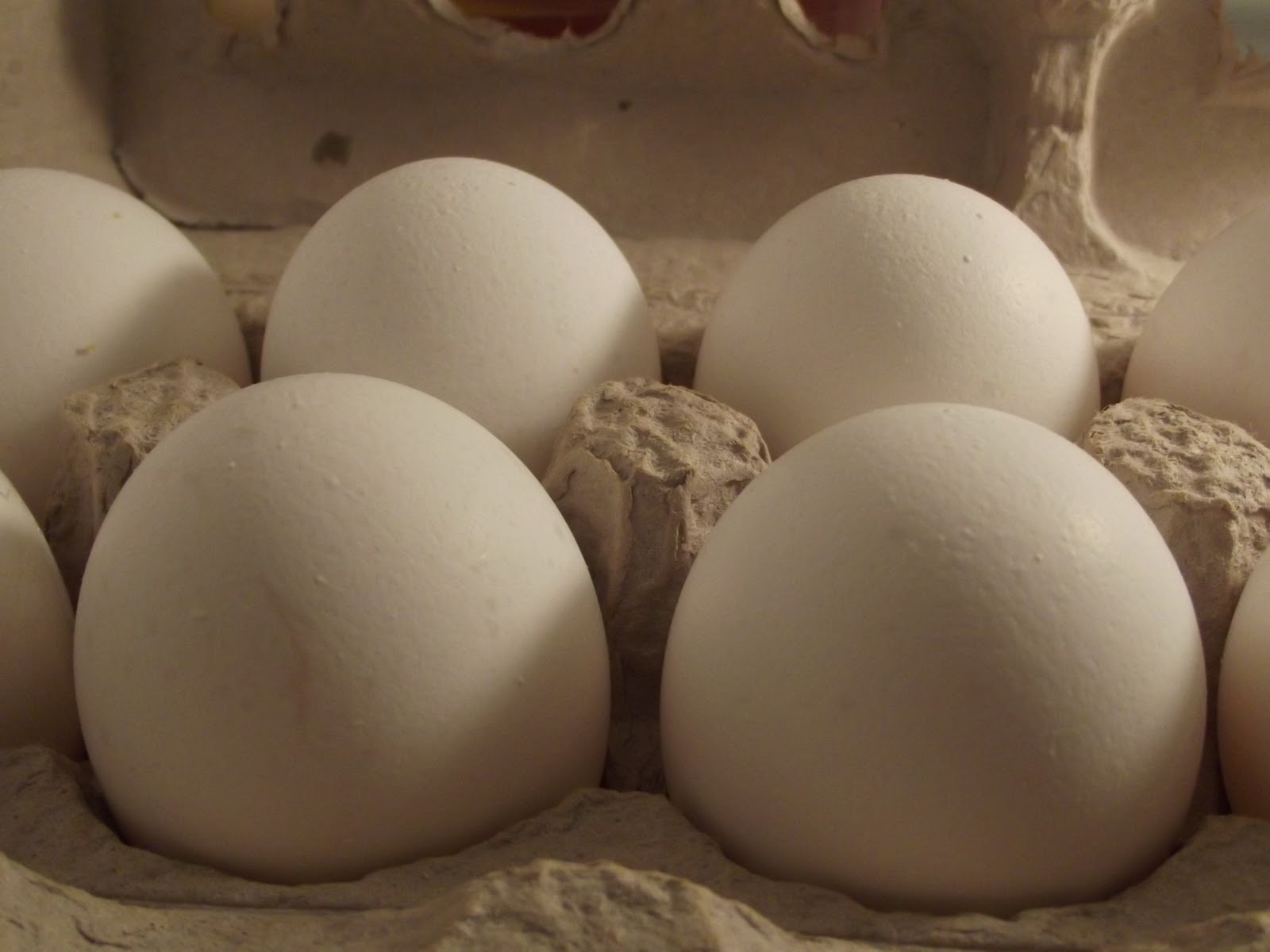
Photo Credit: H M Bascom © 2011
You know how important it is to eat a healthy breakfast. What if you are running late for work and don’t have time to prepare  your own meal? Busy people can find healthy fast food breakfast foods. Some fast food breakfast menus offer nutritional items that are high in fiber and protein, but may still be loaded with saturated fats and sugar. Many fast food restaurants make nutrition information available to their patrons by printing the information on the food packaging or providing nutrition information leaflets. Take the time to do a little research and you will be prepared to make wise fast food choices on the run.
McDonald’s is a popular fast food stop for people on the go. The fast food giant offers a wide variety of breakfast foods. According to  Elaine Magee, MPH, RD, writing for the WebMD website, the Egg McMuffin is the best McDonald’s breakfast choice with 300 calories, 12 grams of fat and 2 grams of fiber. The McMuffin does contain more than 800 mg of sodium. The hotcakes at McDonald’s is the next best fast food breakfast choice. If you skip the margarine and syrup, your hotcakes breakfast contains about 350 calories, 3 gram of fiber and 590 milligrams of sodium. 
Burger King offers some fast food menu items that contain fewer calories than the McDonald’s choices. The King’s ham omelet sandwich contains only 290 calories, but 13 grams of fat and 870 milligrams of sodium. The French toast stick breakfast contains fewer calories, about 240 but it has 13 grams of fat and 2.5 grams of saturated fat. These tasty breakfast goodies have zero cholesterol, 250 milligrams of sodium and only 1 gram of fiber.  
Dunkin’ Doughnuts offers some delicious breakfast bagels. The sweets specialist offers customers wheat, blueberry and honey bran raisin muffins. The blueberry and wheat bagel contain about 330 calories. The honey bran raisin muffin has more calories and sodium, about 40 milligrams of each, and 15 grams of fat. The blueberry bagel has 600 milligrams of sodium but is lower in fat than the other healthier breakfast options. 
It is important that you always eat breakfast. Don’t skip breakfast unless you cannot avoid it. Your body needs the nutrients and energy to function. If you have no time to make breakfast or stop for a meal, drink some juice on your way out the door. Drink a glass of orange juice or low-fat milk instead of coffee if you have to opt for a fast food breakfast.
For more information about fast food breakfasts, see:

WebMD, Best and Worst Fast-Food Breakfast, by Elaine Magee, MPH, RD, reviewed by Louise Chang, MD, 2011

Tips to Keep Your Diet Resolution

You’ve made a New Year’s resolution to eat a healthy diet and to stay on it. Now what? Where do you begin and how do you keep your promise to yourself? First see your doctor for a complete physical. Find out if you have high blood pressure, are at risk for diabetes, have high cholesterol or any other health condition that should be addressed before starting a weight-loss program. Next, take advantage of support groups and supportive friends and family to help you stay the course and reach your weight-loss goals. A dietitian can help you plan meals. A personal trainer can help you to exercise safely and effectively to achieve your goals.
Photo Credit: Evan-Amos, PD
Clean out your refrigerator, your freezer and your pantry. Get rid high calorie fatty foods. Remove potato chips, French fries, ice cream, candy and cakes. Replace these foods with fruits, vegetables, low-fat yogurt , whole grains and nuts. It’s okay to treat yourself to a few potato chips from time to time, however if they are readily available you will be more likely to over-indulge which can undermine your weight-loss goals and make you feel guilty. Buy a healthy-diet cookbook and try some new recipes to add variety to your diet.
Start a food diary and write down everything you eat and drink every day. Also write down how much you consume. Carry your diary with you so that you don’t forget to log you meals and snacks. You will be more aware of the foods you eat. You are probably unaware of just how much food, drinks and snacks you consume on a daily basis. Being aware of your food intake can help you to monitor calories and manage your weight-loss plan. 
Drink a glass of water first thing in the morning and before every meal or snack. Water keeps your body hydrated. Water is essential for healthy organs and digestion. If plain water is too boring, try flavored waters and sugar-free sports drinks to help replenish water and electrolytes. 

Don’t skip breakfast. Eating a healthy breakfast of whole grains, fruits, eggs and low-fat milk can help jump start your metabolism to burn calories all day long. It’s okay to eat your favorite foods. You don’t have to deprive yourself of cookies or pizza. The key to managing your weight-loss program and staying on a diet is to limit the portions and frequency of treats. Buy pizza by the slice instead of a whole pie. Avoid buying a box of cookies or doughnuts and buy just one treat instead.

Trade pasta for vegetables as a side dish. Instead of a serving of macaroni and cheese try some delicious steamed broccoli or grilled mixed vegetables. Use light oils such as olive oil instead of butter to help flavor your foods. Leave the snacks in the pantry when you relax in front of the television. It’s easy to consume a bag of chips or a bowl of popcorn while watching the television. Keep a bowl of fruit or nuts on the table to satisfy your snack urge while enjoying your favorite television program.

Forget about losing weight over-night. You can lose one to two pounds each week by sticking to a healthy weight-loss diet and moderate exercise like walking. Set realistic goals for yourself. Don’t give up if you don’t see results right away. Losing weight takes time and commitment, but the results will be worth the effort.

For more information about healthy diets, see:

Mayo Clinic, Healthy Diets, 2011

Healthy Hangover Helpers

Photo Credit: Public Domain

Most people celebrate the New Year with a few alcoholic drinks. Unfortunately, some people will over-indulge and may experience a hangover the next day. Hangover symptoms include headache, dizziness from dehydration and nausea due to irritation to the stomach lining. Alcohol consumption causes dehydration because it stimulates your body to produce more urine. Other symptoms include loss of memory, inability to concentrate and vomiting. You can find lots of so-called “home remedies” for a hangover, but in reality most home remedies are ineffective and may even make your symptoms worse. It is best to avoid a hangover completely by not drinking alcohol or to drink moderately.

Don’t drink coffee to help your hangover. Coffee can actually make your hangover worse because it contains a large amount of caffeine. Caffeine is a stimulate which increases your heart rate and can initially relieve a headache because it constricts the alcohol swollen blood vessels. However, once the caffeine wears off you will feel fatigued and your headache can return. Caffeine is also a diuretic which can exacerbate dehydration and make your symptoms worse.

Alcohol robs your body of potassium and electrolytes. Good foods to eat the morning after a night of drinking are kiwi and bananas. Both fruits are rich in potassium and electrolytes. A sports drink can also help relieve hangover symptoms. Eggs contain a substance called cysteine. Cysteine helps to cleanse your body of toxins that contribute to hangover symptoms. A breakfast of eggs, whole wheat toast, a banana and some orange juice can help your body recover quicker. Fruit juice or a fruit juice smoothie in the morning can help restore lost minerals, vitamins and electrolytes. Fruit juice also helps to cleanse your body of toxins.

The most important thing you can do to help prevent a hangover or to alleviate hangover symptoms is to drink water. Drinking water helps your liver and kidneys remove toxins produced by drinking. Add a pinch of salt and a pinch of sugar to your glass of water to replace your body’s sodium and glycogen stores. Drinking a glass of water between alcoholic drinks is a good idea to prevent over-indulging and to keep you hydrated. A sports drink with electrolytes also helps.

For more information and treatment tips, see:

Mayo Clinic, Hangovers: Treatment and Drugs, 2011

WebMD, 12 Myths About Your Hangover, reviewed by Brunilda Nazario, MD, June 10, 2011

Walking & Jogging Safety Tips

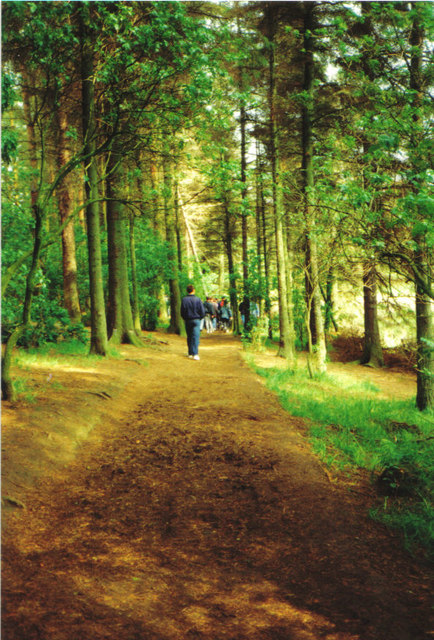
Photo Credit: Carol Walker CC-BY-SA-2.0 2010
Walking is an excellent way to lose weight, lower your cholesterol and reduce your risk of type 2 diabetes. Walking and jogging are ideal ways to get a good cardio workout and strengthen your body. If you are walking or jogging outdoors, there are a few things to keep in mind to stay safe. 
Walk or jog with a friend, a group or  in a public place where other people are around. Many public parks provide scenic walking and jogging trails. When the weather is nice, these trails attract the casual walker and serious exerciser alike. There will probably be lots of people around during pleasant weather. Some trails are closed at night and holidays, so be sure to check with city’s park management for walking trail schedules. Avoid walking or jogging in isolated areas alone or in the dark. Don’t walk in unfamiliar areas or unlit streets. If you must walk or jog alone carry personal protection, such as an emergency whistle or personal pepper spray. Contact your local law enforcement agency for training and tips about personal protection devices. Always carry your cell phone with you when walking or jogging alone. Let someone know where you will be at all times and the approximate time you should return home. Write your phone number and the phone number of a friend or relative on a sticker and attach it to your shoe lace or on  a wrist band.
Always wear a medical alert bracelet if you have any medical condition that may require emergency treatment. If you suffer from asthma, diabetes or take any type of prescription medication regularly make sure your medical alert bracelet contains this information. Don’t wear headphones and listen to music when walking or jogging in public areas or near a street or highway. You won’t be able to hear a car or a person coming up behind you. Avoid talking on your cell phone when walking. It is just as distracting to talk and walk as it is to talk and drive.  Remain alert when walking or jogging. 

For more safety tips for walkers, joggers and runners, see:
Mount St. Mary’s University, Walking & Running Safety Tips 

Springfield Missouri Police Department, Safety Tips for Walking at Night

Start Walking and Get Fit

Walking is one of the easiest exercises to help you lose weight, firm and tone your body and get fit. You don’t need expensive exercise equipment or a gym membership to walk your way to weight-loss and fitness. People who walk regularly can experience lower cholesterol, stronger bones, improved circulation and a reduced risk of type 2 diabetes. You do need a good pair of walking shoes for proper support. See your doctor for a checkup and a podiatrist if you have any problems, such as pain and soreness in your feet, ankles or knees.
Photo Credit: Sarah N CC-BY-2.0 2004
A busy lifestyle or hectic work schedule are not barriers to walking and other exercise. You need about 30 minutes of exercise each day to lose weight, maintain your weight and stay fit. You don’t have to get your 30 minutes of walking exercise in one session. Break up your daily walk into short, 10-minute periods of walking. Walk before work, during your lunch break and after work. Wake an hour earlier each day and walk for 15 minutes. Walk for 10 minutes before lunch or walk a few blocks to your favorite deli for a salad and some fruit for lunch. Walk to work if your job is 30 minutes or less from your home. Vary your route to avoid becoming bored with your daily walk. Walking the dog is a perfect opportunity to get some exercise. Your dog will enjoy the long walk and you can enjoy the benefits of walking. Take part in a walking tour of the historic section of your town or in a nearby city. Pair up with a walking partner or join a walking group to help keep you motivated.

Don’t get discouraged! Set realistic goals when it comes to exercise, fitness and weight-loss. If you haven’t been exercising regularly, you may become exhausted after only 10 minutes of walking, that’s okay! Don’t give up. Walk for 10 minutes each day until you can finish your walk feeling energized. Gradually increase your walking time by 5 or 10 minutes until you can walk for 30 minutes without becoming exhausted. 
When you are walking for 30 minutes without feeling tired pick up the pace. Walk faster to get more from your walk. Try adding some ankle weights to help strengthen your ankles and knees. Use ankle weights with a normal walking gait. Don’t use them for brisk walking or jogging exercise. Carry a 5 pound dumbbell in each hand to help strengthen your arms and increase the cardio benefits of your walk. 

For more information and walking tips, see:

WebMD, Make Your Walk a Workout, by Linda Melone, Reviewed by Brunilda Nazario, MD,2011

Over-the-Counter Diet Pills: Do They Work?


Photo by Sage RossCC-BY-SA

Most of us have seen the late-night infomercials advertising a miracle diet pill that promises amazing weight-loss results with little or no effort. Before you use an over-the-counter diet pill, educate yourself about the ingredients, the actual effectiveness of the product and consult with your doctor. Diet pills that are sold over-the-counter are not subject to the same testing standards as prescription weight-loss pills. Diet pills can be sold with little proof of actual weight-loss. The safety of the pills are monitored by the Food and Drug Administration (FDA) after the product is placed on the market. The FDA recalls or bans diet pills that are dangerous after consumers use the product and report serious side effects. 

One popular diet pill is called a “fat trapper.” Fat trappers are made from the ground shells of shellfish like crabs that contain chitosan. Chitosan allegedly binds to fats in the digestive system and prevents your stomach and intestines from digesting and absorbing the fat. There is some evidence that chitosan prevents fat absorption, but the effect is minimal. Moreover, chitosan can prevent your body from absorbing nutrients that are fat-soluble. Fat-soluble nutrients include the essential vitamins A, D, E and K. If you intend to take an over-the-counter fat-blocker, see your doctor first and limit your use to less than 3 months.
Over-the-counter diet pills advertised as “fat burners” usually contain stimulants derived from herbs and a combination of ingredients like hydroxycitric acid, which is an appetite suppressant. Stimulants found in these pills often include caffeine and ephedrine combined with aspirin. Fat-burners can work when combined with a healthy diet and exercise, but there can be some serious side-effects. Caffeine can increase your heart rate. Ephedra may elevate your blood pressure to dangerous levels. You can lose weight by supplementing your diet and exercise program with a fat-burner, but there are health risks. Always consult your doctor before using an over-the-counter fat-burner diet pill. 
Most over-the-counter diet pills are expensive, the results are minimal and the side-effects can be serious. There is no magic pill that will help you reduce your weight and burn fat. Healthy eating habits, a balanced diet that includes vegetables and fruits and regular exercise are the essential elements to a healthy weight. 
For more information about diet pills, see:
WebMD, The Truth About Weight-Loss Pills, by Alison Palkhivala, reviewed by Gary D. Vogin, MD, 2001

Lose Belly Fat For Better Health

Belly fat builds up slowly over time and can have serious health consequences. Belly fat increases the risk of cardiovascular disease, cancer and stroke, especially in women. Fat deposits in the abdomen, especially deep visceral fat, can be difficult to lose. There is no quick fix. A healthy diet, low-fat foods, plenty of water and exercise can help reduce abdominal fat deposits. See your doctor for a check up and to discuss the health implications of excess belly fat. 
Begin to reduce belly fat by cutting back or cutting out processed foods. Processed foods typically contain higher levels of fats, sugar and sodium than fresh foods. Processed foods contain empty calories that are converted to fat and are typically stored in the abdomen, thighs and buttocks. Try to avoid foods that contain bleached white flour, corn syrup and processed white cane sugar. Choose fresh vegetables instead of processed canned vegetables. Don’t boil your fresh vegetables with salt and butter. Instead, steam vegetables to retain as many nutrients as possible. 
Drink a lot of water throughout the day. Start off with about 8 ounces of water first thing in the morning and then exercise for about 15 to 20 minutes one hour after a fiber-rich breakfast. Your metabolism slows during sleep. Healthy food, water and exercise can kick-start your metabolism to help you burn fat throughout the day. Exercise can help you lose belly fat and feel more energetic all day long. 
The bicycle is an easy, fat burning exercise that you can do at home to help you lose belly fat. Sit on the floor and bend your knees so that your feet are flat on the floor. Keep your spine straight and drop your shoulders slightly. Support your body by placing your palms on the floor on each side of your hips. Lift your feet off the floor and move your legs as if you are pedaling a bicycle forward. Do 20 to 30 repetitions and then reverse direction and pedal backwards. 
Photo Credit: Olli Niemitalo, Public Domain 2009 
When you finish your bicycle exercise, rest for 1 to 2 minutes by lying back on the floor with your knees bent and your feet flat on the floor. After resting, perform a few crunches to burn some more belly fat. From the resting position, lift your upper body off the floor using only your abdominal muscles. Lift your body as far off the floor as possible. Avoid the urge to lift your legs or use your hands to push yourself up. Do 20 crunches or more if you can. 
Rest 1 to 2 minutes on your back. When you are ready, tighten your abdominal muscles and prepare to do the scissors exercise. Lift both heels off the floor about 6 inches. Keep your hands on the floor at your side and your back straight. Slowly lift your right leg up about 12 inches while simultaneously lowering your left leg within 1 inch of the floor. Lower your right leg and then lift your left leg. Repeat this scissor motion for 20 or more repetitions.
Drink a tall glass of water after your exercise to hydrate your body. Remember to eat healthy snacks between meals and do not skip meals during the day. Lower the amount of fats you eat and walk as much as possible. 
For more information about health concerns and belly fat, see:

Stay Your Diet

Photo Credit: Public Domain
It’s easy to fall off the diet wagon when friends and family visit during the holidays. It is difficult to decline a piece of chocolate cake smothered in butter frosting. It’s also easy to over-indulge at the holiday dinner table. It is easier to resist the urge to have a second helping of mashed potatoes and gravy, and the sugary sweet pecan pie won’t look so enticing if you are not hungry when you sit down to partake of the holiday feast. A few easy to implement tips can help you resist the urge to over-eat and eat foods that can destroy your diet.
Begin your day with a high-fiber, nutrient rich breakfast. Skipping breakfast can result in hunger and it can slow your metabolism. People who eat breakfast have more energy and are less hungry during the mornings. A high-fiber breakfast is not only good for you, it keeps you feeling full longer. Oatmeal with low-fat milk and fresh fruit, like bananas or blueberries, is a great way to get vital nutrients and fiber. Drink a glass of calcium and Vitamin C- rich orange juice with your breakfast. Whole wheat waffles or pancakes made with whole wheat flour and sweetened with light corn syrup or fresh fruit can provide most of your daily fiber requirements. 
Water is essential to good health, yet often we do not drink enough water. Start the day by drinking a large glass of water. Drink another glass of water mid-morning and another glass before lunch. Drink more water in the afternoon. Just before you sit down with your family and friends at the holiday banquet table drink another glass of water. A large glass of water just before your holiday meal will help you feel more full so you will be less likely to over-eat. Eat a salad before the main course. Select fresh vegetables, such as spinach, tomatoes, radishes and shredded cabbage. Select shredded carrots instead of cheese and don’t load your salad with  a high calorie salad dressing. A light vinegar and olive oil salad dressing will bring out the flavor of the vegetables and add far fewer calories. 
Put no more than one cup of a variety of side dishes on your plate. Resist the urge to have a second helping. Chew your food slowly and savor the flavors. Chewing slowly also helps stimulate the secretion of digestive enzymes in your mouth. The stomach is slow to send signals to the brain, so you may not know you are full right away. Eating slowly gives your stomach time to signal the brain that you are full and it’s time to stop eating. When you are full, remove your plate from the table to avoid putting a second helping of stuffing on your plate.

High Calorie Holiday Foods to Avoid

Photo Credit: Tim Lewis CC-BY-SA-2.0 2008 
All those delicious holiday treats and traditional dishes can tempt even the most dedicated dieter and weight-conscious. nutrition oriented person. The occasional treat probably won’t undermine all your hard work to stay lean and fit, but be careful not to over-indulge in some foods on the holiday banquet table. Balanced diet and exercise are essential to keeping your weight under control and staying healthy.
Swedish meatballs are a holiday tradition in many households, but did you know that many recipes call for loads of butter, white bread, salt and fattening heavy cream? One cup of Swedish meatballs can have as many as 400 calories! Individual meatballs can be small, which makes it easy to over-indulge in these tasty treats. Eggnog is another traditional holiday treat that has over 400 calories per one cup serving. Eggnog contains bourbon, sugar, eggs and cream. Opt for a nice hot cup of flavored tea instead of eggnog.
A baked potato is a healthy food that is rich in vitamins and minerals, but when you load it up with cheese, butter, bacon bits and sour cream, you’ve also loaded up on the calories and the fat. One baked potato with bacon and cheese has over 330 calories. Skip the bacon and cheese and enjoy your baked potato with low-fat sour cream and chives. Steamed vegetables, such as broccoli, carrots and asparagus, taste delicious and are packed with nutrients and vitamins. Load your baked potato with these tasty alternatives.
Red meats like pot roast and steaks can have as many as 400 calories per serving. Choose lean cuts of meat and skip the drippings and gravy. Roasted white meat turkey is lower in fat and has fewer calories if you don’t eat the skin. Where there’s a turkey there will probably be stuffing. Cornbread stuffing made with onions and celery contains fewer calories and less fat than sausage or white bread stuffing. 

What would a holiday dinner be without dessert? Fruitcake and pecan pie are two traditional holiday sweets that can ruin your diet. A one-inch square piece of fruitcake can have almost 60 calories! One slice of fruitcake has nearly 400 calories. Pecans are a nutritious snack when eaten alone, but when you bake them in a buttery pie crust with sugar, butter and corn syrup you’re asking for a calorie overload! One slice of pecan pie contains around 360 calories. Fresh fruits and berries are a healthy alternative to pies and cakes.
You’ve just got to have one of those crispy, flaky sweet sugar cookies! Think about it before you reach for a second cookie. Sugar cookies are usually made using processed, bleached flour, whole eggs, butter and a lot of processed white sugar. Oatmeal cookies made with whole grain oats and sweetened with light corn syrup and raisins are delicious and packed with fiber. 

Inexpensive Must Have Home Gym Equipment

Gym memberships can be expensive and sometimes your busy schedule or bad weather gets in the way of gym time. One way to beat the busy holiday season and stay fit is to exercise at home. You don’t need a fully equipped, professional home gym to exercise safely and effectively. You need only a few items, most under $100 each, to get the benefits of a light gym workout at home. Use extra caution when using exercise equipment at home if you are alone. 
While a treadmill or elliptical machine are effective for cardio exercise, you can get the benefits of a cardio workout at home  using something as simple as a jump rope. Stretch your muscles for about 10 minutes prior to beginning your jump rope exercise and then get heart beat up by jumping rope. Jump rope for about 20 minutes to get the maximum benefit from this tough cardio exercise. Cardio exercises not only strengthens your heart and lungs, but also burns calories and helps with weight loss. Practice jump rope exercises on a smooth, solid floor. 
Using a step-block is a great way to get cardio exercise, increase your leg strength and burn calories. Pick  up a set of step-blocks in different heights so that as your balance and strength increase, you can take your step exercise workout to the next level. Make sure your step-block has non-skid surface for safety.
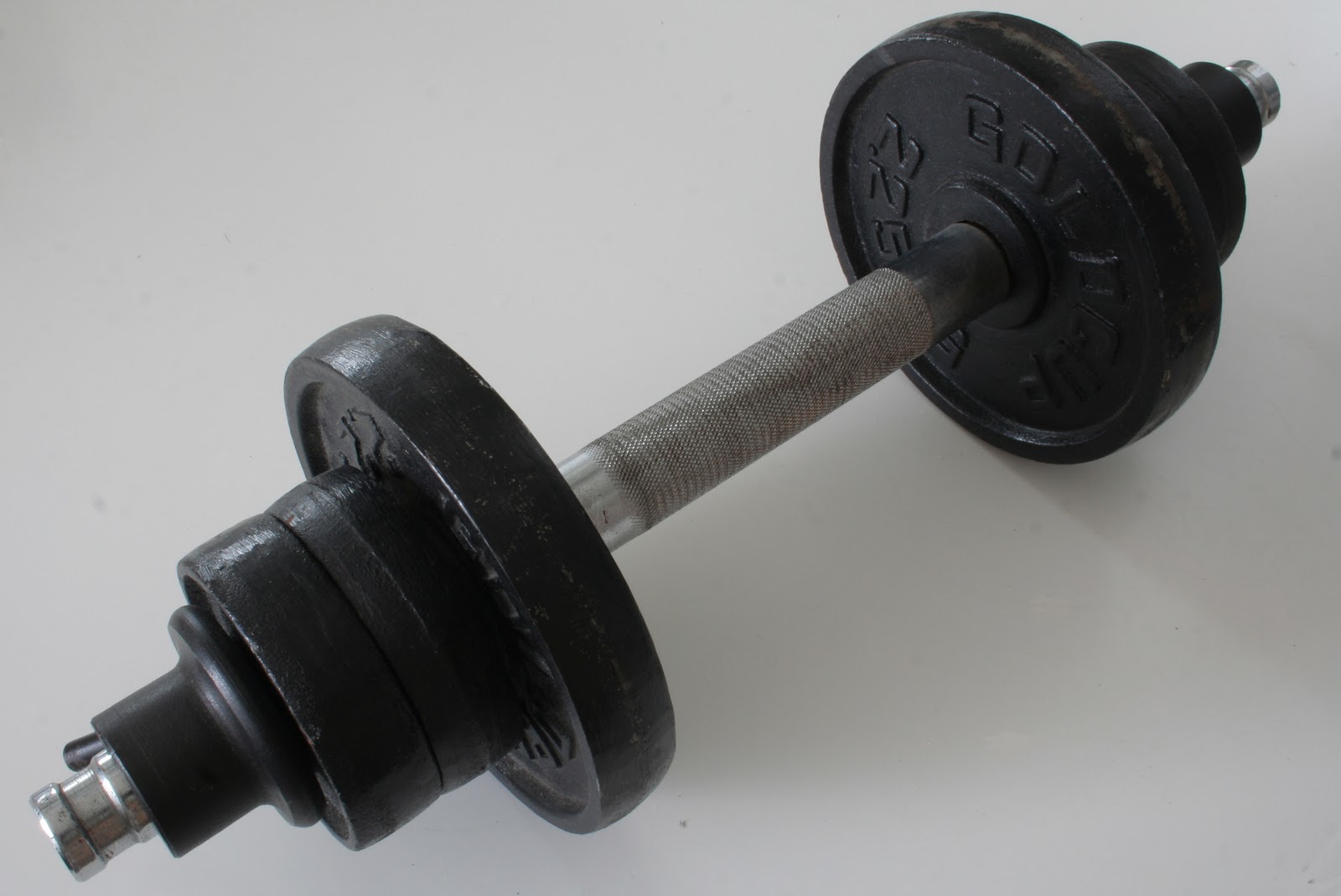
Photo Credit: Public Domain
You don’t have to invest in a full set of professional weights or a weight lifting machine. A set of dumbbells that can be adapted for more or less weight can work well to help keep you toned and strong. Add some resistance bands to your home gym inventory to help strengthen your legs, arms, back and core. Hand weights and resistance bands are easy to use and to store away when not in use. Ankle and wrist weights can help increase your arm and leg strength during any exercise, such as walking or jogging. A bench is good investment if you plan to lift weights at home. 
To help improve your balance and get the most from your home exercise routine, pick up a balance ball. Balance ball exercises strengthen your core muscles, as well as improves functional strength, flexibility and balance. Balance balls are available from about $50 and should last several years with proper care. There are different sizes of balance balls, so be sure to select a size that is comfortable for you. Wobble boards or balance boards are an inexpensive addition to your home exercise equipment. Balance on a wobble board while holding a 5 pound dumbbell in each hand to improve your balance, core and arm strength and increase your stamina. 
For more information and equipment options, see:

WebMD, At-Home Workouts: 5 Essential Items for a Home Gym, by Colette Bouchez, reviewed by Brunilda Nazario, MD, 2009.