Eat For Prostate Health

Photo Credit: National Cancer Institute

Men can reduce their risk of prostate cancer by living a healthy lifestyle that includes exercise and a healthy diet. There is some evidence to support lycopene in the diet may help reduce the risk of developing prostate cancer, but there is no conclusive evidence that it prevents cancer. The best way to reduce your risk of prostate cancer or any disease is to eat healthy foods, get plenty of rest and exercise regularly. Some foods may help to reduce your risk of cancer and improve your overall health.
Men who want to reduce their risk of prostate cancer should choose a diet that is low in fat. Meat and dairy products are high in fat, which may increase the risk of prostate cancer. Choose low-fat dairy products, like skim milk, low-fat yogurt and reduced fat cheeses. Eat more fresh vegetables and limit the amount of red meat in the diet to reduce fat intake.
Folate is a B vitamin that is found in green vegetables. Folic acid is a synthetic form of folate that is often found in vitamin fortified foods and dietary supplements. According to the National Cancer Institute, a 10 year study of men who took a dietary supplement of folic acid were at greater risk of developing prostate cancer than men who consumed natural folate in their diets. To get enough folate in your diet, eat plenty of green vegetables and fruits. 
Omega-3 fatty acids also help to reduce the risk of prostate cancer. Omega-3 fatty acids are found in fish, including salmon tuna, sardines and trout. Green tea is also helpful to reduce the risk of prostate cancer. Trade steak for fish and coffee for green tea a few times each week to get the benefits of the nutrients in these foods that can help lower your risk of cancer. 

Weight Gain? Blame It On Your Thyroid

Photo Credit: Erifyli Tsavdari CC-BY-2.0
The thyroid gland is located in your throat and produces hormones that regulate a number of body functions, including how your body uses energy, protein production and oxygen use. Hypothyroidism is a condition in which the thyroid is under-active and does not produce enough thyroid hormone. Hypothyroidism can result in weight gain because the metabolism slows down when the thyroid does not produce enough hormones to stimulate metabolism. A slower metabolism can lead to weight gain due to fat storage and water retention. Symptoms of hypothyroidism include dry skin and hair, muscle cramps, constipation and a general sluggish feeling or a lack of energy. Menopausal women are more susceptible to hypothyroidism than men of the same age. Untreated thyroid problems can lead to other, some very serious, health problems. Osteoporosis, heart disease and stroke are possible. Only your doctor can diagnose a thyroid condition. See your doctor for a complete physical, including tests to determine your thyroid health.
Regular exercise is important generally, and especially if you have hypothyroidism. Exercise, combined with a healthy diet, helps to stimulate the metabolism which can lead to weight loss. Try to get at least 30 minutes every day, if possible. You don’t have to get the full 30 minutes at one time. Spread your exercise throughout the day in 10 minute intervals. Selenium may also help women who suffer from thyroid problems. Foods that contain selenium include tuna, onions, tomatoes, broccoli, whole wheat and bran. Brazil nuts are also rich in selenium. Spinach, apricots, asparagus, olive oil, avocado, sunflower seeds, whole grain cereals, bananas, oily fish and carrots also contain sufficient selenium.  Include these foods in your diet and follow your doctor’s advice.

For more information about selenium and hypothyroidism, see:

Lose Weight Without Dieting

Photo Credit: Evan Swigart CC-BY-2.0
One of the most difficult things about dieting is feeling deprived. Starvation diets don’t work. In fact, they have the opposite effect because deprivation causes the metabolism to slow down so that your body stores more food as fat instead of burning it for energy. Fad diets can be dangerous because you may not get all the nutrients you need from the food you are permitted to eat while on the diet. The best way to lose weight without depriving yourself, or endangering your health, is to eat smaller portions, avoid sugars and fats and exercise. Some minor changes in your lifestyle and in your eating habits can make all the difference in weight loss.
Eat home-cooked meals at least 5 to 6 days each week. Some restaurants provide calorie and fat content information for menu items, but most do not. Use fresh vegetables if possible, but frozen vegetables are just as nutritious. Those with a busy lifestyle can cook on weekends to prepare meals for the upcoming week. Frozen dinners often contain large amounts of sodium, sugars, fats and preservatives. Even frozen diet meals may contain too much salt. Cook your own meals from fresh ingredients to avoid hidden calories in your meals. Slow down and eat more slowly. Savor your food instead of gobbling it down in a hurry. When you eat fast, your brain and stomach do not have time to communicate with each other, which can lead to overeating.
Serve more vegetables with each of your meals. If you normally eat one vegetable side dish at dinner, add a second vegetable. The high fiber content of most vegetables will fill you up faster without adding calories. Avoid adding cream or cheese sauces, which adds fat and calories to your food. Cook with herbs and seasonings instead of sauces. 
Switch your white bread and rolls for high fiber, calorie busting whole grains instead. The next time you reach for a soda, pour yourself a glass of water or tea. Replacing one soda with a glass of water each day can help you avoid about 10 teaspoons of sugar every day. Add lemon, fresh strawberries or lime juice to your water for flavor. 

Eat for Energy

Photo Credit: Kander PD

Would you be surprised if someone told you to eat to lose weight? Your metabolism is the process by which your body converts the food you eat into energy. Your metabolic rate is the rate at which your body turns food into fuel. The metabolic rate is different for each person and generally slows down as you age. This is why some people get what is called “middle age spread” around the abdomen or hips. When the metabolic rate slows, but caloric intake does not decrease, you can gain weight. Depriving yourself of food is not the answer to maintaining a healthy weight. Your body needs food for energy and will slow your metabolic rate in response to a lack of energy. Starvation diets are not only dangerous, but counter-productive since the body responds to deprivation by slowing down metabolism. To maintain a healthy weight or to lose weight, keep your metabolic rate at peak efficiency by eating more often. 
When you eat food, your body responds by releasing hormones and enzymes that convert food to energy that can be used by your cells. If you wait too long between meals, the metabolism slows down. Skipping breakfast or lunch and then eating a large evening meal may cause your body to store more food as fat in order to compensate for the lack of food earlier in the day. Your body stores up fat for energy use. The problem is the body is storing more fat than you are using for energy. In order to avoid this cycle of starvation and weight gain and keep your metabolism functioning at peak efficiency, eat several small, high-fiber meals everyday. 
Eat a healthy, high-fiber breakfast, followed by a mid-morning snack. Fresh fruits, vegetables, yogurt and whole grain crackers are ideal choices. Don’t forget to eat lunch, and then enjoy a late-afternoon snack. Dinner should include foods from all the food groups. At least 1/2 of your plate should be filled with vegetables, fruits and grains. Drink plenty of water throughout the day to help your body digest food and remain hydrated. Green tea may also help to increase your metabolism because it contains an antioxidant called epigallocatechin gallate (EGCG), which may help boost your body’s fuel burning power. 

Lifestyle Changes for Better Fitness

Photo Credit: Tuomas Työrinoja CC-BY-3.0

Losing weight and getting in shape can be challenging, especially if you’ve been sedentary for years. You need to exercise to lose weight, but your calorie intake has to be adjusted as well. Many people exercise every other day, sometimes daily, but the pounds just aren’t coming off. Exercise alone can’t help you take off those extra pounds. You have to burn more calories than you take in to lose weight effectively. This requires a balance of diet and exercise. If you are exercising and the pounds just won’t come off, a personal fitness trainer can help you develop a diet and exercise plan that may work for you.
One of the biggest enemies of weight loss is underestimating the number of calories and the amount of food you actually consume. Burning 1,000 calories won’t help you lose weight if you consume 1,000 calories right after your workout. Cutting back on calories and exercising regularly are only part of a total fitness program. Going to the gym for 30 minutes three times each week will help you build muscle and improve your overall fitness, but if you are sitting down the other 4 days each week you won’t see much progress in weight loss. The most effective way to get fit, lose weight and stay fit is to lead an active lifestyle. Even if you work 8 to 10  hours a day in an office sitting in front of a computer, there are things you can do to be more active. 
Move your body to help burn calories and get fit. If you drive to work park your car a couple of blocks from work and walk. Take the stairs instead of the elevator. Stand up and stretch your body every hour. Walk to the water cooler for a drink every hour instead of sipping on a high-calorie soda. Eat a low-calorie, high fiber breakfast each morning and take nutritious snacks to work. Drink plenty of water during the day. Increase the amount of vegetables and fruits in your diet. Include whole grains, rice and legumes in your diet. Reduce the amount of red meat in your diet. Eat more fish and poultry if you don’t want to give up meat. Avoid keeping snacks in front of the television or replace chips and popcorn with dried fruits and nuts. You will eat more than you think when watching television. Keep going to the gym but stay active every day. 

Eat Before Or After A Workout?

Photo Credit: Fir0002/Flagstaffotos  GFDL-1.2

There can be some confusion about whether you should eat before, during or after a workout for maximum energy, but still burn excess calories to lose weight and burn fat. Your body needs energy to keep it functioning at peak efficiency. You need nutrients including vitamins, minerals and protein to help build and repair muscles and keep cells free of toxins. You should eat a healthy diet from all the major food groups and include enough complex carbohydrates to provide the energy you need. Drink plenty of water before, during and after a workout to replace lost water due to sweating. 
You should not start a workout when you are hungry. You will not have the energy or nutrients needed to maximize your workout. Low blood sugar resulting from fasting can cause you to feel weak, and in some cases, lightheaded. If your blood sugar is very low,  you could even lose consciousness for a brief time. This can be dangerous. Don’t fast before a workout. About one hour before a workout, eat foods that have a high  glycemic index, such as fruits, whole grain breads and pastas. Avoid eating too much fiber before a workout because it can make you feel sluggish. Select quick digesting foods that are rich in carbohydrates. 
Keep your body hydrated and fueled during high intensity workouts that last 45 minutes or longer. Keep a bottle of water handy and drink from it frequently during your workout. Sports drinks with electrolytes are also a good choice to replace salts and minerals lost through sweating and to maintain the electrolyte balance in your body. A granola bar is a good choice for a quick snack if you feel hungry during your workout. 
After an intense workout that lasts more than 45 minutes or longer, you will need to replenish your protein and sugar stores. A high protein peanut butter sandwich, 8 ounces of water and a banana can provide your body with the vitamins, minerals, protein and carbohydrates necessary to repair tissues and recover from a strenuous workout. Yogurt, natural fruit juice (no added sugar) and some nuts, such as walnuts or almonds, granola or sliced fruit can help replenish depleted nutrients.  

For information about what you should eat for energy, see:
WebMD, What to Eat Before, During and After Exercise, by  Kathleen M. Zelman, MPH, RD, LD

How to Avoid Mindless Eating

It’s easy to snack without thinking about it. Some of us do it in front of the television, while talking on the telephone or while sitting at our desk at work. That bowl of potato chips or popcorn is just too tasty to ignore. Once you start munching without thinking, it is easy to eat an entire bag of chips or a bowl full of popcorn before you realize what you have done. A few simple changes can help you avoid mindless munching, which can lead to excess calories and weight gain.
Photo Credit: Renee Comet PD
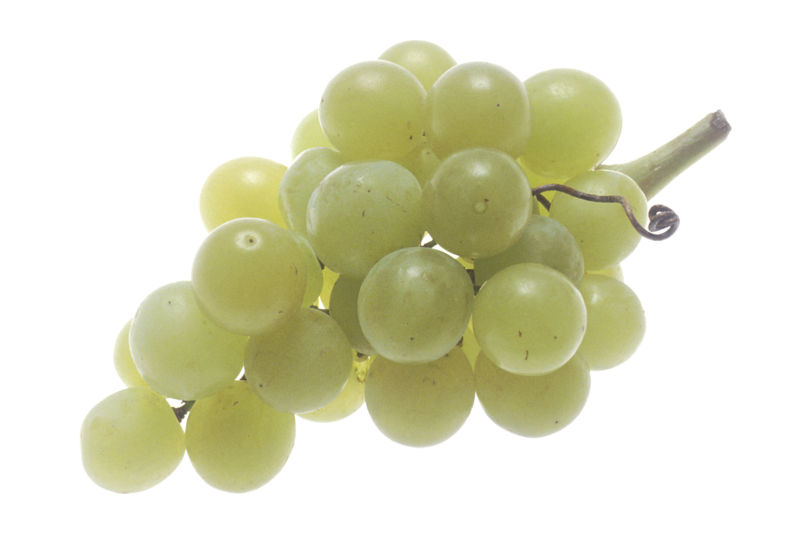
Remove all candy, chips and other fat-laden or sugary snacks from your television room. The best practice is to not eat while watching television. If you must snack while watching your favorite television programs, choose grapes, raisins, nuts, baked whole grain crackers and cheese, fresh vegetables or sliced fruit. Instead of sipping on a soda, have a glass of green tea on ice. Keep a bowl of mixed nuts or your favorite nuts on the table on the television room instead of chips or cookies. 
Clean out your desk at work and give away or toss out all the fattening, sugary and greasy snacks you have hidden in your special snack drawer. Try to avoid snacking while working on your computer. Set a specific time for your snacks and stick to the schedule.  A light, healthy snack in the early morning before lunch and again in the afternoon can help keep your metabolism stimulated and keep you from over-eating at lunch or dinner. Replace unhealthy snacks with small packages of nuts, granola bars, dried fruit or fresh fruit options. Stay away from the soda machine at work. Ask your employer to offer low-calorie, sugar-free alternatives to sweet soda or bring your own drinks. Keep some bottled water in your desk and drink that instead of hitting the soda machine. If your company serves donuts or other sweets at meetings, drink a glass of water and eat a piece of fruit before the meeting, so that you will not feel the urge to pick up a sugary treat to munch on while the manager drones on about sales figures. 

Pay attention to the foods you put in your mouth. Rather than mindlessly grabbing a handful of whatever is in the bowl in front of you, stop and look at the food. If it’s a handful of candy or chips, put it down. Move the bowl out of your reach or get a healthy snack instead. 

Fat-Fighting Foods

Fruits and vegetables are not only an excellent source of vitamins and minerals, but also help fight body fat. According to the Centers for Disease Control, a diet that includes plenty of fruits and vegetables may also help to reduce your risk of some types of cancers. Substitute fruits and vegetables in place high calorie foods like macaroni and cheese or white flour pastas. Fruits are especially good at helping you to fight fat and lose weight. They are loaded with flavor, fiber and nutrients but low in calories. Fruits can help you feel full, but will not add significantly to your caloric intake. Fruits contain water and fiber that can help you feel more full so that  you eat less. 
Photo Credit: Forest & Kim Starr CC-BY-3.0
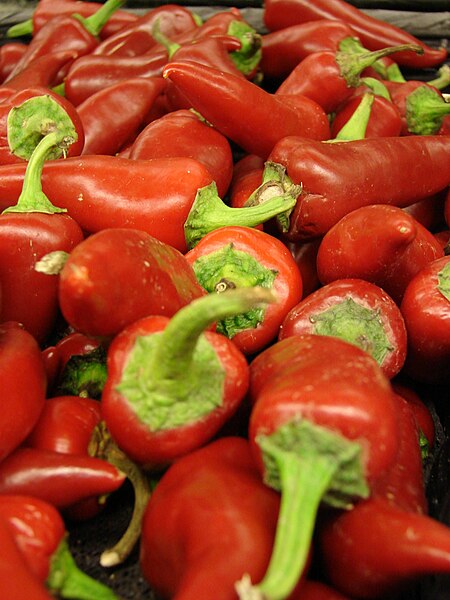
Grapefruit is rich in soluble fiber, which takes longer to digest. This helps you feel fuller for a longer period of time. Grapefruit is low in calories but high in nutrients. Try a glass of grapefruit juice with the pulp before dinner to help you feel fuller before you eat. Watermelon is another fruit that can help you feel fuller. Watermelon contains lots of fiber, plenty of water and is rich in lycopene, an important antioxidant. Pears and apples also contain plenty of natural fiber, nutrients and water. Eat pears and apples with the peels to get extra fiber and more flavor. Hot peppers contain capsaicin, which may help curb your appetite and boost your metabolism. People tend to eat less when their food is spicy. Try some hot peppers in your favorite dish for extra flavor and a dose of fat-fighting capsaicin. Several studies indicate that green tea may help stimulate the body to burn fat, especially belly fat. Several compounds in green tea, notably catechins, may stimulate the metabolism to help your body burn fat. Drink 2 to 3 cups of hot green tea every day, especially before a meal. 
There is no magic bullet when it comes to weight loss. A healthy diet combined with exercise is the best way to avoid weight gain and to lose weight. Reduce the amount of calories you eat and get at least 30 minutes of exercise every other day. Walk every day, if you can, and avoid sugary snacks and sodas between meals to help reduce the amount of calories you consume. 

Energy Boosting Snacks

Photo Credit: Sanjay Acharya CC-BY-SA-3.0-migrated
Do you feel drained of energy in the afternoon? Fatigue in the afternoon is not uncommon. Some people go for a quick sugar fix to boost their energy. Sugary snacks, like candy bars and soda, will boost your energy in the short term, but you will crash after a short time and may even feel more fatigued than before. Sugary snacks and sodas also add unwanted calories and caffeine. Natural sugars and carbohydrates can give you a boost of energy that lasts without the crash. You will also enjoy the added benefits of nutritional vitamins, minerals and trace elements that your body needs. 
Nuts and seeds are high in fiber and protein that will help you feel full and boost your energy level. Walnuts and almonds are delicious and an excellent source of omega-3 fatty acids that help boost your brain. Almonds also contain manganese, vitamin E, magnesium, copper and vitamin B2. Manganese is an important trace element that improves sleep, helps your muscles to relax, boosts your immune system and helps improve your overall mood. The protein in nuts helps to stabilize your blood sugar and is slow to digest. A handful of nuts in the afternoon can boost your energy and help to curb your appetite.
Whole grain snacks such as granola bars or crackers contain many nutrients and complex carbohydrates that can help boost your energy and relieve afternoon fatigue. Whole wheat snacks contain iron, protein, manganese, magnesium, fiber, and vitamins B1, B2 and B3. B-vitamins help fight fatigue, stabilize blood sugar and maintain energy levels. Complex carbohydrates are digested and absorbed slowly, which means your energy boost can last for hours. 

A cup of yogurt can provide a boost of energy and calcium, protein, zinc and phosphorus. Most brands of yogurt also contain vitamins B2, B5 and B12. Yogurt is easy to digest and quickly absorbed by the body. You will get a quick boost of energy, which will last much longer than a sugar boost from a candy bar or soda. Yogurt also contains tyrosine, which is an  amino acid that stimulates the production of neurotransmitters in the brain for improved mood and brain function. Add some fresh fruit to a cup of yogurt for extra natural sugar energy and nutrients. 

Diet Survival Tips for 4th of July Cookouts

Outdoor barbecues are a tradition on Independence Day. Grills will fire up in backyards around the country. Everything from hot dogs, hamburgers, steaks, ribs, smoked sausages, chicken, vegetables and even shrimp and fish are cooked on outdoor grills. Side dishes may include potato salad, cole slaw, pickles and  macaroni salad. Of course, what 4th of July celebration would be complete without apple pie and ice cream? It can be difficult to stay on a diet and avoid fatty foods at a backyard cookout when so many people around you are enjoying the savory open-grilled flavor, and the smell gets your mouth to watering. You can enjoy a delicious backyard barbecue without  regretting it the next day. You can enjoy all the flavor of a 4th of July grilled fare without all the calories and fat.
Photo Credit: Silar CC-BY-SA-3.0
Host your own backyard barbecue celebration where you select the cuts and types of meat and side dishes. Skip the processed meats like hot dogs and ground beef. These meats products are often loaded with preservatives, fats and sodium. Turkey hot dogs and ground lean steak are much better choices. Grill kabobs including white meat chicken or shrimp, mixed vegetables, like peppers, pearl onions and cherry tomatoes. Sea bass, cod and tilapia work well on a grill if you use a little foil and a light vegetable or olive oil. Spritz talapia with fresh lime for a delicious meal. Try some cajun blackening spices and blacken your fish on the grill. 
There are loads of calories, fats and sodium in side dishes and condiments. Condiments including barbecue sauce, mayonnaise, ketchup and ranch salad dressing contain lots of calories and sodium. Offer low-sodium or salt-free alternatives. Use more spices when cooking food on the grill so that condiments are not really necessary. Potato and pasta salads that include mayonnaise may contain as many as 400 calories per serving. Offer a tossed pasta salad using whole grain pasta and a light vinaigrette dressing. Include some diced tomatoes, cucumbers and bell peppers mixed in with the pasta for extra flavor and a boost of healthy vitamins and minerals. 

Beer and soda often flow freely at backyard barbecues. Offer your guests a variety of flavored sparkling water, lite beer and low-sugar sodas in addition to regular soda and beer. Drink sensibly and in moderation. Drink an 8 ounce glass of water between each alcoholic drink to help you avoid over-indulging and dehydration.