Diet Saving Super Bowl Snacks

Photo Credit: Gunkarta CC-BY-SA-3.0 2011
Millions of Americans will be sitting in front of the television today, watching the Super Bowl. Super Bowl parties often include diet-busting foods, such as beer, pizza, chips and dip. Your Super Bowl party does not have to be a diet disaster. Forget the take out pizza and opt for some healthier, tasty party foods that everyone will enjoy. 
Chicken is a low-fat, high protein food. Buffalo wings are a traditional Super Bowl party fare that are easy to prepare and healthier than pizza loaded with cheese and pepperoni. Skinless chicken wings basted in a spicy buffalo sauce are less than 300 calories per serving.
A veggie platter can be prepared quickly and easily. Celery, broccoli, cauliflower, cucumbers, tomatoes and carrots make a colorful, healthy snack platter. Skip the high-calorie bleu cheese dip and serve a light spinach dip made with low-fat cream cheese, low-fat yogurt or reduced calorie cottage cheese.  
Serve your Super Bowl party guests baked chips and low-fat dip instead of fried potato chips. Prepare a delicious low-calorie guacamole dip. A layered bean dip with baked tortilla chips contains plenty of fiber, vitamins and minerals, but won’t bust your diet with extra calories. 

Serve a light beer and offer sugar-free soda. To avoid over-indulging, remember to drink a glass of water before the game and have a cup of water between beers. Remember to drink in moderation and enjoy the game!

For some tasty Super Bowl party recipes, see:

Sweet Valentine’s Day Tips

Photo Credit: John Hritz CC-BY-2.0 2005

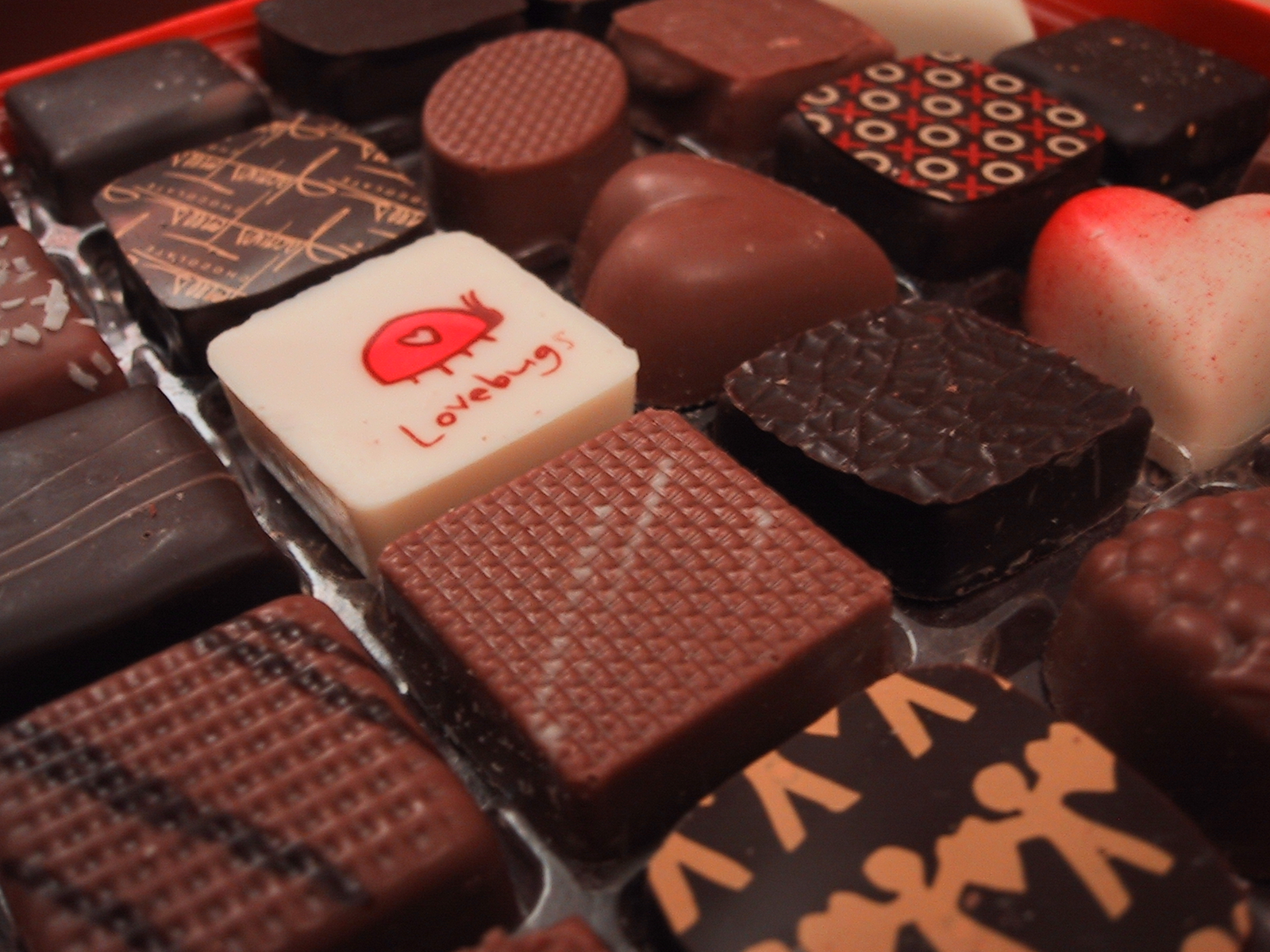
Are you planning a romantic Valentine’s Day complete with flowers, chocolates, champagne and a romantic dinner? You probably don’t want to think about your diet and weight loss on Valentine’s Day. It’s easy to forget about your diet and fitness when enjoying romance, dining and wine. Avoid regrets and weight gain by planning ahead for your romantic evening. 
Begin the day with a fiber-rich breakfast of whole grains and low-fat dairy. Eat healthy snacks throughout the day to avoid over-indulging at dinner. Snack on fresh fruit, yogurt and whole grain crackers. Drink plenty of water during the day and have an extra glass of water before dinner. Snacking on healthy foods throughout the day will keep you from becoming hungry and boost your metabolism. You can control the menu and calories if you have a romantic dinner at home. If you are dining out for Valentine’s Day,  become familiar with the restaurant menu. Skip the salad dressing or choose a low-calorie dressing. Select lean cuts of meat and steamed or grilled vegetables. Those yeast rolls may be delicious, but they are loaded with calories and fat. Choose whole grain bread or skip the rolls. Avoid the butter and salt on the baked potato. Drink alcohol in moderation. Choose a dessert that is low in sugar and calories, such as a fruit sorbet or fresh fruit. Enjoy a romantic stroll together after dinner to burn a few calories and enjoy each other’s company. Dancing after dinner is a great way to work off those dessert calories. 

Are Fruits High In Sugar?

Photo Credit: André Karwath CC-BY-SA-2.5 2005
Sugar is a simple carbohydrate found in many fruits. Sugars are monosaccharides and disaccharides. Monosaccharides are simple sugar molecules like glucose and fructose. Dissacharides are two sugar molecules, such as sucrose. Sucrose is the familiar granulated table sugar. Lactose and dextrose are other types of dissacharide sugars. When several sugar molecules combine, they form a starch, or a complex carbohydrate. Sugar not only makes food taste sweet, it also provides your body with the fuel necessary for energy and body functions. Although sugar provides energy and is relatively low in calories (about 16 calories per teaspoon), it contains no essential vitamins and minerals. Fresh, raw fruits contain the monosaccharide fructose, but they also contain a number of essential vitamins and minerals. The sugar content varies in different fruits, but generally, raw fruit does not contain enough sugar to derail your diet. 
Fruits that are high in natural sugar will taste sweeter than other fruits. Apples, dates, bananas, figs, cherries and grapes contain more natural sugars than watermelon, strawberries, lemons, limes and kiwi fruits. Whole, fresh fruits contain essential vitamins like A, C, E and K. Minerals include potassium, zinc and magnesium. Fruits are also abundant in fiber, which should be an important part of a healthy, balanced diet. 

For more information about sugar content in popular foods, see:
WebMD, Sugar Shockers: Foods Surprisingly High In Sugar, by  Elaine Magee, MPH, RD

Three Simple Changes for Weight Loss

Photo Credit: Hans Hillewaert CC-BY-SA-3.0 2011

It is difficult to completely overhaul your daily eating habits. If you haven’t started a diet and you aren’t sure where to begin, you are not alone. There is no shortage of fad diets, weight loss pills and so-called miracle powders that promise to melt the weight off. The truth is you have to change the way you eat, some of the foods you eat, and you have to exercise regularly to experience healthy, long-term weight loss. You don’t have to stop eating all the foods you love, but you do have to combine diet and exercise for maximum weight loss and a fit body. There are three simple changes you can make today that can start you on your way to losing weight.

1. Enjoy a bowl of soup before a meal. Broth-based soups are usually low in calories, but big on flavor. Soups like tortilla soup, minestrone or vegetable soup taste delicious and can help fill you up so you eat less. Avoid soups made with heavy creams and canned soups. These soups can be high in fat, sodium and calories. 
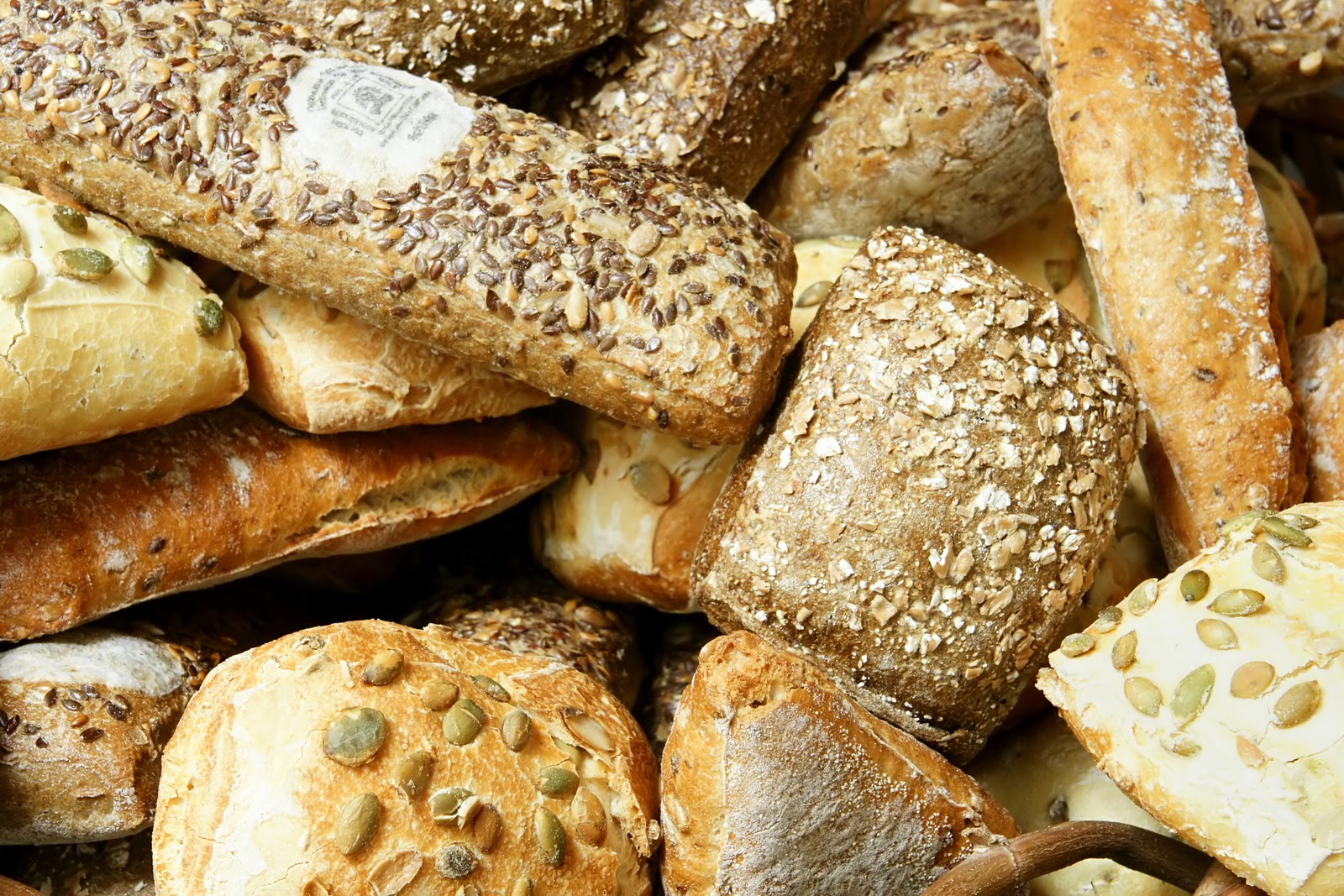
2. Choose whole grains over processed flour products. Replace your white bread and crackers with whole grains. Whole grain wheat bread contains fiber and many nutrients your body needs. You will feel more full after eating a whole grain bread than you do when you eat processed white bread. Have a bowl of whole grain oats or buckwheat cereal for breakfast. Whole grains contain the carbohydrates your body needs for energy. 
3. Drink more water. If you normally drink 2 sodas per day, replace one soda with a tall glass of water. Flavor water with fresh lemon or add some frozen fruit, such as blueberries or strawberries, to add natural sugars and flavor your water. Keep your body well hydrated. Your skin will look better and your organs will function more efficiently if your body is properly hydrated. 

What To Do About Cellulite

At some point in their lives most women, and some men, will have to deal with cellulite. Cellulite is fat deposits in the skin which cause a dimpled appearance. Cellulite is not the same as other body fat that resides deeper in the body. Cellulite is not normally used by the body as an energy source making it next to impossible to get rid of. Short of surgery or expensive spa skin treatments, there isn’t much a woman can do about cellulite. She can reduce the appearance of cellulite by drinking plenty of water and engaging in aerobic exercise. Strength training can also help reduce the appearance of cellulite by increasing the size and definition of muscles. 
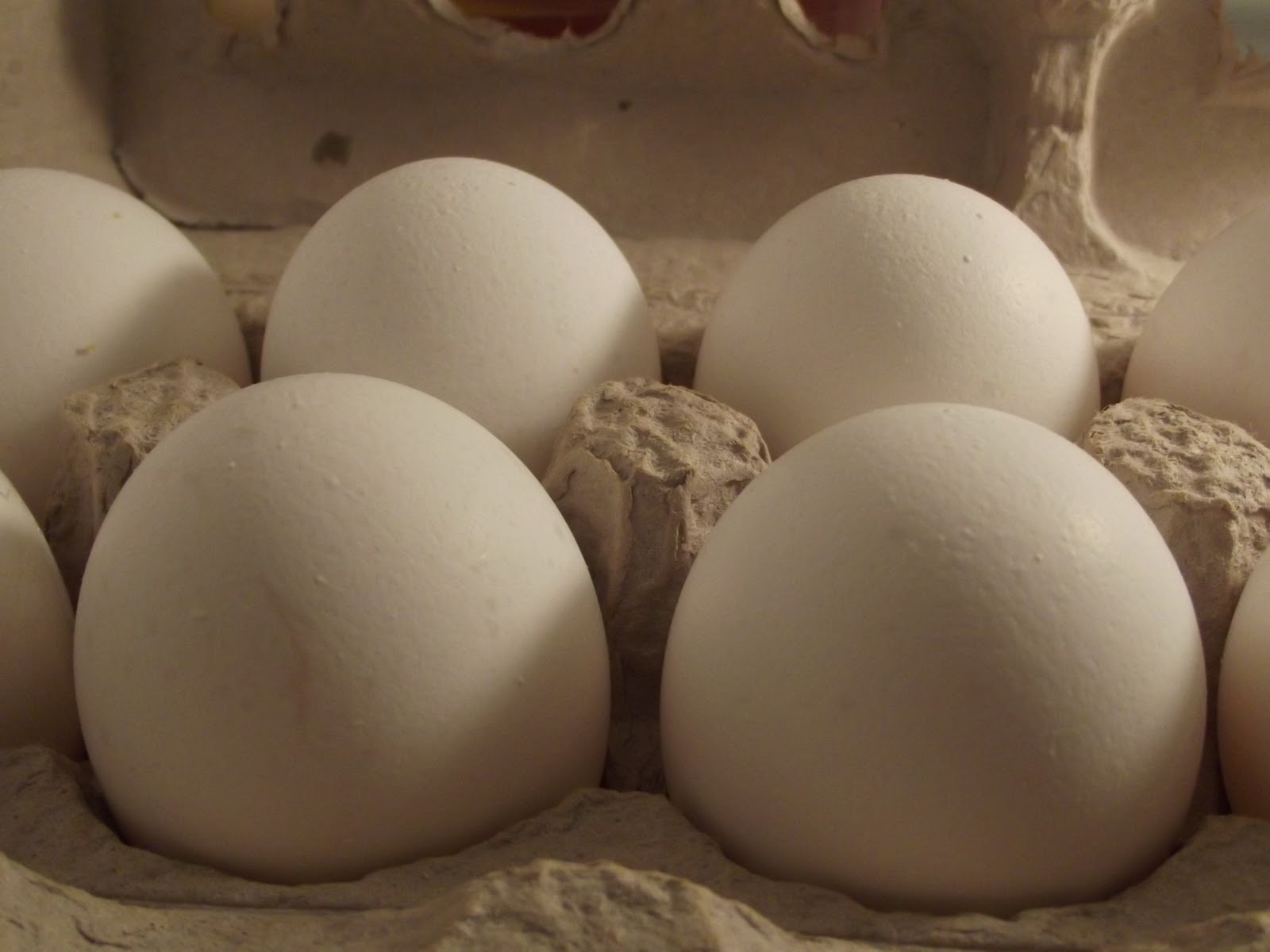
A diet rich in fiber and antioxidants can help reduce the amount of cellulite in the skin and improve skin appearance. Foods that nourish the skin cells includes eggs, peanut butter, olive oil, soy protein, nuts, fruits and  berries. Citrus fruit like oranges and grapefruit contain vitamins and minerals essential to healthy skin and other organs. Eat a variety of fruits and vegetables to help improve collagen production and keep your skin cells healthy.

Diet alone is not enough to reduce fat cells in the skin. You have to exercise to help reduce the appearance of cellulite. Most women who have had children will see some cellulite on their hips and thighs. The best exercises are those that tone and firm the muscles of the buttocks and thighs. Squats will strengthen your entire lower body, and especially your thighs and butt. The most effective way to perform a squat is to stand with your feet apart, about shoulder width, and then slowly lower your body by bending your knees until you reach a seated position. Slide your back down a wall or hold onto a sturdy chair for balance if you are a beginner.

Lunges strengthen your thighs, buttocks and back and can help reduce the appearance of cellulite in the thighs. Stand up straight with your feet comfortably apart, about hip-width. Place your hands on your hips for balance, and then step forward on one foot as far as you can while lowering your upper body straight down.  Keep your other foot planted flat on the floor. Return to a standing position and repeat the exercise on the other leg.

Performing bridges can help strengthen your back and increase muscle definition in your butt, thighs and abdomen. To do the bridge exercise, lie on your back and bend your knees placing your feet flat on the floor. Keep your knees apart about hip-width. Slowly lift your back off the floor beginning at your buttocks and moving upward until your hips and legs form a diagonal line from the knees to the shoulder. Hold the position for a few seconds, lower your body back to the floor slowly and then repeat the exercise.

There is no magic pill to help reduce cellulite. Creams and drug therapies have demonstrated some effectiveness, but the results are usually temporary improvement in the dimpled appearance of the skin. Surgery is an option, but should only be considered after thoughtful consultation with your doctor.

For more information about causes and treatment of cellulite, see:

WebMD, Can You Beat Cellulite?, by Collette Bouchez, reviewed by Cynthia Dennison Haines, MD, 2005

Choosing the Best Fruit & Vegetables Juices

Photo Credit: PD USDA ARS
Every person needs to eat several servings of fruits and vegetables every day. The best way to get nutrition from fruits and vegetables is to eat them raw. Steamed vegetables retain more vitamins and minerals than boiled vegetables. Vegetables that have been lightly grilled in olive oil are tasty and retain most of the nutrients your body needs. The alternative to eating raw fruits and berries is to drink fruit juice. Fruit and berry juices that contain most of the natural pulp are better for you than strained juices because the pulp provides necessary fiber and extra vitamins and minerals. Drinking vegetables in a juice mixture that contains flavorful fruits and berries can increase the nutritional value of your juice drink. For example, tomatoes contain lycopene which is important for men’s prostate health, but not everyone likes the taste of plain tomato juice. Vegetable juice mixtures can be made at home using a juicer. Some juices available at the supermarket may contain excess sodium and sugars, so read the nutrition labels carefully. Buy a low-sodium, low-sugar or sugar-free juice when possible.
Cranberry and orange juice are both loaded with Vitamin C, which is an important immune system supporting nutrient. Select an orange juice with some pulp or make your own juice at home. A cranberry juice mixed with blueberry juice and cherry juice makes a delicious, nutritious juice cocktail. Pomegranate juice tastes delicious and is loaded with antioxidant vitamins and minerals, but pomegranate juice is high in sugar. If you are counting calories, drink one 8-ounce of pomegranate juice each day. You can dilute juices that have a high sugar content with water to help reduce the amount of calories and still get most of the benefits of drinking juices. Red grape juice is rich in the antioxidants flavanoids and resveratrol that your cells need to function properly and repair damage. Select a red grape juice that is made from the whole grape, including the seeds and skin. 
When you make juice at home using a juicer, many nutrients are tossed out with the pulp and the skin. Use a juicer that pulverizes the whole fruits and vegetables so that you get the maximum nutritional benefit from fresh juices. Try mixing different fruits, vegetables and berries to create  your own unique juice blends.
For more information about the benefits of juice and juicing, see:
Mayo Clinic, Is juicing healthier than eating whole fruits or vegetables?, Jennifer K. Nelson, R.D., L.D., 2010

Healthiest Fast Food Breakfasts

Photo Credit: H M Bascom © 2011
You know how important it is to eat a healthy breakfast. What if you are running late for work and don’t have time to prepare  your own meal? Busy people can find healthy fast food breakfast foods. Some fast food breakfast menus offer nutritional items that are high in fiber and protein, but may still be loaded with saturated fats and sugar. Many fast food restaurants make nutrition information available to their patrons by printing the information on the food packaging or providing nutrition information leaflets. Take the time to do a little research and you will be prepared to make wise fast food choices on the run.
McDonald’s is a popular fast food stop for people on the go. The fast food giant offers a wide variety of breakfast foods. According to  Elaine Magee, MPH, RD, writing for the WebMD website, the Egg McMuffin is the best McDonald’s breakfast choice with 300 calories, 12 grams of fat and 2 grams of fiber. The McMuffin does contain more than 800 mg of sodium. The hotcakes at McDonald’s is the next best fast food breakfast choice. If you skip the margarine and syrup, your hotcakes breakfast contains about 350 calories, 3 gram of fiber and 590 milligrams of sodium. 
Burger King offers some fast food menu items that contain fewer calories than the McDonald’s choices. The King’s ham omelet sandwich contains only 290 calories, but 13 grams of fat and 870 milligrams of sodium. The French toast stick breakfast contains fewer calories, about 240 but it has 13 grams of fat and 2.5 grams of saturated fat. These tasty breakfast goodies have zero cholesterol, 250 milligrams of sodium and only 1 gram of fiber.  
Dunkin’ Doughnuts offers some delicious breakfast bagels. The sweets specialist offers customers wheat, blueberry and honey bran raisin muffins. The blueberry and wheat bagel contain about 330 calories. The honey bran raisin muffin has more calories and sodium, about 40 milligrams of each, and 15 grams of fat. The blueberry bagel has 600 milligrams of sodium but is lower in fat than the other healthier breakfast options. 
It is important that you always eat breakfast. Don’t skip breakfast unless you cannot avoid it. Your body needs the nutrients and energy to function. If you have no time to make breakfast or stop for a meal, drink some juice on your way out the door. Drink a glass of orange juice or low-fat milk instead of coffee if you have to opt for a fast food breakfast.
For more information about fast food breakfasts, see:

WebMD, Best and Worst Fast-Food Breakfast, by Elaine Magee, MPH, RD, reviewed by Louise Chang, MD, 2011

Tips to Keep Your Diet Resolution

You’ve made a New Year’s resolution to eat a healthy diet and to stay on it. Now what? Where do you begin and how do you keep your promise to yourself? First see your doctor for a complete physical. Find out if you have high blood pressure, are at risk for diabetes, have high cholesterol or any other health condition that should be addressed before starting a weight-loss program. Next, take advantage of support groups and supportive friends and family to help you stay the course and reach your weight-loss goals. A dietitian can help you plan meals. A personal trainer can help you to exercise safely and effectively to achieve your goals.
Photo Credit: Evan-Amos, PD
Clean out your refrigerator, your freezer and your pantry. Get rid high calorie fatty foods. Remove potato chips, French fries, ice cream, candy and cakes. Replace these foods with fruits, vegetables, low-fat yogurt , whole grains and nuts. It’s okay to treat yourself to a few potato chips from time to time, however if they are readily available you will be more likely to over-indulge which can undermine your weight-loss goals and make you feel guilty. Buy a healthy-diet cookbook and try some new recipes to add variety to your diet.
Start a food diary and write down everything you eat and drink every day. Also write down how much you consume. Carry your diary with you so that you don’t forget to log you meals and snacks. You will be more aware of the foods you eat. You are probably unaware of just how much food, drinks and snacks you consume on a daily basis. Being aware of your food intake can help you to monitor calories and manage your weight-loss plan. 
Drink a glass of water first thing in the morning and before every meal or snack. Water keeps your body hydrated. Water is essential for healthy organs and digestion. If plain water is too boring, try flavored waters and sugar-free sports drinks to help replenish water and electrolytes. 

Don’t skip breakfast. Eating a healthy breakfast of whole grains, fruits, eggs and low-fat milk can help jump start your metabolism to burn calories all day long. It’s okay to eat your favorite foods. You don’t have to deprive yourself of cookies or pizza. The key to managing your weight-loss program and staying on a diet is to limit the portions and frequency of treats. Buy pizza by the slice instead of a whole pie. Avoid buying a box of cookies or doughnuts and buy just one treat instead.

Trade pasta for vegetables as a side dish. Instead of a serving of macaroni and cheese try some delicious steamed broccoli or grilled mixed vegetables. Use light oils such as olive oil instead of butter to help flavor your foods. Leave the snacks in the pantry when you relax in front of the television. It’s easy to consume a bag of chips or a bowl of popcorn while watching the television. Keep a bowl of fruit or nuts on the table to satisfy your snack urge while enjoying your favorite television program.

Forget about losing weight over-night. You can lose one to two pounds each week by sticking to a healthy weight-loss diet and moderate exercise like walking. Set realistic goals for yourself. Don’t give up if you don’t see results right away. Losing weight takes time and commitment, but the results will be worth the effort.

For more information about healthy diets, see:

Mayo Clinic, Healthy Diets, 2011

Over-the-Counter Diet Pills: Do They Work?


Photo by Sage RossCC-BY-SA

Most of us have seen the late-night infomercials advertising a miracle diet pill that promises amazing weight-loss results with little or no effort. Before you use an over-the-counter diet pill, educate yourself about the ingredients, the actual effectiveness of the product and consult with your doctor. Diet pills that are sold over-the-counter are not subject to the same testing standards as prescription weight-loss pills. Diet pills can be sold with little proof of actual weight-loss. The safety of the pills are monitored by the Food and Drug Administration (FDA) after the product is placed on the market. The FDA recalls or bans diet pills that are dangerous after consumers use the product and report serious side effects. 

One popular diet pill is called a “fat trapper.” Fat trappers are made from the ground shells of shellfish like crabs that contain chitosan. Chitosan allegedly binds to fats in the digestive system and prevents your stomach and intestines from digesting and absorbing the fat. There is some evidence that chitosan prevents fat absorption, but the effect is minimal. Moreover, chitosan can prevent your body from absorbing nutrients that are fat-soluble. Fat-soluble nutrients include the essential vitamins A, D, E and K. If you intend to take an over-the-counter fat-blocker, see your doctor first and limit your use to less than 3 months.
Over-the-counter diet pills advertised as “fat burners” usually contain stimulants derived from herbs and a combination of ingredients like hydroxycitric acid, which is an appetite suppressant. Stimulants found in these pills often include caffeine and ephedrine combined with aspirin. Fat-burners can work when combined with a healthy diet and exercise, but there can be some serious side-effects. Caffeine can increase your heart rate. Ephedra may elevate your blood pressure to dangerous levels. You can lose weight by supplementing your diet and exercise program with a fat-burner, but there are health risks. Always consult your doctor before using an over-the-counter fat-burner diet pill. 
Most over-the-counter diet pills are expensive, the results are minimal and the side-effects can be serious. There is no magic pill that will help you reduce your weight and burn fat. Healthy eating habits, a balanced diet that includes vegetables and fruits and regular exercise are the essential elements to a healthy weight. 
For more information about diet pills, see:
WebMD, The Truth About Weight-Loss Pills, by Alison Palkhivala, reviewed by Gary D. Vogin, MD, 2001

Lose Belly Fat For Better Health

Belly fat builds up slowly over time and can have serious health consequences. Belly fat increases the risk of cardiovascular disease, cancer and stroke, especially in women. Fat deposits in the abdomen, especially deep visceral fat, can be difficult to lose. There is no quick fix. A healthy diet, low-fat foods, plenty of water and exercise can help reduce abdominal fat deposits. See your doctor for a check up and to discuss the health implications of excess belly fat. 
Begin to reduce belly fat by cutting back or cutting out processed foods. Processed foods typically contain higher levels of fats, sugar and sodium than fresh foods. Processed foods contain empty calories that are converted to fat and are typically stored in the abdomen, thighs and buttocks. Try to avoid foods that contain bleached white flour, corn syrup and processed white cane sugar. Choose fresh vegetables instead of processed canned vegetables. Don’t boil your fresh vegetables with salt and butter. Instead, steam vegetables to retain as many nutrients as possible. 
Drink a lot of water throughout the day. Start off with about 8 ounces of water first thing in the morning and then exercise for about 15 to 20 minutes one hour after a fiber-rich breakfast. Your metabolism slows during sleep. Healthy food, water and exercise can kick-start your metabolism to help you burn fat throughout the day. Exercise can help you lose belly fat and feel more energetic all day long. 
The bicycle is an easy, fat burning exercise that you can do at home to help you lose belly fat. Sit on the floor and bend your knees so that your feet are flat on the floor. Keep your spine straight and drop your shoulders slightly. Support your body by placing your palms on the floor on each side of your hips. Lift your feet off the floor and move your legs as if you are pedaling a bicycle forward. Do 20 to 30 repetitions and then reverse direction and pedal backwards. 
Photo Credit: Olli Niemitalo, Public Domain 2009 
When you finish your bicycle exercise, rest for 1 to 2 minutes by lying back on the floor with your knees bent and your feet flat on the floor. After resting, perform a few crunches to burn some more belly fat. From the resting position, lift your upper body off the floor using only your abdominal muscles. Lift your body as far off the floor as possible. Avoid the urge to lift your legs or use your hands to push yourself up. Do 20 crunches or more if you can. 
Rest 1 to 2 minutes on your back. When you are ready, tighten your abdominal muscles and prepare to do the scissors exercise. Lift both heels off the floor about 6 inches. Keep your hands on the floor at your side and your back straight. Slowly lift your right leg up about 12 inches while simultaneously lowering your left leg within 1 inch of the floor. Lower your right leg and then lift your left leg. Repeat this scissor motion for 20 or more repetitions.
Drink a tall glass of water after your exercise to hydrate your body. Remember to eat healthy snacks between meals and do not skip meals during the day. Lower the amount of fats you eat and walk as much as possible. 
For more information about health concerns and belly fat, see: