5 Minute Workout

Photo Credit: Larsinio Public Domain
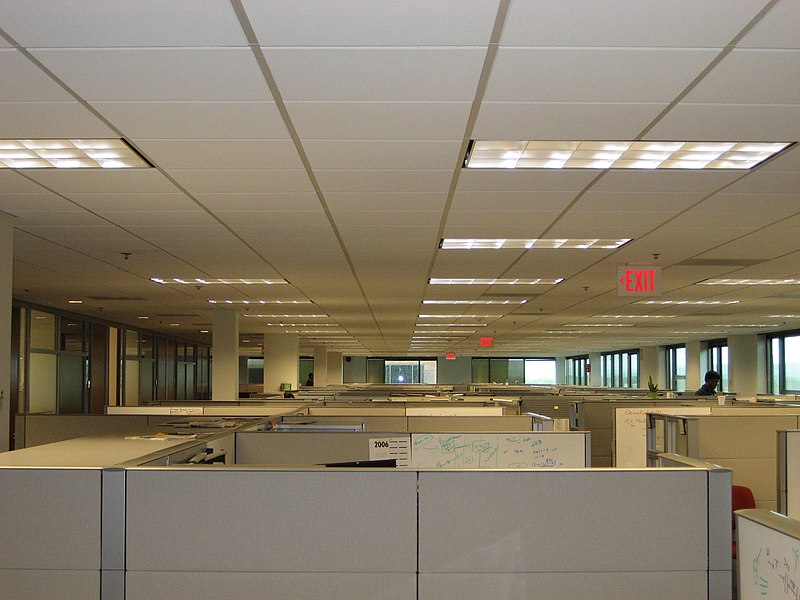
It’s difficult to find the time to workout during the day, especially if you sit at a desk all day. Commuting on the train or driving to work eats up time, too. After work you may have to shuttle the kids to and from after school activities, cook dinner and then clean up. When can a busy person find the time to work out for 30 minutes every day? You can get your full 30 minutes of exercise every day in 5 minute increments. Once each hour, take 5 minutes to do some exercises at your desk. You don’t need equipment, gym clothes or running shoes to do these exercises. Do each exercise for 1 minute. Repeat the routine every 1 1/2 hours throughout the day until you have completed 30 minutes of exercise. 
First, do some squats right at your desk. Stand up straight with your feet about hip-width apart and your arms at your sides. Drop your shoulders and squeeze your abdominal muscles. Lower your body by bending your knees. Simultaneously bring your arms around to the front of your body and hold them straight out as you lower your bottom to your chair seat. Do not put any weight on your bottom, but merely touch the chair seat and then stand up straight again as you bring your arms back to your sides. Repeat the squat for 1 minute to work your core, shoulders, chest and legs.

You can perform crunches right at your desk while sitting down. Sit up tall in your chair behind your desk and place your hands behind your head. Brace your abdominal muscles and bend forward toward your desk. Bend forward until you feel the stretch in your shoulders and abs, then return to the upright position. The desk crunches will work your abs, shoulders and core muscles.  
The next exercise works your arms, shoulders, core, back and chest muscles. Sit in a chair that has arms but does not have wheels. Sit up straight in the chair and rest your feet flat on the floor. Grasp the arms of the chair and lift your upper body off the chair. Lower your body back down but do not rest your weight on the seat of the chair. Repeatedly lift and lower your body using only your arms. 

Slide your chair back from your desk to do one minute of twisting crunches. Place your hands behind your head and sit up tall in your chair. Squeeze your abdominal muscles and then bend forward bringing your left elbow toward your right knee. Lift your right knee toward your left elbow at the same time. Repeat on the other side by bringing your right elbow and left knee toward each other. 
Finish your 5 minute workout by doing some stretches. Sit up tall in your chair and place your hands behind your lead. Interlace your fingers. Lift your arms straight up over your head with your palms toward the ceiling. Stretch your body up as tall as possible. Place your hands behind your head and twist to the right and then back to the center. Stretch to the left and then back to the center. Relax your arms on your thighs and turn your head to the left toward your left shoulder. Next, turn your head toward the right. 

You can do these 5 exercises every day to keep your body strong and increase your energy throughout the day. 

May Is National Physical Fitness and Sports Month

Photo Credit: Peter van der Sluijs CC-BY-SA-3.0

May is National Physical Fitness and Sports Month. It’s a great time to start a fitness program or help family members become more active. It’s never too late to start getting fit. Children and teens should get an hour of exercise each day. Adults of all ages need about 1 hour 15 minutes of vigorous exercise or 2 1/2 hours of moderate exercise each week. Once you make exercise part of your daily routine, it’s easy to stay physically fit and active throughout your life. People who exercise regularly are less likely to have high blood pressure, reduce the risk of type 2 diabetes and have lower cholesterol. National Physical Fitness and Sports Month is a good time to get active and to help family members become more active.  You can find more information about recommended activity levels for people of all ages and physical ability on the US Department of Health and Human Services website, Physical Activity Guidelines.
Help get members of your family off the couch and exercising by taking small steps. Choose an activity that every member of the family can participate in regardless of their fitness level. Begin by taking a family walk around the block after dinner two times each week for a month. Go for a family block walk three times each week the next month. Take the whole family for a bike ride or go roller skating in the park after dinner one night each week. 
Sign up for a family membership at your local YMCA or gym. Take the whole family swimming at the gym or YMCA every weekend. Meet up with family members at the gym twice each week and then enjoy a treat like low-fat frozen yogurt afterwards. Make it a routine and make it fun for everyone. Challenge family members by helping them to set realistic fitness goals and then make it a race to success! For example, challenge your spouse to a race to lose 10 pounds in the next 60 days by eating nutritious foods and exercising regularly. 
Buy fitness-friendly birthday, anniversary and holiday gifts instead of toys, games and trinkets. Bicycles, skates, skateboards and sports balls make great gifts for kids and adults. Don’t forget the helmets and protective pads! Dumbbells, pedometers, new exercise clothes and sneakers are great gifts for adults and kids. Try a new healthy dinner recipe each week. Involve the kids in making the menu choices and helping in the selection and preparation of nutritious ingredients and side dishes.

Can you think of other ways to get your kids and spouse or partner involved in physical activity and healthy food choices? 

Save Money & Get Fit

Photo Credit: LocalFitness.com.au

Gym memberships can be expensive. Exercise equipment can cost a lot of money. You don’t have to break the bank to get fit. You don’t have to let the cost of a gym membership or the cost of exercise machines be a stumbling block to your fitness. There are plenty of low-cost and free ways to get fit. Turn every day activities into a workout. Take a brisk walk before work and after work. Use the stairs instead of the elevator. Walk or bicycle to work. Play a game of one-on-one basketball with your child after work and school. Every day activities, such as mowing the lawn, vacuuming the carpet and gardening are excellent free ways to get some exercise. There are many low-cost options to getting fit, too.
If you really want a treadmill, you don’t have to shell out a couple thousand dollars. Shop around to find the best buy. Consider buying used and reconditioned equipment. Gyms sometimes sell older equipment when they upgrade or replace equipment. Sporting goods and fitness equipment stores often sell used equipment at a huge discount. Check online for used equipment, too. Dumbbells, free weights and exercise bands are inexpensive when bought new but are a real deal when you can find them used. Fitness balls and jump ropes are also inexpensive. 
Fitness videos can be rented from video stores,  rented online or viewed on the Internet via podcasts. You can also find fitness videos at department stores. Choose a video that fits with your current level of fitness and is endorsed by a certified fitness trainer. 

Avoid Low Back Pain At Work

Photo Credit: Nick Webb CC-BY-2.0
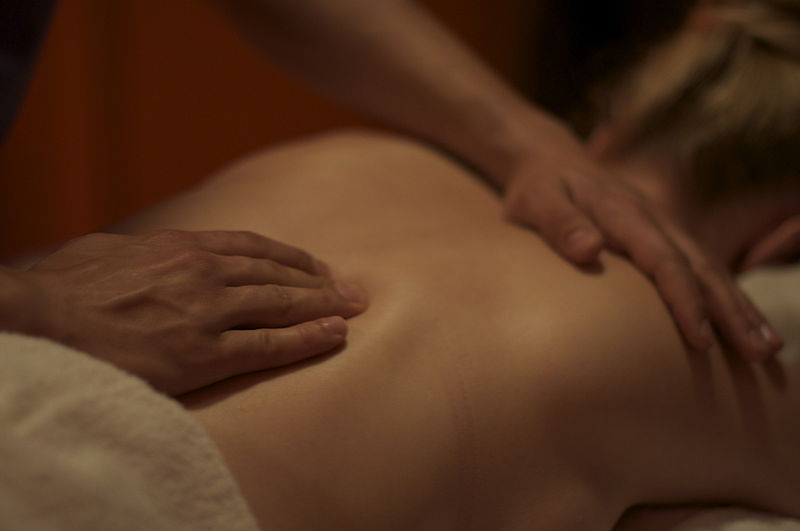
Millions of people suffer from low back pain. Some aches and pains may be caused by your work. Most minor back pain is caused by muscle strain from lifting, repetitive movements or sitting in one position for extended periods of time. Whether you lift boxes or sit at a computer screen all day, you can suffer from low back pain. You can reduce your risk of low back pain by doing exercises that strengthen your back muscles, employing proper lifting techniques and taking frequent stretching breaks if you sit at work. 
Sitting in front of a computer screen or at a work station for hours can contribute to low back pain. Take  3 to 5 minute break once each hour to stand up and stretch your back muscles. Put your hands on your hips and twist to the left and then to the right. Raise your arms over your head and reach for the ceiling to stretch the muscles from your shoulders down to your buttocks. You should have a chair with proper back support. Use a rolled-up towel between your lower back and the back of the chair if your chair does not provide enough support. Avoid slumping in your chair by maintaining good posture while sitting at your desk. Keep your shoulders back and hold your head up straight so that the bottom of your chin is parallel to the floor. 
Avoid low back pain and muscle injury by using lifting techniques to protect your back. If you lift heavy objects at work, always use proper lifting techniques or get help lifting very heavy objects. Lift heavy boxes and other objects by planting your feet shoulder-width apart and stand close to the object. Bend down from your knees, not your waist. Keep your back straight as you lower your body by bending your knees and get a firm grasp on the object. Squeeze your abdominal muscles for support and lift the object using your legs. 
Exercise that strengthens your back muscles is the best way to prevent and to relieve chronic low back pain. Exercises that strengthen your back and core muscles will help prevent lower back pain. Stretching exercises can help improve your flexibility. Maintain a healthy weight, too. You are at greater risk of low back pain if your are overweight. 

Should You Take Vitamins?

Photo Credit: Ragesoss CC-BY-SA-3.0

Vitamins are necessary for nearly every bodily function. Some vitamins are essential to your health: Vitamins A, C, D, E and K. You also need all of the B-vitamins including riboflavin, niacin, thiamine, biotin, folate and panthothenic acid. Too much of anything can be harmful to your health, and this holds true for vitamins as well. If you eat a well-balanced diet, you should be getting all the nutrition you need. Those who exercise strenuously on a regularly basis, body builders and runners may need a vitamin supplement. People who are limiting caloric intake and exercising to lose weight may also need a vitamin supplement. Pregnant women and women who are breastfeeding may also need to take a vitamin supplement to help prevent neural tube birth defects, like spina bifida. See your doctor if you think you need a vitamin supplement. 
An over-the-counter vitamin supplement may be necessary, especially for body builders and people who engage in frequent, vigorous exercise. Should you decide to take a vitamin supplement, consider taking a multivitamin. Choose one that does not contain ingredients that you may not need and may cause an adverse reaction. Some multivitamin supplements contain herbal extracts, which you don’t need and don’t want to take. Always read the label before taking a multivitamin. 
Consider your current health, your diet, your fitness level and how much you exercise and talk to your doctor before taking a vitamin supplement. A dietitian can help you to assess your nutrient intake from the foods you eat and help you adjust your diet to get more nutrients. 

For more information about vitamins see:

Social Fitness

Photo Credit: www.localfitness.com.au
Do you exercise alone at home or at the gym? Sometimes belonging to a group of like-minded people can be a great motivator. Friendly competitions or simply sharing time with others can make exercise more enjoyable, strengthen friendships and increase your social circle. How can you engage your current friends and find new friends through exercise? Here are a few tips to help you get started:
Communities across the USA are starting walking groups. Join a local walking group to make new friends. Start your own walking group if you can’t find one in your area. Recruit current friends, family and co-workers. Encourage them to bring someone with them, too. Schedule walks when the most people can join in the fun and exercise. Choose start locations that are convenient to the majority of the group and have fun!
Take a dance class for the aerobic exercise and to make new friends. Dancing, like ballroom dancing or Salsa dancing, is a low-impact form of exercise that is effective and fun! You can probably find a dance class close to your home. You don’t have to have a dance partner to join a class. There are almost always partners ready to dance with you. Line dancing is a popular dance style and doesn’t require a partner. You’re sure to make new friends and get a good workout at a dance class. 
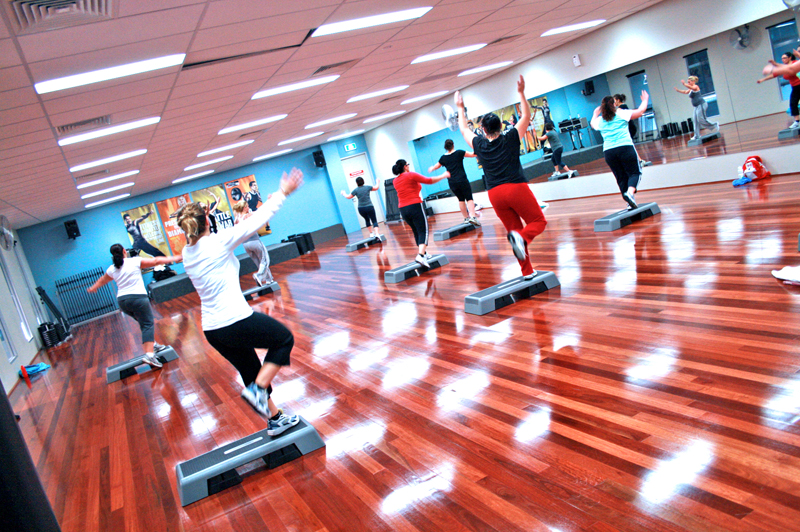
Most gyms offer group exercise opportunities, such as yoga, martial arts, Pilates and dance aerobics classes.  Join an exercise group at your local fitness center or gym to make friends and get fit at the same time. Those who need a more personal touch when it comes to exercise may consider a small-group exercise class offered by certified personal trainers. Personal trainers sometimes offer group training with 10 or fewer participants in the group. 

Plyometrics

Photo Credit: Joe Mabel CC-BY-SA-3.0

Plyometrics is exercise by jumping explosively. It was originally designed to help improve the jumping performance of Olympic athletes. This form of exercise can increase your muscle strength. According to the American Council on Exercise, plyometric training can improve leg strength, muscle power, balance, agility and improve bone health. Plyometric exercises include hopping and jumping, which targets the quadriceps to improve vertical jump power and joint strength.

Low-intensity plyometric exercises are best for beginners or people who do not exercise regularly. Hopping on one leg and then alternating or jumping up to and then down from a platform, like a step-aerobics platform, are good beginning exercises. Intermediate to advanced exercises include leaping over obstacles and jumping up and down from platforms as much as 42 inches high. 

You should not begin a program of plyometric exercise on your own. A professional fitness trainer and personal coach can help you develop a program to help you reach your goals and avoid injury. If you want to add some plyometric exercises to your regular weekly routine, see a doctor for a physical and then find a qualified fitness trainer.

Lose Weight Without Dieting

Photo Credit: Evan Swigart CC-BY-2.0
One of the most difficult things about dieting is feeling deprived. Starvation diets don’t work. In fact, they have the opposite effect because deprivation causes the metabolism to slow down so that your body stores more food as fat instead of burning it for energy. Fad diets can be dangerous because you may not get all the nutrients you need from the food you are permitted to eat while on the diet. The best way to lose weight without depriving yourself, or endangering your health, is to eat smaller portions, avoid sugars and fats and exercise. Some minor changes in your lifestyle and in your eating habits can make all the difference in weight loss.
Eat home-cooked meals at least 5 to 6 days each week. Some restaurants provide calorie and fat content information for menu items, but most do not. Use fresh vegetables if possible, but frozen vegetables are just as nutritious. Those with a busy lifestyle can cook on weekends to prepare meals for the upcoming week. Frozen dinners often contain large amounts of sodium, sugars, fats and preservatives. Even frozen diet meals may contain too much salt. Cook your own meals from fresh ingredients to avoid hidden calories in your meals. Slow down and eat more slowly. Savor your food instead of gobbling it down in a hurry. When you eat fast, your brain and stomach do not have time to communicate with each other, which can lead to overeating.
Serve more vegetables with each of your meals. If you normally eat one vegetable side dish at dinner, add a second vegetable. The high fiber content of most vegetables will fill you up faster without adding calories. Avoid adding cream or cheese sauces, which adds fat and calories to your food. Cook with herbs and seasonings instead of sauces. 
Switch your white bread and rolls for high fiber, calorie busting whole grains instead. The next time you reach for a soda, pour yourself a glass of water or tea. Replacing one soda with a glass of water each day can help you avoid about 10 teaspoons of sugar every day. Add lemon, fresh strawberries or lime juice to your water for flavor. 

Stronger, Trimmer Inner Thighs

Photo Credit: Exey Panteleev CC-BY-2.0
Short pants and skirts weather is here! Are you unhappy with the appearance of your inner thighs and want to trim and tone your muscles? It’s difficult to “spot train,” but you can “target” muscle groups with specific exercises. Do each of the following exercises for 20 to 30 repetitions each day to help trim and strengthen your inner thighs. 
Normal squats strengthen the upper thighs, calves, hamstrings, back and abdominal muscles. Take a wide stance when performing squats to strengthen and tone your inner thighs, too. Stand with your feet a couple of inches wider than your shoulder width. Point your toes outward. Keep your spine straight from the top of your head to your tailbone and slowly lower your body to a “sitting” position. Hold the position for 2 seconds and then push with your legs back to a standing position. Place your hands comfortably on your hips or hold on to a sturdy chair for balance, if necessary. Try to do this exercise without holding a chair for maximum effectiveness. Increase the effectiveness of squats by placing a ball between your legs. Hold the ball between your legs above your knees and squeeze it as your lower your body into the squat. 
Inner thigh pushes will really tighten up your inner thighs! Lie on the floor on your right side and support your upper body with  your right elbow and forearm on the floor. Stretch your right leg out straight. Bend your left knee and place your left foot on the floor in front of your right knee. Raise your right leg upward toward the ceiling. Lift until your feel your inner thigh begin to tighten and hold the position for 2 to 3 seconds, and then lower your leg to within 1 inch of the floor. Repeat with the other leg. 

Summer Vacation Workouts

Photo Credit: Mavila2  CC-BY-SA-3.0

Summer is almost here! The family vacation is an American tradition, but you don’t have to take a vacation from fitness to have fun and relax. Take advantage of your vacation to add some variety to your workouts. Whether you are going to a luxury hotel, in a cabin by the lake, hang out at the beach or go camping in the mountains, you can stay fit and energetic during your vacation while having fun. 

Many people enjoy the quiet, serene surroundings of a cabin by a lake. America offers plenty of idyllic vacation spots on lakes. You know that swimming is a great way to get a good whole body cardiovascular workout, but you’re on vacation to relax, right? Take a relaxing dip in the lake to cool off from the summer heat and get a good workout, too. Walk out in the lake until the water is under your chin and your toes touching the bottom of the lake. Tread water for 5 to 8 minutes and then walk back to waist-deep water to rest for 2 minutes. Repeat this exercise 2 times ever day of your vacation. Canoeing and rowing are excellent  ways to work out your upper body, arms, chest and back. 
For those staying in a hotel while visiting an historic town or taking the kids to a popular amusement park, you don’t have to neglect fitness. Hotels usually have pools and fitness rooms complete with exercise machines and weights. After breakfast, head down to the hotel exercise facility and workout on a treadmill, stationary bicycle or elliptical for 20 minutes and then cool off with a few laps of the pool for 10 minutes. You will feel energized and ready to take on your daily vacation agenda. 

Camping and hiking are popular family vacation activities. Mountain hiking and camping offer numerous opportunities to exercise and stay in shape on vacation. Getting to your campsite will be a great workout, but don’t just sit in the shade once you set up camp. Exercise by exploring for 15 minutes in the morning and 15 minutes in the evening. Don’t walk alone, carry your cell phone in case of emergency and a GPS device to help you find your way back to your campsite. 

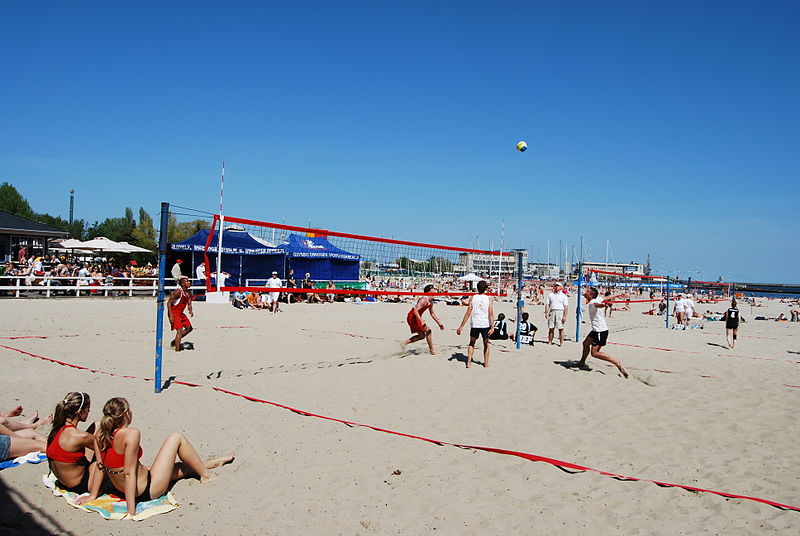
If you are vacationing at the beach, you will get a good workout just walking in the sand. The sand provides resistance that you can’t get walking on solid ground or on an exercise machine. You will definitely feel the positive effects in your shins, ankles, feet and calves. Wear a wide-brim hat, sunblock and sandals because the sand can become very hot during the day. Walk for 15 minutes in the morning and 15 minutes in the afternoon to stay fit,  while enjoying the ocean breeze and the scenery. Enjoy a game of beach volleyball and toss a Frisbee with your kids to have fun while exercising.