Food Alternatives for Lactose Intolerance

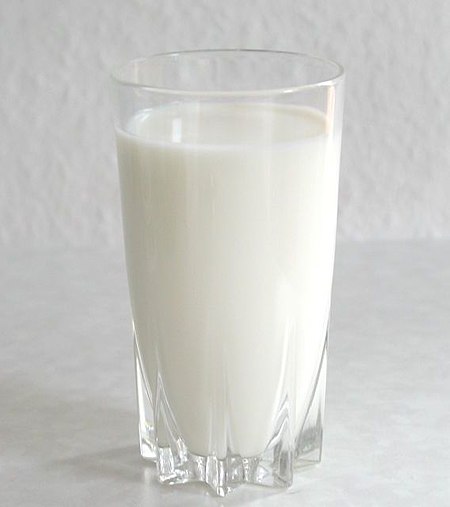
Photo Credit: Stefan Kühn CC-BY-SA-3.0 2004

Lactose intolerance is the inability to digest lactose. Lactose is found in milk and foods made with milk. Other foods that contain lactose include some breads, pancakes, cookies, waffles, doughnuts, pastries and breakfast cereals. Processed meats, such as bacon, sausage, hot dogs and luncheon meats also contain lactose. Margarine, salad dressings and whipped topping made with milk as well as ice cream, cheese and butter all contain lactose. Because lactose is found in so many foods, it can be difficult for the lactose intolerant person to get enough calcium, potassium and vitamin D. There are good alternative natural food sources of these nutrients. There are also alternatives to milk that are lactose-free and fortified with the vitamins and minerals found in regular milk and milk products. Vitamin D helps the body to absorb calcium for strong teeth and bones, and as such is a critical nutrient. 
Salmon and sardines are rich sources of calcium and omega-3 fatty acids. Green vegetables, including broccoli, spinach and kale greens are loaded with calcium as well. Soy and almond milk fortified with vitamin D, potassium and calcium can satisfy the daily recommended allowances of these important nutrients. Bananas are a good source of vitamins and minerals including potassium, calcium and manganese. Eggs are also a good source of vitamin D as well as protein. Most lactose intolerant adults can get enough vitamin D and calcium by eating fortified foods, fruits and vegetables, fish, whole grains and by choosing lactose-free milk alternatives. 

Making Sense of USDA Dietary Guidelines

Photo Credit: Garitzko Public Domain
The dietary guidelines for Americans, as recommended by the USDA includes some important recommendations to eat more of some foods and to reduce consumption of salt, fat and sugars. The guidelines are not strict rules for eating, but recommendations about how to improve your health by making wise food choices. Because so many Americans do not eat a variety of foods, nutritional deficits in fiber, calcium, vitamin D and potassium are too low and a public health concern. Many Americans are over-weight, especially children. A balanced diet of fruits, vegetables, lean meats and fish, fiber from whole grains, beans and rice can help combat obesity and disease. The goal of dietary guidelines is to help Americans make wise food choices for improved health. 
The USDA recommends that Americans eat more plants. Fruits, vegetables and whole grains contain essential nutrients for a healthy body. Vegetables and fruits may help reduce the risk of chronic disease like diabetes, cardiovascular disease and even some cancers. Vegetables and fruits contain important trace elements, such as magnesium, potassium, fiber, folates and vitamins. It is recommended that an adult eat at least 2 1/2 cups of vegetables and fruits every day. One way to increase the amount of fruits and vegetables in your diet is to trade chips and cookies for fresh fruits and vegetables. Snack on apples, pears and strawberries instead of popcorn or chips. Vegetable and fruit juices are another way to increase your daily intake. Make sure to read the label and buy only juices that are 100% fruit and vegetable juices without added sugar or salt. 
The USDA recommends that Americans cut back on refined grains like white bread, sugar, salt and solid fats. Processed foods are convenient, but they may not meet all your nutritional needs. The calorie-to-nutrient ratio in most processed foods is not balanced, meaning that the foods are high in calories with low nutritional value. Excess salt can contribute to high blood pressure, especially for a person who has a potassium deficiency. Processed foods, canned foods and ready-to-eat heat and serve meals often contain excess salt and added sugars. The USDA recommends limiting sodium to no more than 2,300 milligrams per day. Older people and those at risk for high blood pressure and diabetes should limit salt to about 1,500 milligrams per day. 

According to the USDA, solid fats and sugars account for as much as 35% of the average person’s daily caloric intake. One of the easiest ways to reduce the amount of solid fats and sugar in your diet is to avoid refined grain foods and to use vegetables oil and olive oil in place of fats like butter. Cutting back on fats, trans fats and sugars can also help reduce cholesterol levels. 
For more information and explanation of dietary guidelines, see:
United States Department of Agriculture, 2010 Dietary Guidelines

Diet Doesn’t Mean Deprivation

Photo Credit: Public Domain

Being on a diet and counting calories can sometimes leave you feeling deprived. Counting calories, cutting back on sugar, exercising and avoiding fatty foods is hard work. It can be difficult to decline a piece of birthday cake or a sweet snack at an office party. The good news is a small slice of cake or a sweet snack from time to time won’t destroy your diet. It’s okay to indulge a little bit for special occasions or to reward yourself for achieving an important fitness milestone. Choose low-fat, low-calorie deserts to reward yourself, but if you have a piece of cake, don’t beat yourself up. The important thing to remember is not to over-indulge. 
When you are counting calories, you don’t have to measure every meal. Common sense and nutritious foods can  help you avoid consuming too many calories. Keep a lot of low-calorie vegetables on hand. You can munch on lettuce, bell peppers, tomatoes, carrots, broccoli, celery and cucumbers without worrying too much about calories. These vegetables contain essential nutrients and fiber that your body needs. Keep some low-calorie salad dressing in the refrigerator to use as a dip if you want to add extra flavor to your veggie snack. 
Sometimes we just crave a particular food that we love. It’s okay to have a small slice of cheesecake, a piece of fried chicken or a banana nut muffin occasionally. Limit yourself to eating  high-calorie foods no more than once a week. Cutting out your favorite foods completely can leave you feeling deprived and unhappy, which may lead to an eating binge and will undermine all of your hard work. Give yourself a little treat once each week, then exercise an extra 5 minutes each day. Stock up on some low-calorie, low-fat versions of your favorite foods and reward  yourself with a treat that won’t leave you feeling guilty. Snack frequently and eat 5 small meals instead of 3 large meals each day. Choose tasty and healthy snacks like walnuts, whole grain crackers, grapes, orange slices and bananas. Fruit can satisfy your sweet tooth without undermining your weight-loss goal. 

Diet Destroying Appetizers

Photo Credit: Public Domain
Dining out in America often includes an appetizer that stimulates your taste buds with something to munch while waiting on the main course. Have you ever stopped to consider how many calories you consume in a small appetizer? Those cheese sticks, fried vegetables and creamy dips can add hundreds of calories and undermine your diet and weight-loss goals. The occasional indulgence won’t destroy your weight-loss program, but making healthy choices should always be your first priority. 
Deep fried onions with a tasty dip are a popular appetizer in some “steak house” style restaurants. Onions are low in calories, but it’s the batter, oil and the dip that undo your diet. Not only are extra calories and fat added to your diet, there’s a lot of sodium in the batter and dip. Opt instead for celery sticks and a low-fat ranch dip if it’s available. If your’re counting calories, this appetizer will definitely take you over the limit. 
Spinach and artichokes are healthy, nutrient-rich foods that taste delicious. They contain a multitude of vitamins and minerals and can be prepared various ways as side dishes and in dips. Favorite appetizers are spinach and artichoke dips. The diet busting cream sauce that serves as the base for the dip can contain over 1,000 calories, more than 2,000 mg of sodium and about 100 grams of saturated fat. You are better off eating a spinach salad with a low-fat vinaigrette salad dressing. 
The shrimp cocktail is a favorite appetizer for many people. Shrimp alone is low in fat, has few calories and is a good source of healthy omega-3 fatty acids that are essential for brain and other body functions. The cocktail sauce is the diet destroyer. Opt for a tomato-based sauce instead. Clams are also a good source of nutrients, but served in a chowder, the calories can add up. The cream base is the culprit. Try a bowl of  tomato-based vegetable soup instead of the chowder. 
Mozzarella cheese is a healthy food, but when it is battered and deep fried, the calories and fat can go off the chart. One serving of deep fried cheese sticks can contain nearly 1,000 calories and almost 3,000 mg of sodium. Sodium can cause your body to retain water, adding pounds. The loaded baked potato and loaded potato skins are not only loaded with flavor, they are loaded with fat and calories that can undermine your weight loss goals. Try some stuffed mushrooms instead. Mushrooms stuffed with breadcrumbs and cheese contain about 50 calories each. 

For more information about diet-busting appetizers, see:

Sweet Valentine’s Day Tips

Photo Credit: John Hritz CC-BY-2.0 2005

Are you planning a romantic Valentine’s Day complete with flowers, chocolates, champagne and a romantic dinner? You probably don’t want to think about your diet and weight loss on Valentine’s Day. It’s easy to forget about your diet and fitness when enjoying romance, dining and wine. Avoid regrets and weight gain by planning ahead for your romantic evening. 
Begin the day with a fiber-rich breakfast of whole grains and low-fat dairy. Eat healthy snacks throughout the day to avoid over-indulging at dinner. Snack on fresh fruit, yogurt and whole grain crackers. Drink plenty of water during the day and have an extra glass of water before dinner. Snacking on healthy foods throughout the day will keep you from becoming hungry and boost your metabolism. You can control the menu and calories if you have a romantic dinner at home. If you are dining out for Valentine’s Day,  become familiar with the restaurant menu. Skip the salad dressing or choose a low-calorie dressing. Select lean cuts of meat and steamed or grilled vegetables. Those yeast rolls may be delicious, but they are loaded with calories and fat. Choose whole grain bread or skip the rolls. Avoid the butter and salt on the baked potato. Drink alcohol in moderation. Choose a dessert that is low in sugar and calories, such as a fruit sorbet or fresh fruit. Enjoy a romantic stroll together after dinner to burn a few calories and enjoy each other’s company. Dancing after dinner is a great way to work off those dessert calories. 

Three Simple Changes for Weight Loss

Photo Credit: Hans Hillewaert CC-BY-SA-3.0 2011

It is difficult to completely overhaul your daily eating habits. If you haven’t started a diet and you aren’t sure where to begin, you are not alone. There is no shortage of fad diets, weight loss pills and so-called miracle powders that promise to melt the weight off. The truth is you have to change the way you eat, some of the foods you eat, and you have to exercise regularly to experience healthy, long-term weight loss. You don’t have to stop eating all the foods you love, but you do have to combine diet and exercise for maximum weight loss and a fit body. There are three simple changes you can make today that can start you on your way to losing weight.

1. Enjoy a bowl of soup before a meal. Broth-based soups are usually low in calories, but big on flavor. Soups like tortilla soup, minestrone or vegetable soup taste delicious and can help fill you up so you eat less. Avoid soups made with heavy creams and canned soups. These soups can be high in fat, sodium and calories. 
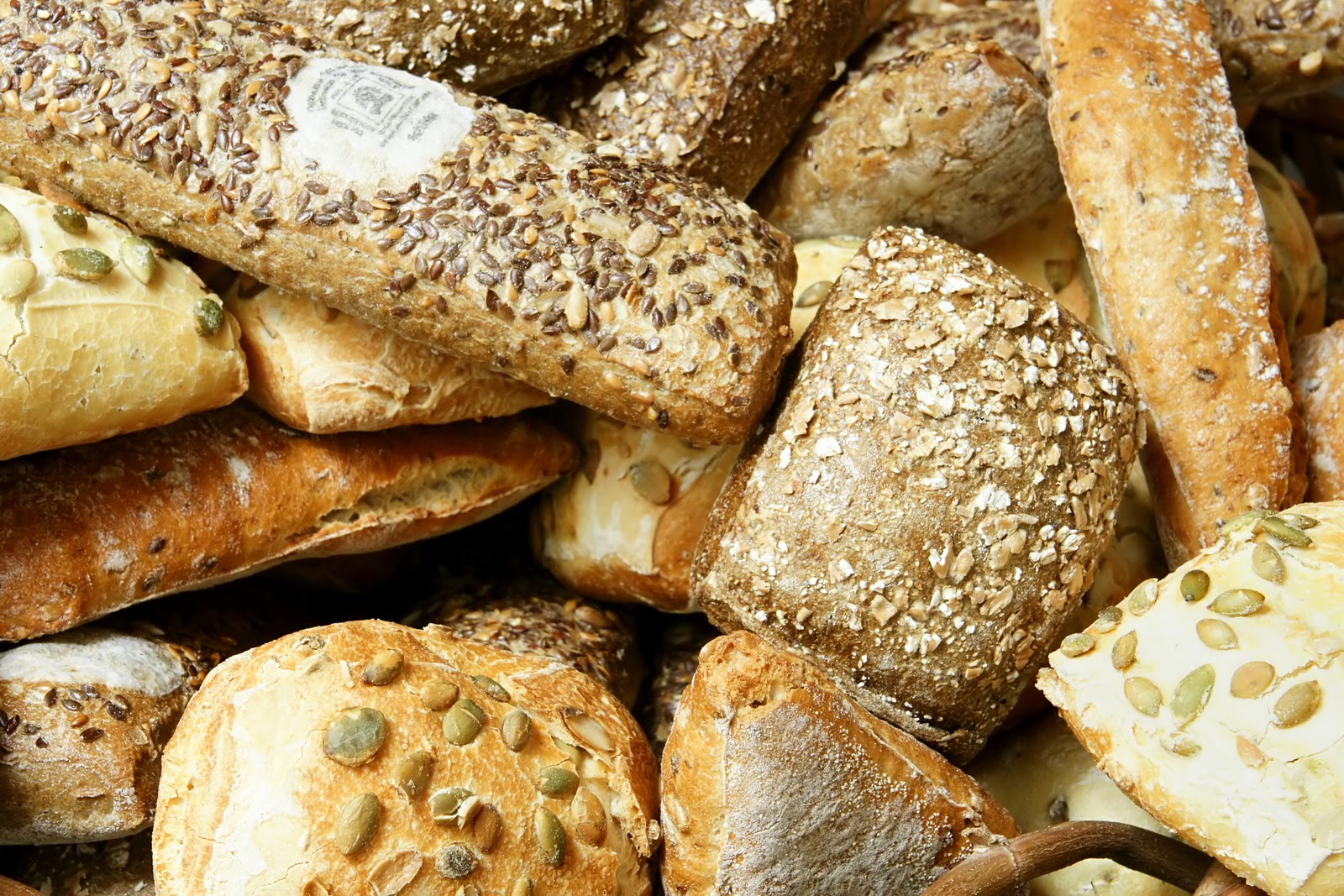
2. Choose whole grains over processed flour products. Replace your white bread and crackers with whole grains. Whole grain wheat bread contains fiber and many nutrients your body needs. You will feel more full after eating a whole grain bread than you do when you eat processed white bread. Have a bowl of whole grain oats or buckwheat cereal for breakfast. Whole grains contain the carbohydrates your body needs for energy. 
3. Drink more water. If you normally drink 2 sodas per day, replace one soda with a tall glass of water. Flavor water with fresh lemon or add some frozen fruit, such as blueberries or strawberries, to add natural sugars and flavor your water. Keep your body well hydrated. Your skin will look better and your organs will function more efficiently if your body is properly hydrated. 

Good Nutrition on a Budget

Markus Hagenlocher CC-BY-SA-3.0-migrated 2005

It can be tough to maintain a healthy diet of nutritious foods when you are on a tight budget with limited funds.  Food prices fluctuate, but mostly they continue to increase. The good news is that you can still find nutritious foods at cheap prices. The easiest way to cut your food expenses is to eat meals that you prepare at home. Skip the restaurants for dinner and avoid fast food for lunch. You will save money and feel better by cutting out extra fat, sodium and carbohydrates that are typically found in restaurant and fast foods. You will save money when you buy in bulk and avoid buying pre-packaged processed meals.

Dried beans and peas are a healthy, nutritious food that costs less $2 per 16 ounce package. Beans and dried peas are an ideal side dish, a main dish and add flavor to soups, salads and stews. Beans and peas contain an abundant source of protein and fiber. Dry beans and peas will double in size when cooked, so a little goes a long way. Soak dry beans in cold water and cook on low-to-medium heat at a simmer for about 30 minutes or until tender. .

Whole grain oats are a superb value and can be used in many different dishes. Oats can be cooked and eaten as a hot breakfast cereal or used as a topping for yogurt. Oats can also be eaten in muffins and low-sugar cookies. One serving of oats costs less than $0.15. Oats provide plenty of protein and fiber, which makes it a perfect heart-healthy food.

Vegetables remain a good buy and are an essential part of a healthy diet. You can save money by purchasing frozen vegetables instead of fresh produce. Frozen corn, green beans, peas, carrots, broccoli and Brussel sprouts are usually available in large and medium-sized bags priced from around $2 to $4 per bag. A 24-ounce bag of frozen vegetables contains about 8 cups of vegetables. Vegetables are low in calories, high in fiber, protein, potassium and Vitamin A and Vitamin C.

Rice is a stable food for millions of people around the world. Brown rice is delicious alone or as a side dish. Cook brown rice until tender and use it in soups, casseroles or salads. Brown rice costs less than $0.20 cents per serving and a small bag that contains 10-1/2 cup servings costs less than $2. Brown rice is packed with protein and fiber making it a healthy food choice. Whole wheat pasta costs around $0.25 per serving. Use whole wheat pasta for cold pasta salad dishes or as a main dish. Whole wheat pasta is rich in nutrients and fiber.

Buy in bulk when you can to cut your grocery bill without sacrificing nutrition. If you have the space, grow some vegetables. Tomatoes, cucumbers and beans can be grown in a small area or in patio containers. Join a community garden where you can grow carrots, corn and potatoes. If you are a city-dweller and don’t have space or there is no community garden in your area, start a community garden. Shop at a farmer’s market for fresh vegetables grown in your area.

For more information about eating better meals for less money, see:

MSNBC, Eat Better for Less Money, 2009

Stay Your Diet

Photo Credit: Public Domain
It’s easy to fall off the diet wagon when friends and family visit during the holidays. It is difficult to decline a piece of chocolate cake smothered in butter frosting. It’s also easy to over-indulge at the holiday dinner table. It is easier to resist the urge to have a second helping of mashed potatoes and gravy, and the sugary sweet pecan pie won’t look so enticing if you are not hungry when you sit down to partake of the holiday feast. A few easy to implement tips can help you resist the urge to over-eat and eat foods that can destroy your diet.
Begin your day with a high-fiber, nutrient rich breakfast. Skipping breakfast can result in hunger and it can slow your metabolism. People who eat breakfast have more energy and are less hungry during the mornings. A high-fiber breakfast is not only good for you, it keeps you feeling full longer. Oatmeal with low-fat milk and fresh fruit, like bananas or blueberries, is a great way to get vital nutrients and fiber. Drink a glass of calcium and Vitamin C- rich orange juice with your breakfast. Whole wheat waffles or pancakes made with whole wheat flour and sweetened with light corn syrup or fresh fruit can provide most of your daily fiber requirements. 
Water is essential to good health, yet often we do not drink enough water. Start the day by drinking a large glass of water. Drink another glass of water mid-morning and another glass before lunch. Drink more water in the afternoon. Just before you sit down with your family and friends at the holiday banquet table drink another glass of water. A large glass of water just before your holiday meal will help you feel more full so you will be less likely to over-eat. Eat a salad before the main course. Select fresh vegetables, such as spinach, tomatoes, radishes and shredded cabbage. Select shredded carrots instead of cheese and don’t load your salad with  a high calorie salad dressing. A light vinegar and olive oil salad dressing will bring out the flavor of the vegetables and add far fewer calories. 
Put no more than one cup of a variety of side dishes on your plate. Resist the urge to have a second helping. Chew your food slowly and savor the flavors. Chewing slowly also helps stimulate the secretion of digestive enzymes in your mouth. The stomach is slow to send signals to the brain, so you may not know you are full right away. Eating slowly gives your stomach time to signal the brain that you are full and it’s time to stop eating. When you are full, remove your plate from the table to avoid putting a second helping of stuffing on your plate.

High Calorie Holiday Foods to Avoid

Photo Credit: Tim Lewis CC-BY-SA-2.0 2008 
All those delicious holiday treats and traditional dishes can tempt even the most dedicated dieter and weight-conscious. nutrition oriented person. The occasional treat probably won’t undermine all your hard work to stay lean and fit, but be careful not to over-indulge in some foods on the holiday banquet table. Balanced diet and exercise are essential to keeping your weight under control and staying healthy.
Swedish meatballs are a holiday tradition in many households, but did you know that many recipes call for loads of butter, white bread, salt and fattening heavy cream? One cup of Swedish meatballs can have as many as 400 calories! Individual meatballs can be small, which makes it easy to over-indulge in these tasty treats. Eggnog is another traditional holiday treat that has over 400 calories per one cup serving. Eggnog contains bourbon, sugar, eggs and cream. Opt for a nice hot cup of flavored tea instead of eggnog.
A baked potato is a healthy food that is rich in vitamins and minerals, but when you load it up with cheese, butter, bacon bits and sour cream, you’ve also loaded up on the calories and the fat. One baked potato with bacon and cheese has over 330 calories. Skip the bacon and cheese and enjoy your baked potato with low-fat sour cream and chives. Steamed vegetables, such as broccoli, carrots and asparagus, taste delicious and are packed with nutrients and vitamins. Load your baked potato with these tasty alternatives.
Red meats like pot roast and steaks can have as many as 400 calories per serving. Choose lean cuts of meat and skip the drippings and gravy. Roasted white meat turkey is lower in fat and has fewer calories if you don’t eat the skin. Where there’s a turkey there will probably be stuffing. Cornbread stuffing made with onions and celery contains fewer calories and less fat than sausage or white bread stuffing. 

What would a holiday dinner be without dessert? Fruitcake and pecan pie are two traditional holiday sweets that can ruin your diet. A one-inch square piece of fruitcake can have almost 60 calories! One slice of fruitcake has nearly 400 calories. Pecans are a nutritious snack when eaten alone, but when you bake them in a buttery pie crust with sugar, butter and corn syrup you’re asking for a calorie overload! One slice of pecan pie contains around 360 calories. Fresh fruits and berries are a healthy alternative to pies and cakes.
You’ve just got to have one of those crispy, flaky sweet sugar cookies! Think about it before you reach for a second cookie. Sugar cookies are usually made using processed, bleached flour, whole eggs, butter and a lot of processed white sugar. Oatmeal cookies made with whole grain oats and sweetened with light corn syrup and raisins are delicious and packed with fiber. 

Essential Nutrients for Every Body

The path to fitness requires not only regular exercise but also a nutrition rich, healthy diet. Dietary supplements, such as vitamins and mineral tablets or drinks, can help fill in the gaps in your diet, but most people can get all the nutrients they need from food. Making healthy food choices is easy when you know what your body needs to function and stay healthy.
Adults need calcium to help maintain bone health, blood pressure and healthy body weight. Most people can consume enough calcium every day by eating a variety of dairy and calcium-enriched foods. Milk is a good source of natural calcium. Low-fat milk is often enriched with Vitamin D and additional calcium. Yogurt, hard cheeses and soy beverages are also a good source of calcium and magnesium. Orange juice is rich in calcium and is also a good source of potassium. 

Photo Credit: J. Smith CC-BY-SA-3.0

Magnesium is an important mineral that helps promote bone strength and boosts your immune system. It is an essential nutrient for normal heart and nerve functions. Whole grain foods are rich in magnesium. Include some cracked wheat and quinoa in your diet. Almonds, dried beans and pumpkin seeds are a good source of this essential mineral. Quinoa and whole wheat are also rich in fiber and calcium.

You probably know that Vitamin C helps promote your immune system, but did you know that Vitamin C is also critical to maintaining healthy collagen? Collagen is the connective tissue that keeps your bones, skin and muscles healthy.

Fresh fruits and vegetables are an excellent source of Vitamin C. Raw kiwi, oranges, strawberries and broccoli are good sources of this nutrient. Broccoli is also a good source of Vitamin A. Carrots, spinach, sweet potatoes and cantaloupe are good choices for Vitamin A, Vitamin E and magnesium. Sweet potatoes and dried beans also provide potassium which is essential to maintaining a healthy blood pressure