5 Easy Diet Tips

Photo Credit: Jocian CC-BY-SA-3.0,2.5,2.0,1.0
When you hear the word diet, do you think deprivation or hunger? A diet should not feel like punishment. You don’t have to give up all of your favorite foods. To lose weight, you must burn more calories than you consume. You need to get at least 30 minutes of moderate exercise each day and eat a healthy diet to lose weight, but deprivation and hunger should not be part of your weight-loss plan. Keep a food diary and list the amount of calories you have consumed beside each food you eat. A food diary is invaluable to help you keep up with your calories so that you do not over-eat and have to work harder during exercise sessions to burn off the extra fat. 
Enjoy your favorite foods to help prevent that feeling of being deprived from undermining your weight-loss goal. Instead of cutting out all sweets and candy, cut back on the amount you eat. Have one or two of your favorite cookies for dessert, but don’t keep the box on the table in the television room. Buy smaller packages of cookies and candies and keep the package out of sight. Place the package high in your pantry or on the top shelf in a cabinet. If you have to work a bit to get to your treats, you will be conscious of the amount of sweets you eat. 
Drink plenty of water! The importance of water for your health cannot be over-emphasized. In addition to providing hydration, water can also help you lose weight. Drink 8 ounces of water before every meal and before each snack. Water helps you feel less hungry, which then helps to prevent over-eating. Try a zero calorie, sugar-free flavored water for variety. Replace your afternoon latte pick-me-up with a cup of green tea. Green tea has many health benefits and may stimulate your metabolism.
Choose healthy, low-calorie snacks instead of chips, cookies or candy. Nuts, baked whole-grain crackers and fruit are healthy, nutrient-rich snacks that will satisfy your sweet tooth and snack habit without destroying your hard work counting and controlling daily caloric intake. Cut portions of snacks in half to help reduce the amount of calories you ingest. Try 1/2 scoop of ice cream instead of a whole scoop. Skip the chocolate syrup and try adding some fresh fruit instead. 
Adding spices to your food boosts flavor and helps you to lose weight. Spicy foods and flavorful foods help you feel more full while eating smaller portions. The aroma of your food is part of the enjoyment of a meal. Spicy foods with a delicious aroma can help you feel fuller sooner. Chew slowly and savor each bite. Eating slower will allow your brain and stomach time to communicate with each other so you feel fuller faster. 
Include fiber and protein in every meal. Lean meats, fish, poultry and beans are good choices. Vegetarians and vegans can get plenty of protein by eating legumes, wild brown rice, whole grains and nuts. Vegetables are also rich in protein and fiber. If you think you are not getting enough nutrition while on a diet to lose weight, a dietitian can help you design a menu that provides all the nutrition you need without adding too many calories to your diet. 

Exercise and Air Pollution

Map Courtesy Environmental Protection Agency AirNow.gov
Air pollution can be a problem if you exercise outdoors. Air pollution comes from both natural and man-made sources. Pollutants are substances in the environment which lower the environment’s quality. Pollutants, such as sulfur oxides and lightning, are produced by lightning and volcanic activity of the Earth. Primary air pollutants are produced by human activity and include substances, such as carbon monoxide and hydrocarbons. Pollutants interact with the air. The result is more pollution in the form of ozone, sulfates and aldehydes which causes smog.
Pollution can have serious negative effects on your body. Carbon monoxide binds to your red blood cells which reduces your blood’s ability to absorb oxygen. Ozone causes upper respiratory irritation and irritation of the air passages inside your lungs. Smog can irritate your eyes causing them to be itchy, watery and red. There are some things you can do to reduce pollution’s effect on your body when you exercise outdoors during times of high pollution.
Breath through your nose to prevent pollutants from directly entering your lungs. The nose and nasal cavity is lined with mucous producing cells that help to remove irritants. 
Schedule your outdoor activity during times when pollution levels are lowest. Early in the morning and late in the evening may be better times to exercise outdoors. 
Exercise outdoors away from traffic. Instead of running or jogging on a heavily traveled street, choose to run in a park. If you must run or jog on a street, avoid exercising during peak traffic times. 
On days when pollution levels are high, exercise indoors if possible. 
You can check the pollution levels in your area and keep up with air quality alerts by going to AirNow.gov

Improve Your Muscular Strength And Endurance

Photo Credit: satguru CC-BY-2.0

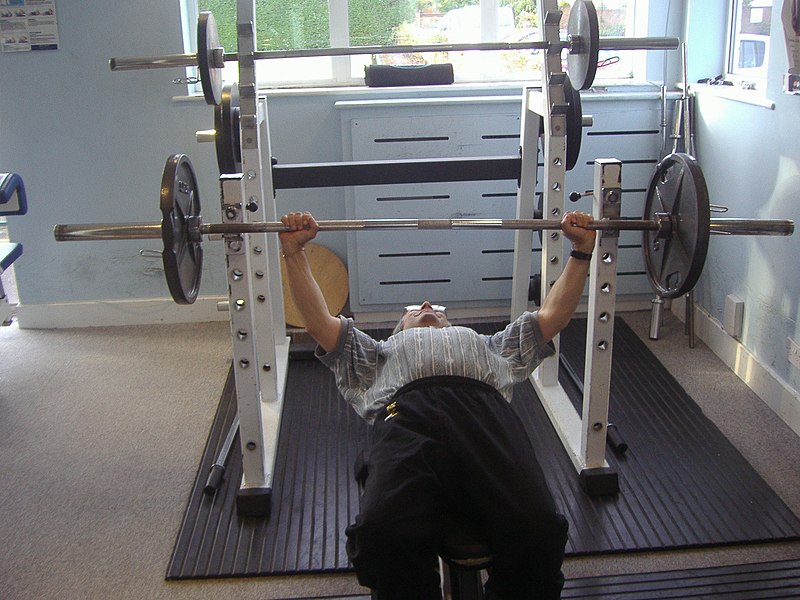
Muscular strength and muscular endurance are both part of your overall muscular health. Strength is the amount of force that your muscles exert to do a particular task, such as lifting a heavy weight. Muscular endurance is the ability of your muscles to repeat contractions to do a task for a specific length of time. Exercise can be designed to work either strength or endurance, or both at the same time. Progressive resistance exercise by lifting weights can improve both components of your muscle fitness. 
Start with light weights during the first week of a new muscle endurance workout. Using light weights allows you to focus on proper form instead of straining to lift the weights. Proper form when lifting is critical to success and to prevent injury. Gradually add weight as your strength and endurance improves. The amount of weight to add depends on the number of repetitions you can do before your muscles give out. You should increase the weight until you can do 8 to 12 repetitions before you have to stop. If you can only do 6 or 7 repetitions of an exercise, reduce the weight. Add more weight if you can do more than 12 repetitions.
After 3 weeks of lifting progressively heavier weights, focus on increasing the number of sets of 12 repetitions per exercise to condition the muscles. Do 2 sets of 12 repetitions of each weight lifting exercise. Continue to do 2 sets of 12 repetitions until you can easily perform the routine without becoming exhausted. Continue to do muscle strength and endurance exercises to maintain your muscles. Exercise every other day, three days each week for maximum retention results. 

3 Small Changes That Make A Big Impact On Weight Gain

Photo Credit: Cyclonebill CC-BY-SA-2.0
Weight loss is a simple idea: burn more calories than you eat each day. Some people have difficulty losing weight despite lifestyle changes that include exercise and a healthier diet. There are many factors that impact weight-loss. Sometimes even the smallest changes can make a big difference in your success.
Your mood and your attitude have a significant impact on your weight-loss efforts. Negative emotions, such as anger, guilt and anxiety, can inhibit your weight-loss efforts. The stress hormone cortisol can cause your body to store fat, especially around the waist. Exercise can help to reduce stress and counter the impact of stress hormones.
People-pleasers tend to have difficulty losing weight. A people-pleaser does not want to offend and tends to go with the flow when in a group. Dinner with friends can mean having a big slice of cake with chocolate syrup and whipped cream for dessert because your friends pressure you to have dessert. When you are pressured to have dessert or to eat something that you know will have a negative impact on your diet efforts, stick to your diet and tell your friends politely that you don’t want to eat more or have a dessert.
Most people are over-extended by numerous commitments, such as work, social events and driving the kids around to various activities. As a result of a busy lifestyle, we tend to eat fast. When you eat quickly without properly chewing your food, you tend to eat more. Chewing your food slowly stimulates appetite suppressing hormones which help you feel full faster. Chew your food slowly and savor the flavors. You will enjoy your meals more and it will help you to lose weight.
Try some iced green tea instead of soda. Regular soda is loaded with sugar which can pack on the pounds. Trade your coffee with 2 sugars for a cup of hot green tea. Drinking green tea regularly can reduce fat absorption in your blood and stimulates your body to eliminate fat.

Water Workout

Photo Credit: Rufino Uribe CC-BY-SA-2.0
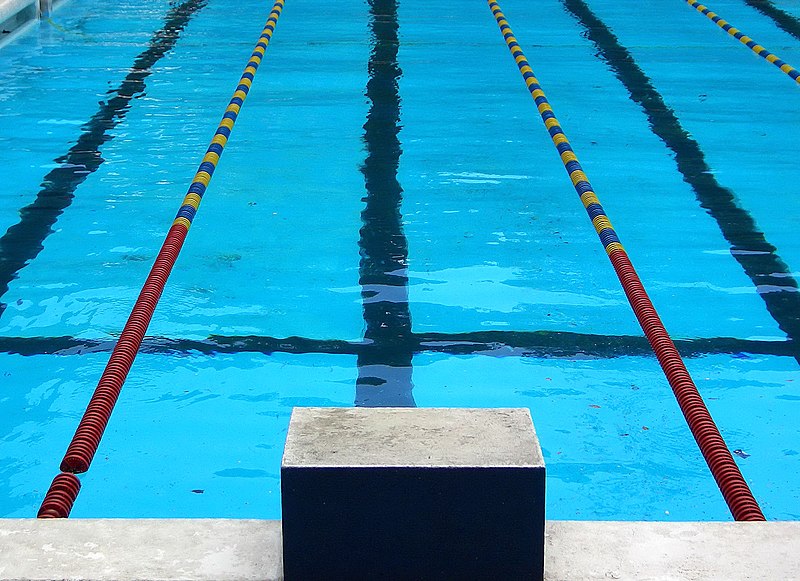
Water workouts can help you to achieve your fitness goals and reduce your risk of injury. Water workouts, including exercises like deep-water running and jumping, are safer than performing the same exercises on land. The buoyancy of water supports your body weight reducing your perception of your weight by as much as 90 percent. Running and jumping on land causes compression of the joints and spine as the energy of your foot striking the ground is transferred to your bones and joints. You are also less likely to have sore muscles after water exercise. 
You don’t need to know how to swim or be a good swimmer to do water exercise. Exercising in a pool or lake also helps to keep your body cool during strenuous exercise.  Use a flotation device and enjoy a cool, invigorating water workout. Get at least 30 minutes of aerobic exercise every day and eat a healthy, low-fat diet to lose weight or maintain your current weight. Try some water exercises in any combination that you prefer. 

Jog in place for 5 minutes in the shallow end of the pool, up to your waist. Move your legs and your arms as you would if you were jogging on land. Jump from side to side in the shallow water 10 to 15 times. Next, do some squat jumps. Squat down with your arms stretched straight out from your shoulders. Jump up explosively as high as you can. Repeat the squat jump 10 times. Go to the side of the pool and lead back against the pool edge with your arms stretched out along the side of the pool. Pump your legs like you are riding a bicycle. Do this for 10 minutes. Finish off your water workout by running across the pool and back again in water up to the middle of your chest. Walk for 5 minutes in the shallow end of the pool to cool down. 

Get Flatter Abs Without Doing Crunches

Photo Credit: Keris Timol CC-BY-SA-3.0
You want a flatter tummy but you don’t want to do crunches? You’re in luck. There are many exercises you can do that will help flatten your tummy and strengthen your abs. You can’t spot-reduce fat, like trying to get rid of belly fat alone, so get at least 30 minutes of moderate aerobic exercise every day to help burn fat all over your body, including your belly. Reduce your caloric intake and cut down on fats, sugar and processed foods to promote weight loss. Improving your posture will make your stomach look slimmer. When you slouch or slump your belly protrudes. Stand up straight with your shoulders pulled down and slightly back. Then, try some of the following exercises to tighten up your abs. 
The abdominal twist works all your abdominal muscles including those hard to train obliques on each side of your waist. Stand up straight with your feet about hip-width apart. Stretch out your arms and interlace your fingers with your palms together. Lift your left knee up toward the right side of your body and simultaneously twist your body and your arms toward the left. Lower your left foot, straighten your body and then repeat on the other side. Do 10 repetitions in the beginning. Add more repetitions as you grow stronger and leaner. 
You can do the ab hold exercise sitting down. Sit on the edge of a chair that does not have arm rests. Straighten your back and place your palms on the edge of the chair with your fingers pointing forward. Squeeze your abs tight and lift your feet off the floor about 2 inches and then lift your bottom off the chair using your arms. Hold this position for about 5 seconds and then relax and sit back down. Repeat this exercise 8 to 10 times. 
The arm and leg raise can be done as a warm-up exercise prior to doing your regular aerobic or strength building exercise. Get on the floor on your hands and knees. Keep your back straight from your hips to your shoulders. Look down at the floor. Squeeze your abs tight. Lift your right arm and your left leg and stretch them out fully. Hold the position for about 5 seconds and then return to your hands and knees. Repeat the exercise with your left arm and your right leg. Do 8 to 10 repetitions on both sides. 

Foods That Make You Sleepy

Photo Credit: Sami Keinänen CC-BY-SA-2.0
Do you sometimes feel drowsy after a meal? Does lunch leave you sleepy in the afternoon? Have you tried to cut down on portions but still feel tired after eating? It may not be how much you are eating but the types of foods you select that are draining your energy. 
Carbohydrates with a high glycemic index will make you feel tired after eating. A high glycemic index means that the foods release glucose, or sugar, into your blood soon after eating. The sudden infusion of glucose can make you feel drained of energy and sleepy. Mashed potatoes, pasta, white bread and white rice are all have a high glycemic index. You might want to avoid eating these foods for lunch, but they might help you fall asleep faster at night. 
Fried foods and fatty foods can make you feel tired. High-fat meats and oily foods make your digestive system work harder to break down your food. Fried cheese snacks, corn chips and potato chips will make you feel tired and bring on the yawns. Pasta, especially when served with a sauce that is high in fat, such as a cheese or cream sauce, can rob your energy and leave you feeling exhausted after a meal. Again, avoid these foods at lunch time unless you are able to take a nap afterwards.
Foods high in sugar can also drain your energy. Refined sugar raises your blood sugar level, which stimulates your body to release insulin. Insulin then triggers the release of tryptophan, which is changed to serotonin. Serotonin is the “relaxation” hormone that tells your body it is time to rest. Cakes, pies, cookies, candy and doughnuts made with refined sugar may put you to sleep after eating. If going to bed after eating is not an option, and you just have to have your dessert, try a low-sugar or sugar-free deserts.
Check out Woman’s Day for a list of foods that may help you sleep.

Exercise And High Blood Pressure

Photo Credit: Администрация CC-BY-SA 3.0
One in three Americans suffer from high blood pressure. High blood pressure increases your risk of  stroke and heart disease. Medication can control your blood pressure. Lifestyle changes can also help keep your blood pressure in check. A healthy, low-fat diet and plenty of exercise can help reduce your blood pressure or help prevent high blood pressure. If you already have high blood pressure, check with your doctor before starting a workout program.
Your risk of high blood pressure is increased if you are over-weight or obese. A healthy diet combined with exercise can help you lose weight and lower your blood pressure. Include plenty of fruits and vegetables in your diet. Avoid eating foods that are high in sodium and don’t add extra salt to your food. Processed foods, restaurant meals and fast foods are often very high in sodium. When you eat out, ask your waiter for a low-sodium menu. 
You need at least 30 minutes of exercise every day, which can help lower your blood pressure. Walking, jogging and bicycling are excellent ways to get active. Resistance training, such as lifting weights, using exercise bands and working out on weight machines help burn body fat for weight-loss and strengthen your heart. You don’t have to exercise for 30 continuous minutes to enjoy the benefits of physical activity. You can work out 10 minutes in the morning, 10 minutes in the afternoon and 10 minutes in the evening. Exercising for 15 minutes before work in the morning and 15 minutes in the evening after work can energize you for the day and help you relax in the evening. 

Learn to check your blood pressure and check it regularly, even if you feel fine. Follow your doctor’s advice and continue to take prescribed medications as directed by your doctor. Be aware of your limitations and don’t overdo it. Stop exercising if you feel pain or feel dizzy. If you feel any discomfort or tightness in your arms, chest or throat, stop exercising. Avoid exercising outdoors on hot, humid days. See your doctor regularly and take your medication as prescribed. 

Setting Goals For Fitness Success

Photo Credit: Frank C. Müller Public Domain

When you decide to change your lifestyle to lose weight, build muscle or simply improve your overall fitness, it’s important to set realistic goals. The first step is making the decision to change. It is important that you make the decision to change your lifestyle and improve your level of fitness for your own reasons. You have to be ready to change for your own reasons, not to please other people. If you feel you are ready to get started on the road to a healthier weight and a fitter body, take the next step by setting realistic goals. If you set your goals too high, or expect to see almost instant results, you may become discouraged and give up. 
Select goals that you will be able to reach. Set both long-term and short-term goals. Short-term goals can be anything from one day to a few months. Short-term goals should be small steps to help you achieve your long-term goals. Long-term goals are those you want to achieve within 6 months to one year. Realistic short-term goals may include losing 1 pound each week or increasing the time you exercise by 5 minutes every day until you can exercise for a full 30 minutes. Examples of long-term goals may include losing 30 pounds in 6 months or running 5 miles 2 days each week. No matter what your fitness goals, take it focus on achieving one goal at a time. Reward yourself when you achieve a goal. For example, when you reach your goal of losing 5 pounds in 2 weeks, buy yourself a new outfit or those great shoes you’ve been eyeing. 
Make sure you have a support system when you make the decision to change your lifestyle. It is important to have someone to help keep you motivated and inspire you to keep going. Involve your friends, family and co-workers to help you set and achieve your goals. Sometimes it helps to join a group of like-minded people who share similar goals. A fitness club, a weight-loss group or an online support group or forums can often help keep you motivated to reach your goals. A professional can often help you to set goals and take the steps necessary to achieve your goals. Dietitians, fitness trainers or your doctor can help you determine the best way to eat, exercise and lifestyle changes will help you reach your goal weight and fitness level. 
If you feel like giving up, remind yourself of the goals you have already achieved and congratulate yourself for the positive changes you’ve already made. Sometimes you may not reach a goal. That’s okay. Don’t punish yourself by feeling badly or quitting. You’ve made progress. Maybe you need to evaluate your goal. If you set unreachable goals you will be disappointed. Keep going and before you know it you will have made your target weight-loss and fitness goals.

Easy Balance Exercises

Photo Credit: David Maisel CC-BY-3.0

Good balance is important to avoid falls and injury. Balance helps you shift your body’s center of gravity to avoid falling if you slip or trip. Balance exercises should be done for at least 5 minutes every day. Gradually increase the time you spend doing balance exercises until you can do balance exercises for 15 minutes each day. Before doing balance exercises, move all objects, such as shoes, books and toys, out of the room where you will be exercising. Use a sturdy chair to help you maintain your balance when you first start doing balance exercises. 
Start with a single leg balance exercise. Hold on to the back of a chair or place your hand on a wall for support if you need help. Stand up straight and place your feet about hip-width apart. Slowly lift one leg straight out and up about 3 to 4 inches off the floor. Hold this position for about 1 minute. Bring your foot back to the floor and repeat this exercise with the other leg. Eventually you want to do the single leg balance without holding onto a chair or the wall. Once you master the single leg balance, try to do it with your eyes closed. You can increase the difficulty of this exercise by standing on a soft surface, such as a pillow. 
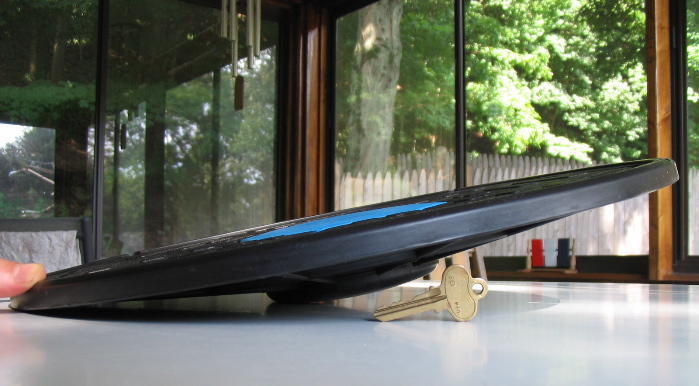
Wobble boards are balance exercise boards that “wobble” under your feet. You should not use a wobble board if you suffer from a serious imbalance or have an inner ear condition that affects your balance. The wobble board improves your sense of where your body is in space, also called  proprioception. Use a wobble board with bare feet on a soft carpeted floor until you become adept at balancing on this device. Don’t use a wobble board on hardwood or tile floors because you could be injured if you lose your balance and fall. Stand on a wobble board with both feet about hip-width apart. Hold onto a chair or place your hand against a wall for support until your balance improves. Rock the board gently back and forth and side to side. Balance on the wobble board for 3 minutes each day.