Benefits of Push-ups for Women

Photo Credit Mike Baird CC-BY-2.0
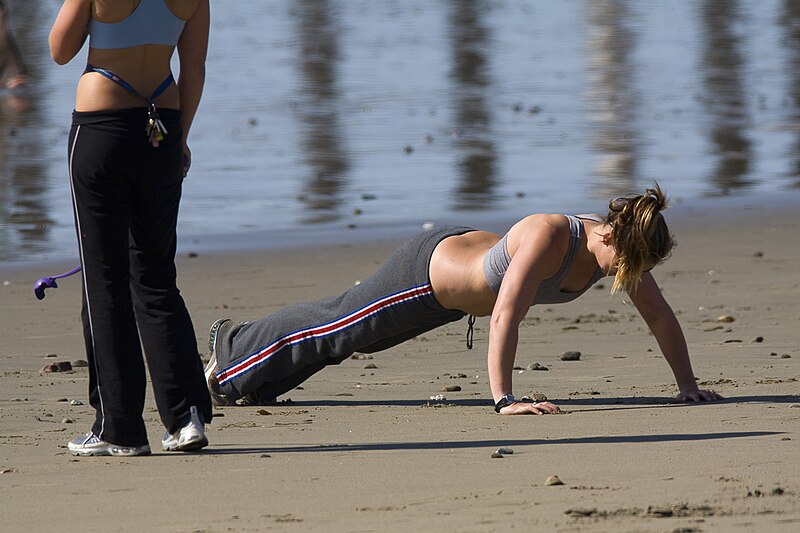
The push-up is a good way to work your chest, abs, glutes, legs, arms and shoulders. The simple push-up works just about every major muscle group in your body. Bodyweight exercises, such as the push-up, use your own body weight against the resistance of gravity to help build strong, firm muscles. Push-ups are especially good for women because the exercise is great for chest and arm muscles.
Many women can benefit from push-ups because the exercise improves upper body strength. The forearms, biceps and the difficult to train triceps on the back of the arms get a good workout. Larger, stronger pectoral, or chest, muscles can help improve the appearance of the breast area. Your shoulders and upper back will also become lean and sculpted.
There are several different forms of the push-up exercise. The easiest to do is on your hands and knees. This style of push-up is great for beginners but still a good workout. Wall push-ups are a good option when you can’t get on the floor. Stand arm’s length from the wall and place your palms on the wall at shoulder height. Keep your feet flat on the floor and lean in toward the wall. Push your body back using your arms.


Stretch Before You Ride

Photo Credit: Jim Henderson PD
Riding a bicycle is a great way to get a good cardiovascular workout, improve muscle mass and lose weight. An increasing number of people leave the car in the garage or driveway and cycle to and from work to save money while getting fit. Be sure to take all safety precautions, including wearing a helmet, reflective clothing and riding in designated bike routes. Another precaution you should take is to stretch your muscles before hitting the road. Stretching your muscles improves your flexibility to reduce your risk of injury from muscle strain and joint sprains.
Your butt will be doing a lot of work during your ride. You should stretch the gluteus maximus and related muscles prior to riding. To stretch your glutes, lie on your back. Bend both knees and place your feet on the floor near your bottom. Place your left ankle on the top of your right thigh just below your knee. Use your left hand to gently push your left leg out and toward the floor. Push gently until you feel your left buttock begin to stretch. Hold the stretch for a few seconds and repeat on the other side.
Your legs are going to be pumping and pushing as you ride. Don’t forget to stretch your calf muscles, too. Stand next to a wall with your hand on the wall or hold onto a chair for balance. Step forward on one foot with your knee slightly bent. Keep your back leg straight with your foot flat on the floor. Lean forward until you feel the calf muscle in your rear leg begin to stretch. Hold for a few seconds and repeat with the other leg.
Stretch your hamstring muscles on the back of your legs before you ride. A pulled hamstring muscle is painful and will keep you from riding until it heals. Stand in front of a bench or low table and place one foot on the bench. Keep your other foot flat on the floor. Slowly bend forward at the hips and lower your face toward the foot on the table or bench. Bend forward until you feel the muscles in the back of your leg start to stretch and pull. Hold the stretch for a few seconds and then switch sides.


3 Tips to Trim and Firm Your Butt

Photo Credit: Hidden Collection CC-BY-2.0
Most women, and some men, are not happy with the way their butt looks. Maybe it’s too big or not round enough. Do your jeans fit too tight or sag in the behind? Your butt can look better and you will feel better by burning fat, building muscles and maintaining your physique.
The first thing you have to do is get rid of the fat on your hips and thighs. You can’t burn fat from just one area of your body. Sorry, friends. Spot training is a myth. If you want to lose weight and burn fat you have to exercise and eat a lean, healthy diet. The best way to burn fat all over your body, including your butt, is to get at least 30 minutes of aerobic exercise every day. Brisk walking, jogging, running, skipping rope or doing group exercise, such as dance or step aerobics, can help you burn the fat and trim your buns. Be sure to drink plenty of water too!
Strength training builds muscle. A half hour of strength training 3 days each week can build up strong muscles for a more firm, trim butt. You don’t need an expensive gym membership to get a firm butt. Do body weight exercises, including squats, lunges and planks. If you like to lift weights or use an exercise machine, leg presses will build muscle in your thighs and butt. Climbing stairs and walking also help to build up butt muscles. Try to do at least 8 to 10 repetitions of strength training exercises in the beginning. Build up to 12 to 15 and then 20 repetitions.
Once you lose the fat and build that perfect bottom, you have to maintain your physique. Continue to exercise on a regular basis by doing both aerobic and strength training exercises. Eat a low-fat, nutrient rich diet and drink plenty of water. Avoid fatty foods and make sure you get plenty of protein from lean meats, vegetables and legumes.


Choosing A Nutrition Shake

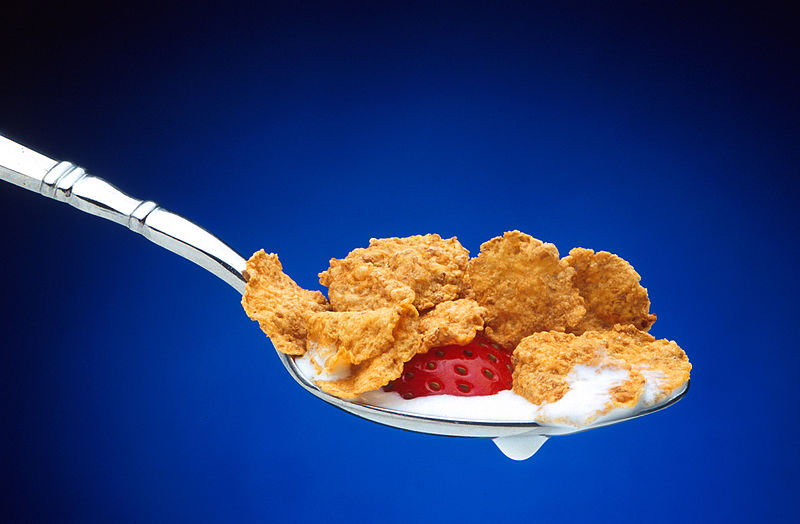
Photo Credit: USDA PD
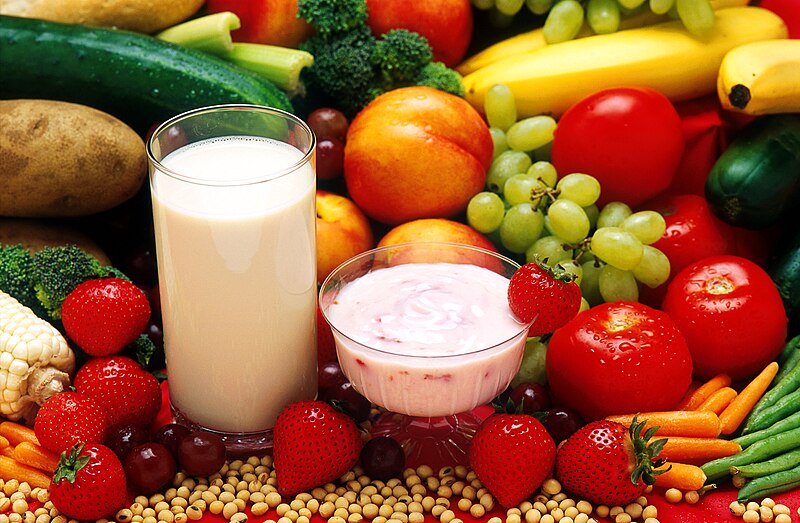
A trip to a health food store to select a nutritional supplement can leave you confused. There are so many choices it can be almost impossible to choose a dietary supplement, such as a nutrition shake. Nutrition shakes can provide supplemental nutrients to help maintain your health by providing vitamins and minerals that you might not be getting at regular meals. Nutrition shakes are often designed with the nutrients and fiber to replace one meal each day. So, it’s important that you select a shake that is good for your body. How do you know which nutrition shake to choose?
Drinking a nutrition shake as a meal replacement can help control how many calories you consume while still providing adequate nutrition. The right shake can help you lose weight, help lower your cholesterol and improve your energy levels. Read the label to find out the nutrition contents of a product. Select a nutrition shake that contains no colors and preservatives. Select a shake that has fiber, vitamins and trace minerals, such as zinc and selenium.
An excellent nutrition shake option is Shakeology®. You can lose weight by replacing one meal three days each week, exercising and eating a low-fat balanced diet. You can mix Shakeology with fresh fruit and other ingredients to make a delicious, nutrient-packed, low-calorie meal-replacement.
A dietitian and fitness expert can help you determine if a meal replacement nutrition shake is right for you. A fitness and diet professional can also help you design a diet that will work to help you lose weight and stay healthy.

What IS Fitness?

Photo Credit: lululemon athletica CC-BY-2.0
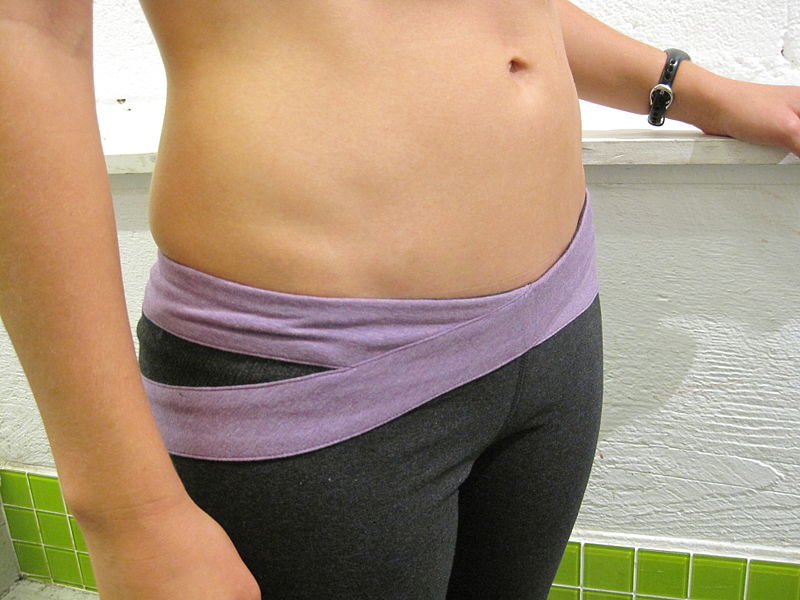
What does it mean to be fit? What is fitness? Your level of fitness is measured by your ability to do physical activity. It’s more than just being able to run for 5 miles or lift weights for an hour. Fitness is measured by your strength, endurance, body fat and flexibility. Your overall level of physical fitness is measured by your cardio-respiratory endurance, muscular endurance and strength, flexibility and body composition.
Cardio-respiratory endurance is your body’s ability to efficiently move fuel and oxygen through your body and remove waste products during physical exercise. Cardio exercises that can help improve your endurance include brisk walking, jogging, running, bicycling and swimming. Any aerobic activity that increases your heart rate will help improve your cardio-respiratory endurance.
Muscle strength is the force exerted by your muscles. Muscle endurance is the ability of your muscle to continue to exert that force without becoming fatigued. Your muscles grow stronger when you use them to work against a weight or gravity. Resistance exercises, such as lifting weights, resistance machines and push-ups, help improve your muscle strength. Sustained muscle workouts help improve your muscle endurance. Perform repetitive weight/resistance exercises to increase muscle endurance. Increase the weight or number of repetitions when you can exercise without experiencing muscle fatigue to continue improving your muscle strength and endurance.
Flexibility is the range of motion of your joints and muscles. Improving your flexibility can reduce your risk of injury from strains and sprains. Stretching and swimming are great ways to improve your flexibility. Yoga and Pilates can also help improve your range of motion by increasing your flexibility.
Your body composition is the ratio of muscle, fat and bone. Your weight is not a good indication of your body composition. You cannot assess how much of your weight is muscle and how much is fat just by weighing yourself. There are numerous ways to assess the ratio of body fat to lean muscle and bone. Your doctor can do an fairly accurate assessment of your body composition. Fitness experts can also help you assess your body composition and advise as to the best way to lose the fat and build lean muscle.

Citrus Fruits: Vitamin C and a Whole Lot More!

Photo Credit: USDA PD
When you think citrus fruits, you probably think orange juice and vitamin C. Citrus fruits are a good source of vitamin C, but they also provide a number of other beneficial nutrients. Citrus fruits, such as oranges, lemons, limes and grapefruit, are rich in minerals, carbohydrates and dietary fiber. Citrus fruits also help to reduce your risk of disease.
Citrus fruits contain simple carbohydrates in the form of natural sugars. Fructose, glucose and sucrose found in citrus fruits provides your body with energy. They are also a good source of natural dietary fiber that stimulates digestion. One medium orange contains about 3 grams of fiber.
Folate is a vitamin that is essential for cell health and growth. It also helps protect red blood cells and prevent anemia. It is critical that pregnant women get sufficient amounts of folates (folic acid) in their diet to prevent birth defects, such as neural tube defects. A glass of orange juice provides your body with about 75 mg of folic acid.
Potassium is another essential mineral. It is an important electrolyte that helps to maintain the fluid and acid balance in your body. You need potassium every day for healthy nerve impulse transmission and normal muscle contraction. An orange provides 235 mg of potassium. One glass of orange juice provides 500 mg of potassium. Phytochemicals found in citrus fruits can help to protect you from disease, including cancer and cardiovascular disease.
Enjoy a glass of orange juice or a fresh grapefruit and help keep your body healthy, too.

Strength Training Tips

Photo Credit: Bruce Tanner PD
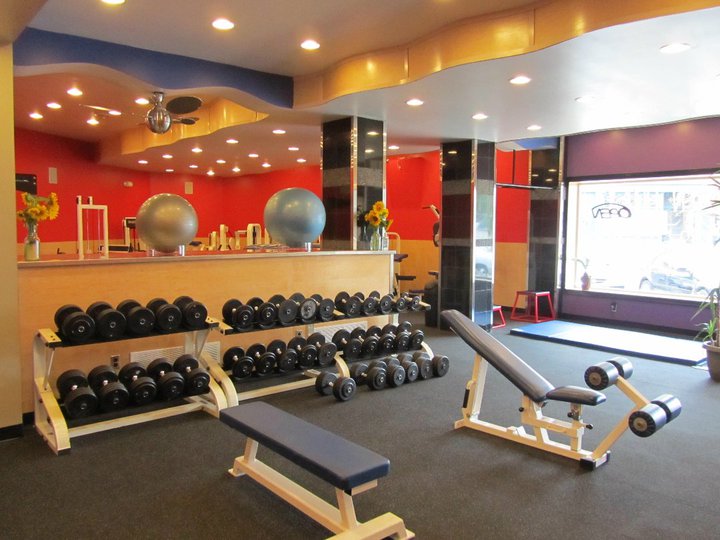
Your fitness program should include at least 30 minutes of aerobic exercise every day, plus strength training at least 2 days each week. Skip one day between strength training exercises to allow your muscles to recover. You don’t need an expensive set of free weights or pay high gym membership fees. You can do body weight strength training, such as push-ups, planks and pull-ups or take advantage of low-cost ways to do strength training. Your work or apartment community may have a workout room with free weights or weight machines. Local health clubs, such as the YMCA, often provide low-cost public access to the weight room.
Before you add a strength training element to your weekly workout routine, consult a professional fitness trainer. It’s important that you maintain proper form when doing weight training. Poor form can result in muscle strains or joint sprains. To avoid an injury, seek instruction from a professional. A fitness professional can also help you develop a strength training program to help you reach your specific fitness goals. Whether you want to firm and tone all over or work on stronger, flatter abs, a personal fitness trainer can help you achieve your goals.
Start your strength training program by lifting light weights. Select a weight that you can lift without straining. Begin by doing a few repetitions slowly through the full range of motion for the muscles you are working. Do 8 to 10 repetitions of exercises in the first few weeks, then gradually add more repetitions. Once your muscles are adjusted to the repetitions and weight, add more weight 1 to 2 pounds at a time. Gradually increase weight and repetitions.

Small Changes to Lose Weight

Photo Credit: USDA PD
Healthy weight loss and weight control can be accomplished by making small changes. Small changes in lifestyle and eating habits add up to big changes in your body and health. Changing little things about the way you eat, the foods you eat and how much you eat can help you take of the pounds and help you slim down.
Take a good look at the way you eat. Do you eat late at night? Do you snack while watching television? When you cook, do you frequently nibble and taste the food? Snacking throughout the day can add up to pounds on your body. Remove the bowl of chips or cookies from the coffee table in front of your television. Think twice about making that bowl of buttery popcorn before you sit down to watch your favorite show. If you must snack, choose low-calories, healthier alternatives, such as dried fruit, nuts and whole wheat crackers.
Eat regular meals on a schedule. Eat 5 small meals throughout the day instead of 3 large meals. Your stomach will feel fuller longer and you will keep your metabolism stimulated to burn fat all day long. Never go to the market on an empty stomach and shop from a list. If you are hungry or do not prepare a grocery list, you are more likely to make impulse purchases of sweets and other snacks. Always eat a nutritious breakfast that includes whole grains, dairy and fruit. You will have more energy during the day and your metabolism gets a boost.
Avoid eating on the run or eating while doing housework. Sit down at the dinner table and enjoy your meals. Chew slowly so that you not only enjoy the taste of your food, you also feel full sooner. Fill your plate from the stove and take only the food on your plate to the table. Serving bowls full of foods on the table encourage you to take seconds. You’re less likely to overeat if you have to get up and go to the kitchen for seconds. Cook only as much as you will eat if possible or store leftovers for the next day.

Importance of Calcium

Photo Credit: Epukas PD
Calcium is one of the most important minerals in your diet. Calcium helps form strong, healthy bones and teeth. You also need calcium for healthy blood and tissues. You need vitamin D in your diet to help your body to absorb calcium. A lack of calcium can result in weak bones or a condition known as osteoporosis. Osteoporosis is a serious bone disease that results in part from inadequate calcium and vitamin D. People with osteoporosis are at risk for fractures because their bones are weak.
In addition to keeping your teeth and bones strong, calcium also helps stimulate digestive enzymes for better absorption of nutrients from food. Calcium is important in voluntary muscle contractions, such as moving your arms and legs. Your nervous system depends on adequate calcium to function normally. Calcium also helps to regulate your heart beat.
Food that are high in calcium include leafy, green vegetables, cabbage, beans and artichokes. Dairy products, such as milk, cheese, yogurt and ice cream are also loaded with calcium. Carrots, broccoli, nuts and salmon are also rich in this important nutrient.
It is best to get your daily dietary requirement of calcium in the food you eat, but sometimes a supplement may be necessary. Calcium citrate and calcium malate are two types of calcium supplements that help support your bone health if you are not getting enough calcium in your diet. Always consult a doctor before taking any over-the-counter dietary supplements.

How To Treat Sprains And Strains

Photo Credit: Martin Walder, Micha Rieser CC-BY-SA-3.0
Even the most fit person and skilled athlete can suffer an injury. Sprains and strains can be very painful. Sometimes a sprain or strain can cause swelling, bruising and stiffness, especially in joints. There is a simple way to remember how to treat a sprain or strain: R.I.C.E.: Rest. Ice. Compress. Elevate.
Rest the injured joint or muscle. Use a sling for arm injuries and avoid walking on a sprained ankle, knee or leg muscle strain. If you sprain a toe joint or finger, tape the injured digit to the finger or toe beside it to keep it from moving and exacerbating the injury.
Use an ice pack on the sprained joint or strained muscle every hour for 20 minutes. Don’t leave ice on your skin for too long or you can damage skin tissue. Ice will reduce swelling and prevent further swelling by slowing blood flow to the area.
Wrap the sprained joint or strained muscle with an elastic bandage, if possible, to keep it immobilized. Be careful not to stop the circulation to your feet or hands by wrapping the bandage too tightly. Loosen a bandage on your arm, wrist, ankle or knee if your fingers or toes tingle.
Elevate injured limbs above your heart to prevent further swelling.
Continue to use the R.I.C.E. method of treatment for up to 48 hours or until you see your doctor.
If you need pain relief, take an over-the-counter anti-inflammatory pain reliever, such as ibuprofen or aspirin. You should see a doctor if your joint made a popping sound when the injury occurred. Go to an emergency room for treatment if you cannot move your joint, your arm or your leg. Numbness after an injury should also be evaluated by a doctor. See a doctor if the swelling is significant, if there is significant bruising or if you develop a fever.