2 Great Exercises for Slimmer Hips and Thighs

Photo Credit: Mauritsvink Public Domain
It can be difficult to lose fat and build muscle in your hips and thighs. You can lose fat, firm and tone your muscles with a whole body exercise regime, but you may need to do a little extra work by spot training to slim your legs and hips. The hips, thighs and stomach area tend to store more fat than any other part of your body. Two great exercises that can help burn more fat, tone and strengthen hips and thighs include dumbbell step-ups and dumbbell squats. Don’t start a new exercise program until you see your doctor and get a complete physical. A personal fitness trainer can help you stay motivated and offer instruction on how to perform exercises to get maximum benefit and avoid injury. 
Step-ups require an exercise step block and a set of dumbbells. Start with a low block and gradually increase the height of the step as you gain strength and stamina. Start by standing in front of the step block with your feet apart about hip-width. Hold a 2 to 5 pound dumbbell in each hand in an overhand grasp with your palms facing inward. Drop your shoulders, squeeze your shoulder blades and stand up tall and straight. Step up on the block with your right foot. Keep your body straight and push your body up with your left foot. Place your left foot next to your right foot on the step block platform. Shift your weight to your right foot and step backwards off the step block with your left foot. Place your left foot firmly on the floor and then bring your right foot back to the floor in the start position. Alternate legs and repeat the exercise. Try to do 10 repetitions leading with your right foot and then alternating and leading with your left foot for 10 more repetitions. Increase the number of repetitions and add a heavier dumbbell as your gain strength and endurance. 
Dumbbell squats help tone and firm your arms as you exercise your hips and thighs. Stand with your feet hip-width apart and hold a 2 to 5 pound dumbbell in each hand. Grasp the dumbbells in an overhand hold with our palms facing your thighs. Squeeze your abdominal muscles and inhale. Raise the dumbbells to your chest until they rest on the front of your shoulders. Lift your chest and squeeze your shoulder blades together so that you are standing tall. Slowly lower your body in a sitting position from the hips. You may need to shift your weight to you heels to maintain your balance. Try to bend your hips and knees at the same time for a smooth downward motion. Keep your feet planted firmly on the floor. Stop lowering your body when your heels begin to lift off the floor. Exhale and smoothly push your body back to the upright position using your feet. Try to do 5 to 10 squats. Increase the number of repetitions and add more weight when your strength and endurance increase.

Diet Doesn’t Mean Deprivation

Photo Credit: Public Domain

Being on a diet and counting calories can sometimes leave you feeling deprived. Counting calories, cutting back on sugar, exercising and avoiding fatty foods is hard work. It can be difficult to decline a piece of birthday cake or a sweet snack at an office party. The good news is a small slice of cake or a sweet snack from time to time won’t destroy your diet. It’s okay to indulge a little bit for special occasions or to reward yourself for achieving an important fitness milestone. Choose low-fat, low-calorie deserts to reward yourself, but if you have a piece of cake, don’t beat yourself up. The important thing to remember is not to over-indulge. 
When you are counting calories, you don’t have to measure every meal. Common sense and nutritious foods can  help you avoid consuming too many calories. Keep a lot of low-calorie vegetables on hand. You can munch on lettuce, bell peppers, tomatoes, carrots, broccoli, celery and cucumbers without worrying too much about calories. These vegetables contain essential nutrients and fiber that your body needs. Keep some low-calorie salad dressing in the refrigerator to use as a dip if you want to add extra flavor to your veggie snack. 
Sometimes we just crave a particular food that we love. It’s okay to have a small slice of cheesecake, a piece of fried chicken or a banana nut muffin occasionally. Limit yourself to eating  high-calorie foods no more than once a week. Cutting out your favorite foods completely can leave you feeling deprived and unhappy, which may lead to an eating binge and will undermine all of your hard work. Give yourself a little treat once each week, then exercise an extra 5 minutes each day. Stock up on some low-calorie, low-fat versions of your favorite foods and reward  yourself with a treat that won’t leave you feeling guilty. Snack frequently and eat 5 small meals instead of 3 large meals each day. Choose tasty and healthy snacks like walnuts, whole grain crackers, grapes, orange slices and bananas. Fruit can satisfy your sweet tooth without undermining your weight-loss goal. 

Gym Exercise Equipment You Should Be Using

Photo Credit: LocalFitness.com.au

There are many different types of gym equipment designed to work out everything from individual muscle groups to your whole body. If you belong to a gym, or if you are thinking about joining a gym to get in shape, make sure that there are qualified personal trainers on staff. Get a complete check up from your doctor before beginning a new exercise program. 

Cable resistance exercise machines can help you tone and strengthen upper and lower body muscle groups. Cable machines maintain a constant resistance that your legs or arms work against. Cable machines can be adjusted by resistance and the muscle group you want to work. You can perform many different types of exercises on one of these machines, including shoulder presses, abdominal crunches, lateral raises and strengthening exercises for your biceps and triceps. Start out slow on one of these machines to avoid muscle soreness. Limit your first workout to about 5 minutes every other day. Skip a day between workouts to allow your muscles to heal and soreness to abate. Slowly increase the amount of time you spend on the machine as your muscles grow stronger and your endurance increases. Resistance bands attached to the wall or to a bar also provide effective strengthening opportunities. Resistance bands provide an intense workout and can be used in virtually any position; standing, sitting or lying down. 
A step machine can give you a better workout than a regular treadmill because it simulates climbing stairs. Step machines help you burn more calories than you would using a treadmill for the same amount of time, because you lift your legs and push down with your feet. You can work your glutes, hamstrings, calf muscles and your abdominal muscles. Start out slow on a step machine and limit your first workout to 10 minutes or less. Take a day off to allow your muscles to recover before you work out on the step machine again. 

Rowing machines work almost all your major muscle groups and provides a powerful cardiovascular workout. This machine closely mimics the motion of rowing a boat and works the upper and lower body. You can burn quite a few calories in just a few minutes on a rowing machine. The machine can be adjusted to more or less resistance to accommodate beginners to experts. The key to getting a good workout on a rowing machine is a smooth, continuous rowing motion. 

Diet Destroying Appetizers

Photo Credit: Public Domain
Dining out in America often includes an appetizer that stimulates your taste buds with something to munch while waiting on the main course. Have you ever stopped to consider how many calories you consume in a small appetizer? Those cheese sticks, fried vegetables and creamy dips can add hundreds of calories and undermine your diet and weight-loss goals. The occasional indulgence won’t destroy your weight-loss program, but making healthy choices should always be your first priority. 
Deep fried onions with a tasty dip are a popular appetizer in some “steak house” style restaurants. Onions are low in calories, but it’s the batter, oil and the dip that undo your diet. Not only are extra calories and fat added to your diet, there’s a lot of sodium in the batter and dip. Opt instead for celery sticks and a low-fat ranch dip if it’s available. If your’re counting calories, this appetizer will definitely take you over the limit. 
Spinach and artichokes are healthy, nutrient-rich foods that taste delicious. They contain a multitude of vitamins and minerals and can be prepared various ways as side dishes and in dips. Favorite appetizers are spinach and artichoke dips. The diet busting cream sauce that serves as the base for the dip can contain over 1,000 calories, more than 2,000 mg of sodium and about 100 grams of saturated fat. You are better off eating a spinach salad with a low-fat vinaigrette salad dressing. 
The shrimp cocktail is a favorite appetizer for many people. Shrimp alone is low in fat, has few calories and is a good source of healthy omega-3 fatty acids that are essential for brain and other body functions. The cocktail sauce is the diet destroyer. Opt for a tomato-based sauce instead. Clams are also a good source of nutrients, but served in a chowder, the calories can add up. The cream base is the culprit. Try a bowl of  tomato-based vegetable soup instead of the chowder. 
Mozzarella cheese is a healthy food, but when it is battered and deep fried, the calories and fat can go off the chart. One serving of deep fried cheese sticks can contain nearly 1,000 calories and almost 3,000 mg of sodium. Sodium can cause your body to retain water, adding pounds. The loaded baked potato and loaded potato skins are not only loaded with flavor, they are loaded with fat and calories that can undermine your weight loss goals. Try some stuffed mushrooms instead. Mushrooms stuffed with breadcrumbs and cheese contain about 50 calories each. 

For more information about diet-busting appetizers, see:

Nutrition for Healthy Eyes

Photo Credit: Laitr Keiows CC-BY-SA-3.0 2009
You’ve probably heard that eating carrots can help improve your vision. While it may not be true that carrots improve vision, a healthy diet is important to healthy eyes. Some foods contain nutrients that are especially good for your eyes. Vitamins A, C and E and minerals like zinc are important for eye development and continued eye health. Two nutrients, lutein and zeaxanthin, are particularly important to healthy eyes. These nutrients are important antioxidants that help to remove free radicals in the eye that can damage cells. Lutein and zeaxanthin help to protect the eyes from exposure to ultraviolet light by preventing UV light from reaching the back of the retina where it can damage vision. 
Many dark colored fruits and vegetables contain both lutein and zeaxanthin. The nutrients can be found in vegetables like spinach, squash, pumpkin, kale greens, sweet potatoes, corn, broccoli, green beans, peas and Brussel sprouts. Fruits that contain lutein and zeaxanthin include grapes, kiwi, mango, prunes papaya and melons. Dark red berries, kiwi, red and green bell peppers, tomatoes, broccoli, spinach, grapefruit, and oranges are good sources of Vitamin C. Carrots, sweet potatoes, squash, eggs, and green leafy vegetables, such as kale, spinach and lettuce contain Vitamin A, an important nutrient for eye health. 
A well-balanced diet that includes fresh vegetables and fruits should meet most people’s eye-nutrient needs. Protect your eyes from excessive exposure to ultraviolet light by wearing a hat with a brim and UV blocking sunglasses on sunny days. Be sure to get regular eye exams, too. 

For more information about nutrition and eye health, see:

Winter Blahs: How to Stay Motivated

Photo by www.localfitness.com.au

You made a New Year’s resolution to stick to a fitness program and a healthy diet. Great news! But now it’s mid-February and you’re just not as motivated as you were on January 2nd. Maybe you started a fitness program and diet, but you’ve allowed some of your plans to fall by the wayside. Don’t be too hard on yourself. Many people start an exercise and diet program only to stop after a few weeks and fall back into their old routine. A personal trainer can help keep you motivated and there are ways to stay motivated on your own.
Re-evaluate your goals. You may have set fitness goals that are unrealistic so that you are not seeing the results you expected. Design a new fitness program with short-term, intermediate-term and long- term goals. Try committing to completing a 10 minute walk 3 times each week for the next 4  weeks. After that, increase your walking time by 10 minutes for the next 4 weeks. Continue increasing your time until you walk for 30 minutes 3 days each week. On the days you are not walking, commit to doing 5 minutes of morning stretching exercises, followed by a healthy breakfast and then 5 more minutes of exercise. Gradually add afternoon and evening exercise. 
Have you lost your motivation because you are bored with your routine? Change your routine or start playing a sport that you enjoy. Take up dance aerobics or swimming. Try a Latin dance class or join a martial arts program. Invite friends and family to join you in exercise. Organize a fitness club at work. You are more likely to stay motivated and reach your fitness goals if you are having fun. If finding the time to exercise is a problem, a personal trainer can also help you design a program as part of your regular schedule. Give yourself a reward when you reach a particular goal. Go shopping for new clothes to fit your slimmer figure. 

Exercise to Combat Stress

Photo Credit: Shinealight PD 2006

Stress is something that is a fact of life for most people. Stress can have serious negative effects on your mind and your body. People with high levels of untreated stress may suffer from headaches, inability to concentrate, insomnia and even body aches and pains. Reduce the amount of stress in your life if possible. Set aside some quiet time for yourself so you can unwind, and exercise. Exercise is a great way to reduce stress and combat the effects of stress. Exercise will also increase your overall fitness and improve your sense of accomplishment and well-being. You will probably lose a few pounds, too.
Physical exertion causes your brain to produce extra neurotransmitters, or endorphins. Endorphins cause you to feel good. They produce a sense of well-being and happiness. You don’t have to run 10 miles or lift weights for an hour to experience the good feeling produced by endorphins. A brisk walk or a jog for 30 minutes, 20 minutes of swimming laps in a pool, a game of tennis or half an hour of dance aerobics can stimulate your brain to release endorphins and help you feel better. You should notice a marked improvement in your mood following some moderate exercise. In addition to the endorphins in your system, you can feel more confident and less anxious. 
Stress can keep you awake at night. Regular exercise also helps improve sleep. Most people need about 8 hours of uninterrupted sleep each night to function at peak performance during the day. If stress is keeping you awake, you may have difficulty concentrating, suffer headaches and feel excessively tired. These problems then increase your stress, which continues to interfere with your sleep. Break the cycle by dedicating at least 30 minutes each day to exercise. Drop your briefcase when you walk in the door and put on your bike helmet and ride for a half hour. 
See your doctor for a complete physical if you have not exercised in a long time. Start out slowly to avoid injury and sore muscles that discourage you from exercising. A personal fitness trainer can help you design a stress-busting exercise program that fits with your schedule and fitness level. Thirty minutes of moderate intensity exercise every other day can relieve the unpleasant symptoms of stress.

For more information about stress and its effect on your body, see:
Mayo Clinic, Stress Symptoms: Effects On Your Body, Feelings and Behavior

Advantages of the Kettlebell Workout

Photo Credit: GiryaGirl  CC-BY-SA-3.0 2011

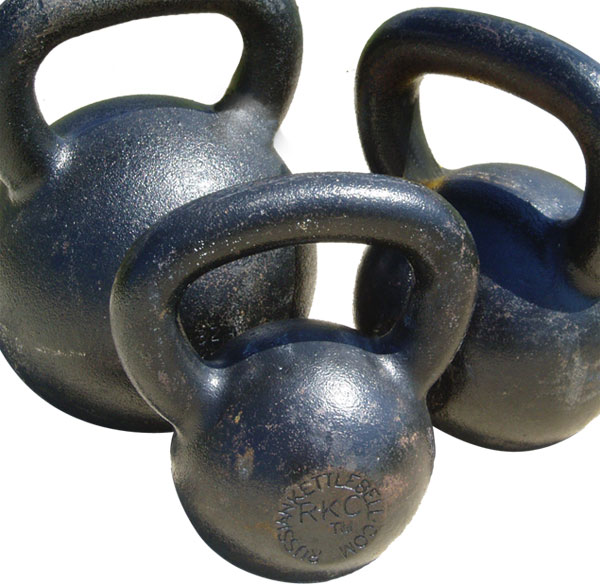
The American Council on Exercise (ACE) conducted a study in 2010 to measure the benefits of kettlebell workouts. Kettlebells are large iron balls with a handle. They vary in weight from a 2 pounds to more than 100 pounds. The kettlebells can be lifted, pressed and swung during an intense workout. The ACE study revealed that kettlebells produced a more intense workout than lifting weights alone. The participants in the study burned about 400 calories in a 20-minute workout, or about the same amount of calories as running a mile in 6 minutes. Beginners should work with a personal fitness trainer to learn to use kettlebells safely and effectively. Start with a light-weight, 2-pound, kettlebell and gradually work up to a heavier weight. Increase the amount of weight under the supervision and instruction of a fitness trainer. Some exercises using kettlebells includes the deadlift, the shoulder press and the arm swing.
Kettlebell deadlifts will primarily work your  glutes, quads, hamstrings and back muscles. Begin the exercise by standing with your feet flat on the floor with a kettlebell beside each foot. Spread your legs about hip-width apart and squeeze your abdominal muscles tight. Drop your shoulders slightly and squeeze your shoulder blades together. Breathe in deeply and lower your upper body straight down toward the floor. When your hands reach the kettlebells, grasp each handle overhand with your palms pointed toward your body. Keep your body straight and breathe out and then lift the kettlebells as you stand up straight in a smooth motion. Repeat the deadlift exercise 5 times and increase the repetitions as you get stronger. 
The arm swing will exercise your glutes, quads, hamstrings, core and back muscles. Stand with your feet apart about hip-width and put one kettlebell between your legs. Brace your upper body by squeezing your abdominal muscles, lowering your shoulders slightly and squeezing your shoulder blades together. Inhale, quat down and grasp the handle of the kettlebell in an overhand position with your palm down. Exhale and swing the kettlebell upward as you simultaneously return to a standing position. Swing the kettlebell until your arm is parallel with the floor, or straight out from your body. Keep your arm straight from your shoulder to your wrist. Do a 3 to 5 repetitions with each arm. 

The kettlebell shoulder press will work your shoulder and triceps muscles. Prepare for this exercise in the same position as before, standing, feet apart and shoulders back. Hold a kettlebell in one hand. Your palm facing  your body. Raise the kettlebell to your shoulder. The weight should be on the outside of your arm resting against your wrist and forearm. Push the kettlebell upward until your arm is extended straight up. Breathe out and return your arm to the start position. 

For more information and kettlebell exercises, see:

ACE Fitness, Kettlebells: Twice the Results in Half the Time?,Chad Schnettler, et al., 2010

Diet Saving Super Bowl Snacks

Photo Credit: Gunkarta CC-BY-SA-3.0 2011
Millions of Americans will be sitting in front of the television today, watching the Super Bowl. Super Bowl parties often include diet-busting foods, such as beer, pizza, chips and dip. Your Super Bowl party does not have to be a diet disaster. Forget the take out pizza and opt for some healthier, tasty party foods that everyone will enjoy. 
Chicken is a low-fat, high protein food. Buffalo wings are a traditional Super Bowl party fare that are easy to prepare and healthier than pizza loaded with cheese and pepperoni. Skinless chicken wings basted in a spicy buffalo sauce are less than 300 calories per serving.
A veggie platter can be prepared quickly and easily. Celery, broccoli, cauliflower, cucumbers, tomatoes and carrots make a colorful, healthy snack platter. Skip the high-calorie bleu cheese dip and serve a light spinach dip made with low-fat cream cheese, low-fat yogurt or reduced calorie cottage cheese.  
Serve your Super Bowl party guests baked chips and low-fat dip instead of fried potato chips. Prepare a delicious low-calorie guacamole dip. A layered bean dip with baked tortilla chips contains plenty of fiber, vitamins and minerals, but won’t bust your diet with extra calories. 

Serve a light beer and offer sugar-free soda. To avoid over-indulging, remember to drink a glass of water before the game and have a cup of water between beers. Remember to drink in moderation and enjoy the game!

For some tasty Super Bowl party recipes, see:

Sweet Valentine’s Day Tips

Photo Credit: John Hritz CC-BY-2.0 2005

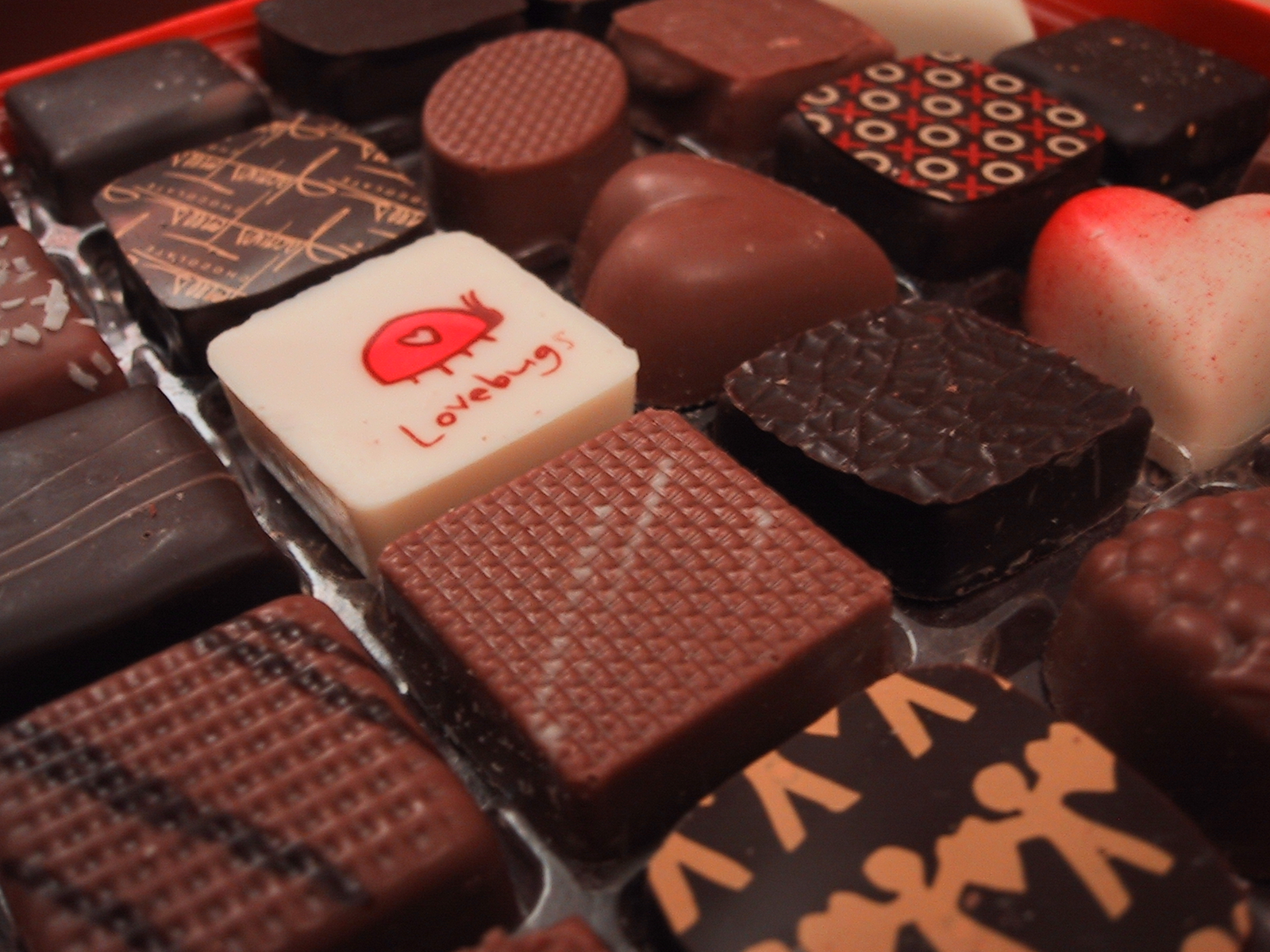
Are you planning a romantic Valentine’s Day complete with flowers, chocolates, champagne and a romantic dinner? You probably don’t want to think about your diet and weight loss on Valentine’s Day. It’s easy to forget about your diet and fitness when enjoying romance, dining and wine. Avoid regrets and weight gain by planning ahead for your romantic evening. 
Begin the day with a fiber-rich breakfast of whole grains and low-fat dairy. Eat healthy snacks throughout the day to avoid over-indulging at dinner. Snack on fresh fruit, yogurt and whole grain crackers. Drink plenty of water during the day and have an extra glass of water before dinner. Snacking on healthy foods throughout the day will keep you from becoming hungry and boost your metabolism. You can control the menu and calories if you have a romantic dinner at home. If you are dining out for Valentine’s Day,  become familiar with the restaurant menu. Skip the salad dressing or choose a low-calorie dressing. Select lean cuts of meat and steamed or grilled vegetables. Those yeast rolls may be delicious, but they are loaded with calories and fat. Choose whole grain bread or skip the rolls. Avoid the butter and salt on the baked potato. Drink alcohol in moderation. Choose a dessert that is low in sugar and calories, such as a fruit sorbet or fresh fruit. Enjoy a romantic stroll together after dinner to burn a few calories and enjoy each other’s company. Dancing after dinner is a great way to work off those dessert calories.