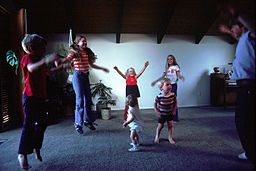
Everyday Fitness Tips to Help You Lead a Better Life

Fitness is very important for all age groups, especially today. It plays a big role in helping people lead a healthy life by practicing healthy habits. Getting exercise every day and eating a balanced diet are the keys to staying fit, irrespective of how old you are. There are some simple everyday fitness tips that anyone can remember and try out to enable you and your family to make healthy choices in context with your diet and exercise routines.

Notes on How to Balance Your Life

Balance is an integral aspect of anything, be it your emotional well-being, your body’s BMR (Basal Metabolic Rate), or the rate at which the body burns fat while at rest. In the same way, balance is integral when it comes to organizing your calorie intake and output. Some easy fitness tips for achieving this balance include keeping a food journal, which will help you to eat within your recommended calorie structure and will further enable you to burn more than what you have consumed in order to maintain or lose weight. It is also important for you exercise for at least 30 minutes per day or take 10,000 steps to help maintain your body’s BMR. This does not mean that you have to go to the gym, however. There are easy ways to add more activity into your daily routine, such as taking the stairs instead of the elevator, or parking further away from the store or your home to get in a few more short walks throughout the day.

Get the Most Out of Your Gym Workout

Popular fitness tips to help you achieve maximum benefits from your gym workout include learning how to adapt to high-intensity interval workouts, which involve performing maximum repetitions of an exercise for 20 seconds, resting for 10 seconds, and then switching to a new exercise and following the same pattern for a period of time to ensure optimum fat burning. Explore workouts involving short, intense bouts of activity instead of wasting time at the gym in trying to achieve the same results using outdated workout methods.

Boosting Your Fitness Levels

The age old rule of warming up and cooling down before and after a workout are still applicable to the more modern, time-intensive workout plans of the modern age, and should be followed strictly to avoid injury and strain to your joints. It is also a good idea to maximize protein and vegetable intake, while restricting the consumption of refined carbohydrates as much as possible. Popular diets such as Paleo are prevalent among diehard fitness enthusiasts, thanks to their ability to promote muscle development along with faster fat burn. For the best everyday fitness tips, consult with a personal trainer and/or nutritionist.


The Plentiful Health Benefits of Goji Juice

Photo credit: Maukie (Own work) [Public domain], via Wikimedia Commons

The health benefits of goji juice are many, and its pleasant taste makes it one of the most popular drinks among health enthusiasts. The high concentration of Vitamin C in goji juice guarantees a stronger immune system that can fight infection and disease better and will also take away the need to consume additional vitamin supplements. This little red berry is packed with a number of essential vitamins and minerals, and there are even festivals in some parts of Asia that celebrate its existence and importance.

Weight Loss

The fact that a number of people who drink goji juice for health do it because it has weight loss benefits is an open secret. The health benefits of goji juice as an effective appetite suppressant and a valuable, vitamin-packed inclusion to a weight loss oriented diet has been promoted by celebrities and fitness gurus alike, and its other health benefits are a bonus.

Better Immunity

The health benefits of goji juice also include better immunity. Goji berries are packed with a number of vitamins, including Vitamins A and C. Goji is also one of the few fruits that contains Vitamin E, which contributes to its enhanced skin healing properties.

Senior citizens may get the most out of the many health benefits of goji juice with its ability to slow down the skin’s aging process. One can rest assured that a majority of consumers who consume goji juice for health will be slow to show the signs of aging on their skin and bodies.

Delicious and Healthy

Goji juice is one of the more delicious and healthy drinks, which also makes it one of the most popular. Goji juice is considered to be one of the best tasting healthy juices available, which adds to its popularity, unlike other healthy drinks that include ingredients such as prune, spirulina, spinach, and other things that most people think taste terrible. Goji juice is so delicious that one can drink it by itself or even mix it with a scoop of whey protein supplement for a vitamin-rich meal replacement drink.

Goji juice is healthy, delicious, and would make a valuable addition to any diet. In addition to goji juice, goji berries can be eaten alone and are safe for consumption by people of all ages. You can consume goji at least three times a week for a period of one month to reap the maximum health benefits.


Walk the Walk with Family Trails

Next time you’re thinking about what to do on the weekend, consider taking the family out on the trails. Family trails in your local or state parks are an ideal way to get fit together and get some fresh air and nature while you’re at it.

Healthy Fitness for People at All Levels

Walking is a very effective way for people of all ages and all fitness levels to get healthy exercise, because it strengthens the heart and lungs and burns calories. In addition, walking is good for your bones, improves your circulation, can help tone muscles and increase your metabolism. Walking also improves the body’s cardiovascular system. In fact, many medical experts agree that regular walking is better for the body than running because it puts less stress on the body.

Trails are for Everyone

Family trails are suitable for people of all ages – from toddlers to grandparents. Many trails designated for family hikes are less strenuous, with fewer hills, and a smoother path cleared of rocks, roots or other obstacles. Some are even paved in boardwalk or have stairs or bridges that aren’t available on other trails. They may be stroller friendly and pet friendly as well. Check at the informational booth, kiosk or welcome center for maps and signposts to find family-friendly trails. You can find additional hiking information on sites like trails.com, Americanhiking.org, or backpacker.com.

Explore Nature

Family trails are a way for families to get out of the house and explore nature and learn about your area. Whether you’re walking through a colorful foliage tour or hiking through the crisp white snow, enjoying spring flowers, or seeking a bit of forest shade in the summer, trail walking can be done year round.

See Wildlife

Family trails are a great opportunity to witness area wildlife first hand. Whether you’re interested in bird watching, butterflies, deer or on a hunt for the infamous jack-a-lope, there are lots of opportunities to see wildlife once you’re on the trail. Be sure to check signs for potential dangerous animals and what to do in case you meet up with one. In some trails, you might be encouraged to bring a bear bell, pepper spray or walking sticks to deter critters.

Get Fit and Work Up to More Strenuous Trails

Once you and your family have gotten into the swing of trail walking, you can work your way up to more strenuous trails. Whether they involve a gradually steepening incline, longer walks, or more off-road oriented hikes, you’ll be rewarded with the ability to explore new territory and the opportunity to increase your fitness levels.

Take to the Roads

Do you feel like you’ve explored all of the trails and hikes and parks in your area? Consider branching out. Your local hikes can help you and your family work up to a trip to Mammoth Cave, Sedona, the Grand Canyon, the redwood forests of California, the Appalachian trail or volcano tours of Hawaii. Feel like going further? Consider the centuries old pilgrimage along the Camino de Santiago from the Pyrenees of France across northern Spain and ending in Santiago de Compostela. Your family will have a trip to remember and if they make the whole trek, they’ll receive a special certificate at the end of the line.

Whether you’re trekking through the woods of your backyard or across the Appalachian trail, a family walk will do your family good. It’s good exercise, fresh air and time exposed to nature. Consider taking a family walk with your loved ones – you’ll have happy trails together.


5 Simple Ways Procrastinators Can Improve Their Fitness Levels

Photo credit: Gary Bembridge CC BY 2.0

Staying active is the key to being healthy and living a long life, but being fit takes time and motivation. The single greatest challenge to staying fit and healthy is finding ways to stay motivated to counter your procrastination.

If you struggle with motivation, then a great place to start is to write down your goal, identify your compelling reason WHY you want it, and then reconnect with your compelling reason as often as it takes to keep you motivated and reaching your goals.

We all suffer from procrastination on some level, but there are some action steps you can take today to help you move forward and on the road to better health and fitness.

Fitness

Being physically active can produce long term health benefits. Staying active can help you have stronger muscles and bones, improve mood, boost energy, control weight, manage blood pressure, and stave off cardiovascular and other chronic diseases. Also, when we workout, our body releases a cascade of hormones and chemicals that signal our cells to grow stronger.

The health benefits of a good workout are endless, so what’s stopping you from working out?

Procrastination

Procrastination is the art of putting off tasks you should be doing and replacing them with activities you would rather be doing. The most common reason that people don’t workout is because of procrastination.

“I will do it later” is the hallmark reply. Life is full of distractions and if you let life distract you, then it will.

The best way not to get distracted is to never put off until tomorrow what you can do right now. Here are a few tips to help you on your way to being fit today.

5 Simple Tips

Tip #1: Just do it!

Simple, but effective. The easiest way to do something is just to do it. When you think about doing something, the mind can come up with all kinds of reasons and excuses why you shouldn’t.

Improving your fitness levels is as easy as just getting up and moving around. Once you start to move around, you will start to build up momentum and energy, which will help to motivate you to workout for the long term. The best thing is to go into autopilot mode and just go workout!

Tip #2: Make it fun!

Anything we make hard we eventually stop doing. The trick to keeping active and fit is to have fun with it.

Find an activity you enjoy. With all the different options we have in fitness today, there is absolutely something for everyone. Try dancing to some music, jumping on a trampoline, swimming or simply go for a nature walk with your dog.

Find a physical activity that you enjoy and allow yourself to have fun doing it, that’s all there is to it.

Tip #3: Breathe more!

Most people that procrastinate say that they lack the energy to motivate themselves. Oxygen is a catalyst for creating energy. The more oxygen we have in our blood stream, the more energy we have at the same time.

So, try this… relax and breathe normally, and then slowly start to increase your breathing rate. This technique is called the breath of fire, which is a rhythmic breath with equal emphasis on the inhale and exhale to get your blood moving and give you extra energy for working out.

Tip #4: Find a workout partner!

Staying fit and motivated can be greatly helped by having someone to workout with. A workout partner can make your exercise routine more fun, enjoyable and effective.

The key to picking a good partner is to find someone that is not a procrastinator and someone that works out regularly; they can motivate you to do the same.

Having a friend to workout with is also helpful in keeping you accountable, because it’s much more difficult to skip a workout when someone is waiting for you.

Tip #5: Join a class!

An exercise class is an ideal way to motivate yourself to workout and stay fit. In a class setting you will find like-minded people that are there for one reason…to workout! And meeting these people and interacting with them outside of class can help keep you motivated.

There is no better place to stay motivated and to get fit than a gym or workout class. The right setting can do wonders for procrastination.

Bottom Line

Overthinking workouts is where trouble begins. These tips are simple, but effective. They can help anyone who wants to motivate themselves to be fit and definitely much healthier.

Take the first step and begin to create a consistent exercise routine today! A regular exercise routine is the key to improving your fitness levels and decreasing your procrastination habits at the same time.

Remember, just do it!


10 Concrete Ways to Achieve Your Goals in Health and Wellness

Most people make New Year’s resolutions.  Most of these New Year’s resolutions are wishes for health, wealth and happiness.  There is something about a brand new year that makes people want to start right and so they make resolutions.

The word “resolution” comes from the verb “resolve,” which means to come to a solution or a decision over some puzzle or question.  Frankly, most New Year’s resolutions are mere wishes and not really resolutions because precious few of them ever become reality.

In order for resolutions to become reality they must be more than just mere wishes, but actual action plans with action steps. Since health and fitness directly impact our personal well-being and the well-being of our families, we must resolve to be fit and healthy.

But how?

Here are some ideas:

Know the state of your health. Go and see your doctor before starting any exercise or diet regimen. Get yourself checked out thoroughly and tell your doctor about your goal of weight loss and health. People often go on crash diets out of desperation that never have a happy ending. Make sure that you choose a healthy eating plan that will allow for long term success, so you don’t set yourself up for failure right at the start.

Phrase your resolution as a principle. Let your resolution be the guiding principle that will define all the food and activity choices you will make for the whole year.  If you can, articulate it as a theme or a motivating phrase.  The catchier and shorter it is, the easier to remember and the easier to use to discipline yourself and to rally your forces against inactivity and surplus weight.For example, if you use “Thin is in in 2017” — it’s catchy, but it isn’t very precise. A spaghetti noodle is thin, but so is a flagpole. But if you phrase it as a command, “Lose 52 pounds in 2017.”  It is not a wish or a desire anymore, it’s both a goal and a command.

Break it down into small tasks. 52 pounds is a big figure. But, then again, you have 12 months or roughly 52 weeks lose those 52 pounds, which translates to about 4 and a quarter pounds each month of the year or 1 pound each week. So, there you go.  You can revise your resolution: “One pound a week in fifty-two weeks makes fifty-two pounds lost in 2017.” One pound a week is not only a healthy weight loss pace, it is also a very doable goal.

Think of particular plans of action. Answer the question: how do you intend to lose one pound each week? Here is where you have to do a lot of thinking.

  • You can’t starve yourself because starving will boomerang into binges.
  • You can’t deprive yourself because deprivation may mean malnutrition.
  • You can’t abstain from all your favorite food because you will be frustrated.

Think in terms of what you can do instead of what you can’t do.

  • Choose unsweetened plain tea instead of soda.
  • Replace your chips and fattening dip with vegetable sticks and a low-calorie dip. (You can find plenty of healthy dip recipes online.)
  • Eat fish and chicken instead of pork or beef.
  • Bake, boil or poach instead of fry.
  • Grill instead of sautee.
  • Squeeze lemon juice and a little olive oil over lettuce instead of using cream dressings.
  • Eat whole grain bread instead of white bread.
  • Take the stairs instead of the elevator.
  • Walk or bike to the market instead of taking the car.
  • Begin a cardio and strength regimen or join a fitness class.

Find a workout buddy. It’s a lot easier to jog or walk when you are with a friend – the mile goes more quickly because of the companionship and conversation. Make sure your workout buddy is a person who knows you well enough to be a drill sergeant when you’re feeling lazy and need one; and a cheerleader when you’re feeling run-down and can use a helping hand.

Continuously challenge yourself. Take baby steps at first, but when you get stronger and more confident, lengthen your stride. If you tell yourself that at the start you will walk around the block before breakfast, do this until it becomes part of your routine (about a week or two) and when you are no longer panting when you circle the block, walk to the next block and back.Gradually increase the length of time that you walk or walk more times around the block or go farther and farther until you build up stamina and strength. Once you get bored with just walking, try jogging.  And then running. Up your game to keep things interesting.

Find ways to measure your progress. Keep a log on your refrigerator door and note down how many blocks you walked today. If you use a pedometer, note the number of steps you took every day. The feeling of accomplishment will fuel further resolve to stick to your workout or physical activity routine. Also monitor weight loss and inches, this is more positive reinforcement that will keep you going.

Designate a weighin day. If you weigh yourself every day, chances are, you will have an emotional roller-coaster experience as the reading on the bathroom scale is often impacted by your daily toilet habits, the outfit you’re wearing, how much fluid you took, etc. Instead of going on a roller-coaster experience, give yourself breathing space and weigh yourself once every week or once every two weeks.

Reward yourself. If you lose 5 pounds, treat yourself to a movie or a massage. Surely a 20 pound loss deserves your favorite bottle of perfume or a new gadget? Whatever the reward, remember to choose something with meaning. Rewards reinforce behavior, which can keep you going for the long term straight to your goal!

Be kind, loving and patient toward yourself. Be your own cheerleader and your own drill sergeant. Don’t be too hard on yourself when you feel disappointed at not having reached a milestone. Tomorrow is a new day. Give yourself good advice and talk yourself out of giving up.  Encourage yourself to get back on track.

Reasons to Eat Fat to Lose Fat

Coconut oil is a healthy fat.

For decades, all forms of dietary fat were demonized like there was no tomorrow. Fat was blamed for causing numerous chronic health problems and diseases, such as cardiovascular disease, obesity, and cancer. As time marched on, researchers discovered more interesting findings. While past recommendations encouraged us to avoid fat at all costs if we wanted to achieve healthy weight loss, experts are now saying that some forms of dietary fat not only help you to burn fat, but also improve your health and well-being in the process. You see, not all fats are created equal; there are good fats, and there are bad fats. Bad fats are synthetic saturated fats and trans-fats found in processed junk foods, whereas good fats are polyunsaturated fats, monounsaturated fats, and natural saturated fats like those found in animal products and organic, unrefined coconut oil. So, let’s take a closer look at a few reasons why we need to eat fat to lose fat.

Healthy fats turn your body into a fat burning machineIn the past, people were urged to follow extremely low-calorie, virtually fat-free, diets to lose weight; nowadays, the exact opposite is true. Low-calorie diets are not practical for healthy weight loss, and they are actually not that effective either. Rather than encouraging your body to burn fat for energy, the body ends up becoming more effective at using carbohydrates for fuel. What’s more, cutting out fat also reduces the activity and effectiveness of fat-burning hormones known as Adipokines. One such hormone is known as Adiponectin, which boosts the metabolism of fats in the body. This basically means that it turns the body into a fat burning machine, as you will burn stored body fat as a primary source of energy.

Healthy fats replace carbohydrate intakes – Complex carbohydrates are important macronutrients, but if we consume too many carbs, either simple or complex, we will find it harder to burn fat, and easier to store it. When we consume carbohydrates, insulin is secreted by the pancreas to regulate blood glucose levels, and to shuttle nutrients into your cells for energy. If you follow a higher healthy fat diet, your carbohydrate intakes will be lower because you need an equal macronutrient ratio. Less carbohydrates will mean less insulin being secreted. By reducing insulin secretion however, your body can access stored body fat for energy more effectively, meaning that it will use more fat for fuel, as opposed to glucose from carbohydrates.

Here are some examples of healthy fat foods to include in your diet: avocados, nuts (e.g. walnuts, almonds), olives, wild-caught salmon (not farm-raised), flaxseeds, whole eggs (yes, eat the yolk!), chia seeds, coconut and organic virgin coconut oil (cold pressed, unrefined).

Healthy fats increase satiety levels – Finally, the last reason we should try to eat more good fats if we wish to achieve healthy weight loss, is because fats can increase your satiety levels. This means that you will feel full for longer, so you’ll want to eat less. Per gram of fat, you receive 9 calories of energy, as opposed to 4, which would come from proteins and carbohydrates. Satiating fats, however, will provide more energy and keep you feeling full for longer, so you will be less likely to overeat.


Enjoy an Active Holiday Season

Holiday Season Snowshoeing

Now that there is snow on the ground and you are in a holiday mood, it does not mean that it’s time for you to give up on your exercise routine or plan. You might find it hard to eat healthily and still get a chance to work out with all the family gatherings and parties. But, you can still do it. You need to prioritize your health more during this challenging time.

First, you have to change your mindset. You can use the additional family time to bond with relatives and also work out in group settings. Below are some ideas to assist you, and your family or relatives, stay active and healthy during the holiday season.

Make a plan earlier

If you plan on traveling to another state or city, be sure to do some research online. Find out if you can be an ‘add-on’ to any of your relative’s existing memberships, or if you can get a temporary gym membership.

If you happen to be traveling somewhere warm and you prefer to be outdoors, try to look up hiking trails and running routes in the area. You will get many resources online to help you make that big step.

Make family time

Usually, the holiday season is all about spending time with your loved ones. It’s the perfect time to drink, eat and be merry with everyone. Why not consider exercising together or playing fun games that will help everyone to exercise by the end of the day?

A game like hide-and-seek or tag is ideal to play with young nephews or nieces. There are many games you can find, even for adults, once you Google search. You can even inspire your loved ones to take a walk with you around the neighborhood. The walk will help all of you to burn calories and bond with the family. This is a perfect light workout for everyone and will take you away from that pumpkin pie, even for a while.

Take part in holiday-themed runs

Most towns and cities offer various runs during the holiday season. Preparing for a walk, run or obstacle course race helps you stay motivated to exercise. Ensure that you invite all your loved ones so that you can motivate each other and show up for the event.

Bring your own equipment

If you will be traveling and you are sure that you will not access a gym, consider bringing some portable fitness equipment like a TRX suspension trainer, tubing or Valslides. These simple solutions will fit in your carry-on bag or suitcase.

Go out in the snow

Most people who work out a lot consider snow to be ideal “fitness equipment.” So, if you will be surrounded by snow the entire holiday season, make sure that you take advantage of it. You can go snowboarding, ice-skating, skiing or snowshoeing. Maybe you can take part in a friendly snowball fight, too.

All these simple solutions will help you beat the weight-gain battle and stay healthy during the holiday season.


Make Exercise and Good Nutrition a Family Affair

Family exercising together.

Have you ever noticed that it’s much easier to stick to a exercise or diet plan if you have someone in the trenches with you? Have you ever been the person eating carrot sticks and celery while watching someone else eat fat-drenched carbs with sugar on top? Why not make exercise and good nutrition a family affair?

Get Rid of the Junk Food

Starting with food, which is often the most difficult part of the willpower bandwagon, if the whole family is working on eating healthy foods, you can just keep those sinful temptations out of the house. Consider avoiding the junk food aisle all together and purchasing healthy alternatives for snacks.

Whole grain crackers, pretzels, yogurt, string cheese, nuts, apples, carrots, celery, kale, berries, bananas and other fruits are healthy alternatives that often cost less in the long run and are chock-full of vitamins, dietary fiber and low in calories and fat. Experts recommend placing the healthy alternatives at eye-level in the cupboards or refrigerator so that the healthy items are the first thing a person sees when they look for a snack.

Look for Healthy Alternatives to Family Favorites

If your whole family is working on good nutrition, you can look for healthy alternatives to your favorite dishes. Enjoy baking? Often substituting pumpkin or applesauce for the butter or oil can work well in muffin, cake or brownie recipes. It replaces the fat, adds flavor and vitamins and is an easy swap.

Use cooking spray instead of high calorie oils in your cooking, and add more green leafy items, more vegetables and fruits to your meals, which can make a big difference as well. Does your family enjoy spaghetti dinners? Consider swapping the heavy pasta for lighter alternatives – spaghetti squash is a vitamin-rich alternative. Eight minutes in the microwave, top with your favorite marinara sauce and you’d hardly know the difference. Yet the difference between them is huge — 31 calories in spaghetti squash versus 158 in spaghetti per serving.

Family Fitness

Why head out to the gym on your own if you can bring the whole family? Often a gym will offer a substantial discount for a whole family membership, and many gyms even provide childcare and play rooms for smaller children. Older children will enjoy shooting baskets, running around the track, and your pre-teens and teens will enjoy learning to use the weight machines and free weights.

Exercise doesn’t have to stop at the gym. Gearing up for a 5K? Why not register the spouse and kids as well? They’re likely to be there to cheer you on anyway, but if you’re all in it together you can prep for it together and eat healthy in preparation together.

Maybe you’re not a runner. Family walks after dinner are a nice way to wind down and hear about each others day. Weekend hikes, skiing, biking or paddling trips are excellent ways to commune with nature and create memories your kids will have with them forever.

What is the best thing about involving the whole family in healthy eating and exercise? Making healthy choices now will make all of you healthier in the long run and will help to establish wonderful fitness and eating habits in your children that they will continue throughout their lives. Studies show that children who are active do better in school, have more confidence and even do better on some tests. With the multitude of benefits for everyone, why not get everyone involved?


5 Simple Strategies for Sticking to Your Fitness Goals

superphoto_160429115459-1

No matter what your fitness goals are, strength training is an important component to any exercise program.

Sticking to your fitness goals can be challenging, but it is also very rewarding. Learning to be healthy takes time and dedication to your fitness goals. Sticking with those goals also takes time and patience to perfect.

Don’t be discouraged if you stumble every now and then, the most important part is that you get back up and try again.

Here are some tips to help you stick with your fitness goals.

Commitment

Make fitness more than a goal, make it a lifestyle. The more committed you are to your fitness goals, the more likely you will be to stick with them.

  • Tell others about your decision to be healthy. When we make public our intent to be fit and healthy we also make that commitment more real in our minds. Every so often it is good to reaffirm your commitment to being healthy and fit.
  • Teach others what you have learned about fitness. By teaching others you will gain a unique perspective on how fitness works.
  • Write it down. Write down your commitment to yourself and the specific goals that you want to reach.

Switch It Up

Your exercise routine should not become boring. Once your workout becomes boring, it won’t be long before you stop doing it. Try new things, and keep it fresh and exciting.

  • Take A Class: Instead of doing your same old workout, try taking a class. There are so many different classes and teachers, each with their own unique approach to helping you meet your fitness goals. Classes can be really fun, especially when there is an energetic and highly motivating teacher.Also, classes are great places to meet other fitness conscious people, and when you have people with a fitness mindset in your life, you are more likely to stick with your fitness goals.Class choices are plentiful and include: aerobics, cycling, Kettlebell, CrossFit, ViPR, Bosu, ballet barre, boot camp, Pilates, Tai Chi, QiGong, Zumba, Doonya, and kickboxing, just to name a few.
  • Hire A Personal Trainer: They are experts at motivating people to workout. They will also give you fresh ideas for your workout and can guide you to take your fitness to the next level and that can be motivating in and of itself.The other critical benefit of getting a trainer is that it gives you someone to answer to, it’s much harder to skip a workout when you have an appointment with a trainer.

Start Small And Set Specific Goals

When choosing your fitness goals, you should pick a goal that is easy to stick with. Start with small goals and work your way up to the bigger and longer goals. Don’t set a goal that will be too hard to manage. Anything we make hard we will stop doing, make your goals fun and easy.

Goals should be categorized as short and long term, and specific action steps should be included as to how you will reach each of the goals.

Take each goal one step at a time. Break each goal up into steps that are easy to implement. Even a hard goal can be made easier if you break it up.

Starting with smaller goals will help you to build momentum. Each goal that you complete will empower you to start working on the more challenging ones.

Motivation

Motivation is the key element to sticking with your fitness goals, and it is the driving force that pushes you to succeed and to keep with it. Here are some tips to help you stay  motivated.

  • Remember why you made a fitness goal in the first place! Keep connected with the reasons you started in the first place. When you stumble, use those reasons to motivate yourself.
  • Reward yourself!! When you do good and push through a hard workout remember to reward yourself in a healthy way. If you workout all the time without noticing and acknowledging the payoffs and rewards, it will be much harder to stick with your goals. A reward will help you to remember how gratifying all the hard work can be.

Momentum

Motivation is the driving force, but momentum is what makes the whole process easier. When we have momentum on our side, nothing can stop us. It’s only when we lose that momentum that it becomes hard to stick to our goals.

  • Don’t take long breaks or to many breaks between your workouts, this will cause you to lose focus and momentum. When you feel that momentum, keep it going.
  • Don’t think about it, just do it. Many people tend to over think and wonder if they should workout or complete a step on their goals action list and this causes them to talk themselves out of doing those things.

Motivation and momentum are critical to sticking with your fitness goals. Use your commitment to strengthen your resolve and take each goal one step at a time. Make your workouts fun, exciting and different. Most of all, don’t forget to reward yourself!


The Importance of Physical Fitness as a Pre-Teen

Photo credit: Man vyi (own photo) [Public domain], via Wikimedia Commons

Does your pre-teen seem more interested these days in watching movies or playing video games than engaging in fun fitness activities? If so, you’re not alone. The struggle is real for many families. In fact, according to the U.S. Centers for Disease Control and Prevention (cdc.gov), roughly 62% of children between the ages of 9 and 13 do not engage in organized sports outside of school and 23% do not engage in any physical activity during their free time. The importance of physical fitness as a pre-teen cannot be understated. The key is to form healthy habits early on and find more creative ways to motivate this age group to move more and actually enjoy it. Some of the health benefits of regular physical activity include stronger muscles and bones, weight control, better sleep, less stress, more energy, and the ability to think more clearly. All the more reason to get the whole family moving!

Exercise Is No Longer a Priority

Today’s middle-aged adults may find themselves fighting a stubborn middle-age spread. Former high school track stars have evolved into busy parents who juggle careers and families and it’s hard to keep up the fitness levels we once had. When we were young, however, many of us were more active. We rode bikes to our friends’ houses and spent hours running around and playing outside. If we wanted to watch a movie, we had to actually get up and go to a theater or make a trip to the video rental store. If we wanted to play video games, many of us went to an arcade – often traveling by bike to get there.

Compare that to today’s kids, who have everything they need for hours of entertainment conveniently located in their family computer or smartphone. Even buying things can be done with the click of a mouse. As a result, today’s kids are inherently more sedentary than past generations. The exercise we got naturally – through bike rides to our friends’ houses and playing outside – are not a necessary part of their daily life. Exercise has to be planned, squeezed in. It’s an additional activity, not a natural part of the process.

Instill Healthy Habits

Establishing fitness habits at an early age can lay the foundation for a lifetime of healthy habits. A pre-teen is still malleable. The habits you instill now as a parent are habits that will continue with your child for a lifetime. Be a role model yourself by eating a balanced diet and exercising daily. Remember, your actions speak louder than words. Make time to be active as a family, too – go for a bike ride or a family hike. Buy gifts for your kids that will get them moving, such as a skateboard, a basketball, or a jump rope. Also, encourage your pre-teen to get involved in vigorous activities like running, swimming or playing sports like volleyball, tennis or soccer. Most importantly, limit the amount of time that your pre-teen spends playing computer games and watching TV to no more than an hour or two a day.

Psychological Benefits of Exercise

Pre-teens are in the awkward years. Exercise can help boost confidence, release endorphins, alleviate tension, and reduce that antsy pent-up energy kids get at this age. Physical activity also enhances thinking skills and brain function by increasing oxygen and blood flow to the brain. Furthermore, studies have shown that when pre-teens participate in organized sports and other fitness activities, they develop greater self-esteem and a more positive self-image than pre-teens who weren’t physically active.