The 5 Healthiest Foods You Should Be Eating

Photo credit: Public Domain

According to the World Health Organization (WHO), there has been a dramatic increase in chronic diseases and other health problems worldwide. In fact, WHO projects that by 2020 chronic diseases will account for almost three-quarters of all deaths worldwide. Therefore, a greater emphasis has been placed on practicing healthier lifestyle habits, such as choosing more nutritious foods, getting daily exercise, and managing stress. There are lots of healthy food choices available, but these 5 healthiest foods will get you off to a great start on your health journey.

Vegetables:  You probably remember your parents saying, “eat your veggies!” Well, your parents were right. Vegetables contain a plethora оf vitamins, minerals, phytonutrients аnd dietary fibers, whісh offer numerous health benefits. Experts recommend аt lеаѕt five servings оf vegetables every day to keep our immune system strong, so we can have a better chance at keeping illnesses and diseases at bay. All vegetables are excellent for your health. Spinach, for example, is chock full of calcium, vitamin A аnd C, magnesium, riboflavin, and iron, giving your skin and hair a nice, healthy glow. Steamed broccoli is another nutrient-rich veggie that provides lots of potassium, fiber, magnesium, omega-3 fatty acids, iron, zinc and so much more. Eating plenty of leafy greens, such as kale, spinach, arugula and collard greens, is especially advantageous because they are nutritional powerhouses filled with chlorophyll, phytonutrients, vitamins and minerals. They are most nutritious when lightly steamed or raw.

Fruits:  Studies have found thаt people whо eat fruits regularly are less likely to develop diseases such as cancer, Alzheimer’s disease, diabetes and heart disease. Amоng thе different types оf fruits, thе two healthiest fruits that you should include in your diet аrе berries аnd citrus fruits. Berries, such as raspberries, strawberries аnd blueberries, аrе high іn disease- fighting antioxidants that help to protect our cells from free radical damage. Berries can help improve memory function, too. Citrus fruits, such as oranges, lemons, grapefruits and limes, provide a rich source of vitamin C, fiber, phytochemicals аnd flavonoids. Consumption оf thеѕе fruits may also lower cholesterol, high blood pressure, improve heart health, аnd may prevent thе development оf colon аnd stomach cancer. You don’t have to stick to just berries аnd citrus fruits either. Othеr fruits like red grapes, apples, apricots, plums, and papaya are also very beneficial to your health.

Whоle Grains:  Whоle grains include foods like oatmeal, millet, quinoa, barley and wild rice. Most whole grain foods are abundant in fiber, protein, magnesium, phosphorus, manganese, and selenium, to name a few. Regular consumption of whole grains can help reduce your risk of colon cancer, type 2 diabetes, and cardiovascular disease. The dietary fiber in whole grains will also help you feel full faster and longer, as well as help prevent constipation and aid digestion.

Nuts:  Anоthеr food having аn important place оn thіѕ list іѕ nuts. Nuts, еѕресіаllу almonds аnd walnuts, provide аn excellent source оf protein and omega-3 fatty acids. According to Mayo Clinic, people who eat nuts can lower their bad cholesterol, or LDL’s, thus improve overall heart health.   Thеу аlѕо possess vitamins B аnd E, monounsaturated fats, calcium, potassium аnd fiber. Try a handful of nuts as a between meal snack to help curb your appetite until the next meal.

Yogurt: Yogurt contains healthy bacteria, called probiotics, which can benefit your health by enhancing your digestive and immune system wellness. Yogurt is also rich in calcium and vitamin D, both essential for bone health. And, according to a study published in the January 2005 issue of the “International Journal of Obesity,” yogurt may speed weight loss because of its fat-burning properties and low-calorie content. Therefore, it’s important to choose low-fat, low-sugar yogurt to reap the health benefits without packing on the pounds. Eating yogurt may also help treat certain intestinal infections, irritable bowel syndrome, and diarrhea, especially after receiving antibiotic treatment, according to Mayo Clinic.

Beachbody


5 Simple Ways to Avoid Holiday Weight Gain

Public Domain

The Holidays are a wonderful time of year, and there is so much to appreciate, to enjoy, and to be thankful for. This is also the time of year when many of us gain a lot more than just quality time with friends and family. Putting on an extra 5 to 10 pounds isn’t difficult to do and for most, they will spend the next 6 months or more working to get it off.  To help you stay focused on your health and fitness goals, here are 5 simple ways to avoid holiday weight gain.

Get some sleep.

The Holidays are a busy time for most of us whether it be holiday shopping, family and friends coming into town, traveling, cooking, cleaning, kids programs at school, projects, volunteering, and the list goes on. This is why it’s especially important to get plenty of rest, take care of yourself and take time to relax. Sleep is critical for a healthy immune system and maintaining a healthy weight. Adults normally need about 7 to 8 hours of sleep to help reduce stress, fatigue, exhaustion and fight off sickness…all of these factors can also lead to overeating during stressful times. Limit your intake of alcohol, caffeine and sugars, especially if you’re having trouble falling or staying asleep. Doing some light exercise, such as yoga or Pilates, a couple of hours before you go to bed will also help to reduce holiday anxiety and stress. Or, try to unwind before bed by taking a hot shower or bath.

Drink water before every meal.

The best rule of thumb is to drink at least eight 8-ounce glasses of water every day to stay properly hydrated. Ideally, you should be drinking your weight in ounces per day to help your body function at its best, as well as remove toxins and process foods. By drinking water before every meal, you will decrease the amount of food you consume at each sitting and thus prevent you from overeating and gaining unwanted weight. Many times when we think we are hungry, we are actually thirsty, so drink a tall glass of water to see if that curbs your appetite. Above all, listen to your body and give it the proper nutrition it requires, especially water!

Maintain an exercise routine.

The shorter days, cooler weather, and overwhelming to-do list can leave you feeling exhausted with no time to spare. And, more than likely, exercise is the last thing on your mind. However, incorporating a regular exercise routine will help you to stay healthy mentally, physically, and spiritually. So, weather permitting, get outside in the fresh air and take a 30-minute walk. If that doesn’t appeal to you, try dancing away the calories at your holiday party, or burning off those extra calories by shoveling your snow by yourself.  The important thing is to get at least 30 minutes of exercise, 4 to 5 times per week, to keep holiday weight gain at bay.

Watch your portion sizes!

Use a smaller plate size to control your portions and to trick your mind into thinking you have a full plate. Often times our hunger pangs are psychological, so if your mind thinks you have a full plate, then you’ll be more satisfied and less likely to reach for more food.  Also, you need to focus on what you’re eating, so don’t eat in front of the television. It’s amazing how much you can eat when you’re not paying attention! And lastly, control your portions and caloric intake by eating lots of veggies and protein at every meal to keep yourself fuller for longer, and avoid drinking high-calorie beverages. Liquid calories can add up fast.

Eat a meal, don’t graze.

When the average person sits down to their holiday meal, they’ve already consumed 90 percent of their daily calorie needs, according to Brian Wansink, author of Mindless Eating. How can this be? Well, you can blame it on grazing, which is a bad habit of snacking throughout the day without sitting down to an actual meal. To avoid grazing, pick out your favorite appetizers and put them on a small plate, sit down, chew slowly and savor every bite. Don’t spoil your appetite, though; eat just enough to hold you over until the main meal is served.


8 Foods to Boost Energy

Photo credit: Vi Cult CC-BY-SA-3.0

The saying, “You are what you eat” rings so true for many of us, and who doesn’t want more energy on a daily basis? This article highlights 8 readily available foods to keep energy levels up and spirits high.

WATER

Though technically not a food, water is our number one essential life force! Did you know that at the first moment of thirst, our bodies are already in dehydration mode? Thirst is the body’s signal of a desperate need to hydrate. Water helps to carry nutrients to your cells, and many of us are lacking hydration on a daily basis. At the first sign of sluggishness, drink a large glass of water. Chances are, you’ll perk up! You will always feel best when you are properly hydrated.

FRESH FRUIT

Fruits contain carbohydrates and sugar, both of which turn to glucose and all of which have gotten a bad wrap in recent years. But in proper doses, they are essential for your body to function energetically. Glucose is easily metabolized into quick energy, making fruits a great pre-workout snack. Some great choices include bananas, grapes, apples, citrus fruits and dates.

NUTS

Nuts contain great healthy protein, fats and fiber that help keep you full. They contain an array of vitamins and minerals such as vitamin E, and are high in omega-3s. Nuts also contain magnesium, which helps the body convert nutrients into energy.  A small handful (about ¼ cup) packs a powerful energy punch.

EGGS

There’s a reason why eggs have been a staple breakfast food for centuries. Eggs are full of amino acids such as leucine, which plays an integral role in how muscles use glucose. Eggs also contain B vitamins such as riboflavin, folate, B12 and B6, vitamins all essential for energy production. Because of this, eggs are said to be helpful with endurance training.

Having a proper breakfast also jump-starts your metabolism for the rest of the day, so eat those eggs!

QUINOA

Quinoa is one of “nature’s perfect foods” and boasts itself as one of the most protein rich foods that we can eat. It is a complete protein on its own, meaning that it contains all 9 essential amino acids. Quinoa is high in Riboflavin (Vitamin B2), which helps in the production of energy within our cells. B2 also improves energy metabolism within brain and muscle cells, and helps cells release energy from carbohydrates, fats and proteins.

DARK LEAFY GREENS

Green leafy vegetables are true nutritional powerhouses and are some of the most nutrient-dense foods in existence. They are packed with vitamins and minerals that contribute to stable blood sugar levels that in turn help maintain energy levels. Dark leafy greens are also full of iron, which is essential in maintaining red blood cell health throughout the body. Red blood cells are full of oxygen, and iron allows for them to move around at maximum potential. Greater oxygen distribution leads to more alertness and higher concentration capabilities. Popeye was definitely onto something!

KOMBUCHA

Kombucha is a fermented tea drink that has amazing detoxifying and probiotic properties. These detoxifying effects allow for your body as a system to function to its greatest potential. This means that on a cellular level, things are running smoothly and your body can use its energy sources efficiently. In short, this means more energy for you!

DARK CHOCOLATE

We’re talking the good stuff here. In small amounts, dark chocolate with higher cacao content can have some positive effects on your energy levels. Besides containing a small (and safe) amount of caffeine, it contains vitamins and a stimulant similar to caffeine called theobromine. When choosing a bar, the darker the better. If you can also keep the ingredient list to a minimum, this ensures whole ingredients that are less processed and easier for your body to process and reap the benefits.


Fat-Fighting Foods

You’ve probably heard about green tea. Claims about the benefits of green tea range from helping you to sleep to increasing metabolism to helping improve your mood. There is a basis for the metabolism claim — catechins. Catechins is a plant chemical that boosts your metabolism. To enjoy the fat-fighting benefits of green tea, drink several cups of hot tea each day. Replace your regular soda or coffee with cream and sugar with a cup of hot green tea. You will enjoy the benefits of catechins metabolism boost while cutting out extra calories from sodas and coffee additives. Hot peppers contain a chemical called capsaicin, which briefly boosts your metabolism and curbs your appetite. You might eat less when you eat spicy foods.
Grapefruit does not have a magic ingredient despite the fad diet claims from a few years ago. Grapefruit does contain plenty of soluble fiber, which takes longer to digest and may help you feel fuller longer. Raw fruits and vegetables of all kinds help you feel fuller longer and are loaded with vitamins and minerals. Raw vegetables and fruits are generally low in calories, high in fiber and loaded with nutrients your body needs. Trade potato chips and other calorie loaded snack foods for a plate of raw vegetables.

Use spices in your foods to boost flavor without added calories. Cinnamon helps to curb your appetite and may stabilize your blood sugar. Stir some cinnamon into coffee, tea, yogurt and milk drinks.

Fat-Fighting Foods

Photo Credit: CDC PD
Losing weight doesn’t mean you have to deprive yourself of tasty, nutritious foods. Many of the foods you love can help you lose weight or help you maintain your weight loss. Continue to exercise regularly and enjoy some of these fat fighting foods.
Protein is an essential nutrient for muscle health. It also helps to build other body tissues, produces enzymes and hormones and helps to regulate the biochemical processes in your body. You can get protein from animal and plant sources. Eggs are low in calories and loaded with essential protein and can be prepared in a variety of ways for breakfast, lunch or dinner. Eggs may contribute to cholesterol, so limit eggs to a couple of times each week. Nuts are another great source of protein. They are also high in fiber and omega-3 healthy fats. Nuts can be eaten plain as a snack or added to salads, breads and cereals for extra flavor. 

Lean meats and fish are a good way to get muscle-building protein in your diet. Protein helps you feel full longer so that you eat less. Red meat is usually higher in fat than chicken. If you eat red meat, trim all the fat off the meat prior to cooking. Skinless chicken breast is a very good choice with less fat than other meats. Extra lean steaks and roasts are good choices. Fish is a great source of protein and contains little fat. Fish, especially salmon, is also rich in heart-healthy omega-3 fats.
Vegetable protein is just as healthy for your body as meat protein. Beans are especially high in protein and fiber. Beans are low in calories and fat too. Quinoa, cracked wheat and brown rice are other great sources of vegetable protein. They can be prepared as a side dish, used in soups and in casseroles. In addition to protein, these high-protein foods also contain iron, zinc, vitamin E and the trace element selenium. Fruits like watermelon, pears, apples, grapes and yogurt and berries are also high in protein and other essential nutrients. 

Stay Hydrated With Fruits & Vegetables

Photo Credit: Steve Evans CC-BY-2.0
When the summer heat soars into the scorching range, it is critical that you keep your body hydrated. Drinking water will keep your body hydrated so that you can reduce your risk of heat-related illnesses, such as heat exhaustion and heat stroke. Sports drinks can be a good choice to keep you hydrated, too. Many sports drinks contain minerals and salts that replenish the minerals and salts lost when you sweat. Sports drinks can help restore electrolyte balance as well. However, did you know that some fruits and vegetables may actually hydrate your body better than drinking a glass of water? Some fruits and vegetables can be as much as 90 percent or more water. Add some extra fruits and vegetables to your diet during hot weather to help you stay hydrated. You will also benefit from the extra vitamins and minerals. One study by the University of Aberdeen Medical School found that some fruits and vegetables hydrate the body twice as well as water or even sports drinks. 

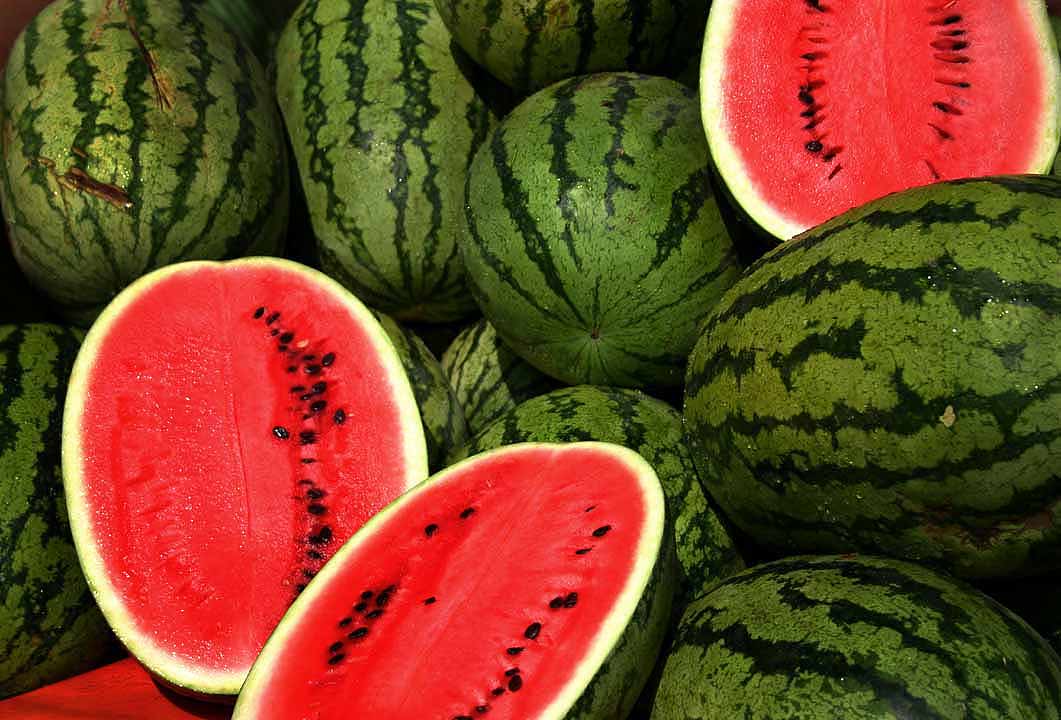
Cantaloupe, strawberries and peaches are high in water content but also contain potassium that is essential to heart health. Potassium helps to regulate the heartbeat. When you sweat, you lose valuable potassium that can only be replaced by eating potassium-rich foods or taking a supplement. Pineapples and cherries contain melatonin and other micronutrients that help to reduce inflammation in the body. They are high in water content too. Watermelon, oranges, lemons, limes, grapefruit and kiwi are all high in vitamin C. Cucumbers are 96 percent water but also contain minerals and vitamins, including calcium, magnesium, sodium and potassium. Celery also contains all these minerals plus phosphorus, zinc and iron, which are essential to bone and blood health. 

The next time you exercise outdoors, pack plenty of bottles of water and take along a container of fresh fruits and vegetables to help hydrate your body. 

Good Sources of Calcium & Vitamin D

Photo Credit: MigGroningen CC-BY-SA-3.0

Calcium and vitamin D are essential to strong bones, teeth and skin. Bone cells are replaced much like skin cells. Old bone cells are shed and new bone cells replace them. Your body needs calcium and vitamin D to replace bone cells. Vitamin D helps the body to absorb the calcium it needs to build strong bones and prevent diseases like osteoporosis. You need to eat a variety of foods rich in both calcium and vitamin D and get adequate exercise to keep your bones healthy and strong. Natural sources of vitamin D and calcium are best, but drinking vitamin D and calcium fortified milk and juices can also provide the essential nutrients your bones need. Only your doctor can tell you if you need a vitamin and mineral supplement. If you think you need a supplement, see your doctor for a check up before taking any over-the-counter supplement. 
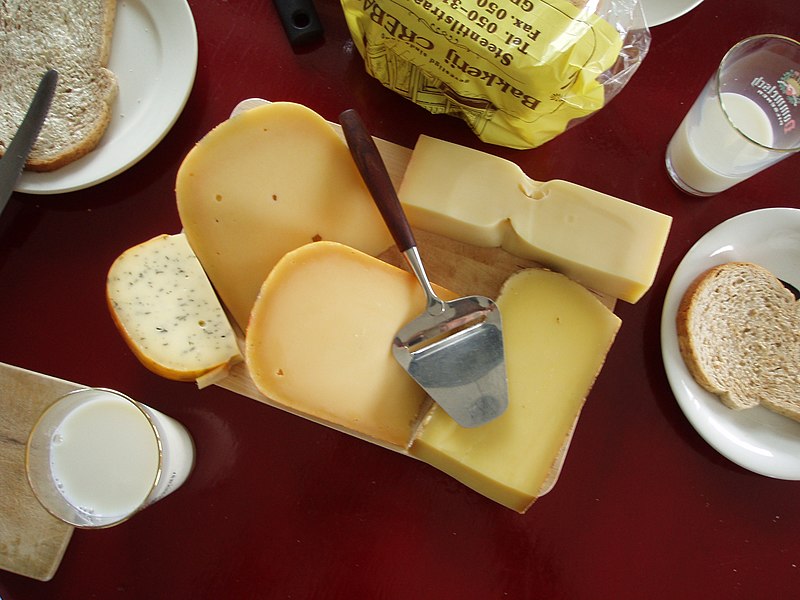
Your body cannot make calcium; therefore, you have to get your calcium from the foods you eat. Dairy foods, such as milk, yogurt and cheese are rich in calcium and Vitamin D. Spinach, kale, collard greens, okra, white and soy beans, and fish, including trout, salmon, perch and sardines are rich in calcium. Orange juice and milk are often fortified with both vitamin D and calcium. Breakfast cereals, including oatmeal and some cold cereals, are also enriched with extra vitamin D and calcium.
In addition to milk, yogurt and cheeses, you can get vitamin D from foods like tuna, salmon, mackerel and other fatty fishes. Egg yolks and beef liver are also rich in vitamin D. Your skin produces vitamin D when exposed to sunlight. About 5 minutes per day is enough to stimulate your skin to produce vitamin D. Avoid over-exposure to the sun. Sunburn and skin conditions such as premature aging and skin cancer can result from too much sun exposure. 

Nutrition Before, During & After Exercise

Photo Credit: Evan-Amos CC0 1.0 PD
Athletes who train every day and the weekend walker and everyone in between needs hydration and nutrition to stay energized and get the most from their workout. Fueling your body before and during a workout can give you that extra edge. Eating the right things after a workout provides the nutrients and trace elements your body needs to repair and recover. Should you eat some of energy bars, chug a sports drink between exercises or can you get all the nutrition and energy you need from a balanced diet? 
Before exercise, the best foods for strength, endurance and energy will contain carbohydrates and protein. Carbohydrates fuel your body and protein is necessary to repair and maintain muscle. Carbohydrates and protein are found in lean meats, whole grain breads, pasta, rice, many fruits and vegetables. A good pre-exercise meal will be low in fat, low in fiber but contain a moderate amount of carbohydrates and protein. Too much fiber will fill you up and make you feel a little sluggish. Drink a large glass of water with your pre-workout meal and drink a second glass of water just before you start to exercise. A sports drink that contains electrolytes and trace nutrients is a good idea if you plan to exercise for 1 hour or longer. 

During your workout it’s a good idea to have a light snack between exercises or during a break in the action if you are playing a sport. Eat a few slices of apple, orange or some grapes to replenish your body’s supply of natural sugars and antioxidants. Refuel your muscles with some carbohydrates available in low-fat cheese slices and whole grain crackers. A handful of granola, some dried fruit or a cup of fruit juice are also good choices to re-energize your body. 

After your workout, you need to replenish the nutrients your body needs to repair and recover. Your muscles need protein to repair and grow, as well as complex carbs to refuel your muscles for the next workout. Lean meats, eggs, whole grain pasta and breads, low-fat dairy  foods, beans and rice are good sources of protein. 
Muscles need protein for recovery and growth, and the best time to deliver protein appears to be right after exercise. Providing high-quality protein after exercise gives your muscles the fuel and the building blocks needed for both repair and for growth. A protein shake can also replenish your body’s store of protein. Remember to drink plenty of water before, during and after exercise to stay hydrated. 

Does The Grapefruit Fat Burning Diet Work?

Photo Credit: Aleph CC-BY-SA-2.5
Grapefruit is often claimed to be a negative calorie food, meaning your body will expend more energy digesting the food than the number of calories the food contains. Citrus fruits should be a part of a healthy, nutritious diet. However, there are no scientific studies to support the claim that grapefruit has magical weight-loss ingredients. The grapefruit diet is merely another fad diet in a long list of fad diets that might work initially but are ineffective over the long term. Grapefruit contains numerous vitamins, such as vitamin C, micro-nutrients, including potassium, and is a low-calorie, high-fiber food. Pink grapefruit is rich in beta-carotene and has a less sour flavor. People who claim to have lost weight eating the grapefruit diet probably did so due to the low-calorie menu. The typical grapefruit menu plan provides less than 1,200 calories per day. Most diets provide between 800 to 1,000 calories. The grapefruit diet is typically low-carbohydrate, moderate fiber diet, which may not provide all the nutrients your body needs. Many people who lost weight on the grapefruit diet regained the weight once they returned to a more normal diet. Avoid any diet that restricts your food choices to one category of food, or one type of food from that category. Don’t believe any claim that you will lose 10 pounds in a few days either. Rapid weight loss may not be safe. 
The best way to lose weight safely and keep it off is to eat a well-balanced, nutritious diet, drink plenty of water and stay physically active. Cut out sodium, fats and sugar usually found in processed foods and fast food. Walking is a great way to get plenty of exercise without the cost of equipment or gym fees. Doing housework, mowing the lawn and gardening also burn calories and exercise your muscles. Eat sensibly. Choose foods that are nutritious and naturally low in calories. Add more fruits and vegetables to your diet and exercise regularly to lose weight, burn fat and stay healthy. 

Don’t Regain Lost Weight

Photo Credit: FitnessFreakLA CC-BY-SA-3.0
You’ve worked hard to lose excess weight, but you may be worried about regaining the lost weight. Many people will lose weight only to regain the lost weight or even gain more weight than they lost. It can be discouraging to work so hard only to be back at the starting line after a few months. There are some things you can do to maintain your weight and avoid regaining lost weight. 
Never skip meals. Skipping meals can cause you to feel more hungry at meal time. If you are very hungry at meal time, there is a chance you will overeat. Skipping meals also causes your metabolism to slow down. A slower metabolism means your body will store food as fat. Keep your metabolism humming along by eating a nutritious, high fiber breakfast that includes whole grains, low-fat dairy and fruits or fruit juice. Eating 5 small meals throughout the day is more effective to keep your metabolism burning calories than eating 3 big meals. Choose raw fruits, vegetables, nuts and grains as snacks between breakfast and lunch and again between lunch and dinner. Granola bars or whole fruits such as peaches, apples or pears can satisfy your hunger and keep your metabolism working. 
Weigh yourself once each week at the same time of day each week. Keep a journal to record your weekly weight. You can use the information to monitor your weight and track trends in weight fluctuations. Start an exercise journal. Write down all your physical activity along with duration and intensity of the exercise. For example, if you walk to work instead of driving or taking the train, write down how long you walked, your pace and the distance walked. Write down the duration and intensity of workouts on exercise equipment, too. Keep a food journal and write down everything you eat every day. After 6 to 8 weeks, compare the information in your weight, exercise and food journal. You should be able to recognize patterns in eating and exercise that correlate with your weight loss or gain.
Continue to eat a variety of healthy foods and get at least 30 minutes of exercise every day. Don’t forget to drink plenty of water to stay hydrated.