Benefits of a High-Fiber Diet

Photo Credit: Biswarup Ganguly CC-BY-3.0
Dietary fiber has health benefits from weight-loss, to lower cholesterol and cancer prevention. What’s the truth about dietary fiber? Dietary fiber is found in all plant foots and consists of the parts of the food that your body cannot digest. Many people refer to dietary fiber as roughage. The fiber passes through your body intact because it cannot be digested. There are two types of dietary fiber: soluble and insoluble. Soluble fiber dissolves in water, whereas insoluble fiber does not dissolve in water. 
Insoluble fiber travels through your digestive system relatively unchanged and promotes a healthy digestive system by moving waste through your system. Whole grains, such as wheat, oats, bran, nuts and most vegetables contain insoluble fiber. A diet rich in insoluble fiber can help to regulate bowel movements, which prevents constipation. Eating a diet rich in insoluble dietary fiber can also help prevent hemorrhoids and protect the health of the colon. 
Soluble fiber dissolves in water. Dissolved soluble fiber takes on a gel-like consistency in your digestive system. Soluble fiber can help to lower glucose (sugar) levels in the blood and reduce cholesterol. Soluble fiber also helps to lower the blood pressure. Eat oats, beans, apples, carrots, barley and citrus fruits to get natural sources of soluble fiber. The absorption of sugar from the digestive system into the blood is slowed when soluble fiber is included in the diet. 

High-fiber diets may also help you to lose weight and control your weight. When you eat high-fiber foods, you chew longer and eat less. High-fiber foods help you to feel fuller faster, and you stay full longer than eating foods that are low in fiber. Drink plenty of water and enjoy the benefits of a high-fiber diet. 

Does The Grapefruit Fat Burning Diet Work?

Photo Credit: Aleph CC-BY-SA-2.5
Grapefruit is often claimed to be a negative calorie food, meaning your body will expend more energy digesting the food than the number of calories the food contains. Citrus fruits should be a part of a healthy, nutritious diet. However, there are no scientific studies to support the claim that grapefruit has magical weight-loss ingredients. The grapefruit diet is merely another fad diet in a long list of fad diets that might work initially but are ineffective over the long term. Grapefruit contains numerous vitamins, such as vitamin C, micro-nutrients, including potassium, and is a low-calorie, high-fiber food. Pink grapefruit is rich in beta-carotene and has a less sour flavor. People who claim to have lost weight eating the grapefruit diet probably did so due to the low-calorie menu. The typical grapefruit menu plan provides less than 1,200 calories per day. Most diets provide between 800 to 1,000 calories. The grapefruit diet is typically low-carbohydrate, moderate fiber diet, which may not provide all the nutrients your body needs. Many people who lost weight on the grapefruit diet regained the weight once they returned to a more normal diet. Avoid any diet that restricts your food choices to one category of food, or one type of food from that category. Don’t believe any claim that you will lose 10 pounds in a few days either. Rapid weight loss may not be safe. 
The best way to lose weight safely and keep it off is to eat a well-balanced, nutritious diet, drink plenty of water and stay physically active. Cut out sodium, fats and sugar usually found in processed foods and fast food. Walking is a great way to get plenty of exercise without the cost of equipment or gym fees. Doing housework, mowing the lawn and gardening also burn calories and exercise your muscles. Eat sensibly. Choose foods that are nutritious and naturally low in calories. Add more fruits and vegetables to your diet and exercise regularly to lose weight, burn fat and stay healthy. 

How to Get More Fruit In Your Diet

Photo Credit: Dr. Karl-Heinz Hochhaus CC-BY-3.0

Fruits and vegetables are an essential part of a healthy diet and may even reduce your risk of getting some types of cancer. Fruits are delicious and packed with nutrients. It’s easy to find ways to incorporate more fruits into your daily diet. Fruits are available fresh, frozen, dried and canned. You can use fruits in salads, sandwiches, drinks and desserts. They are great for snacks, too. When you buy fresh fruits, always wash them thoroughly under running water to remove dirt, bacteria and any trace of pesticides before eating or cooking. Keep your fresh fruits stored separately in the refrigerator away from meats and other foods. 
One of the easiest ways to eat more fruit is to keep a bowl of fresh, washed fruit on a table or on the kitchen counter. You and your children are more likely to reach for a fragrant orange or a tasty banana for a snack if they are readily available. Make a delicious fruit salad using fresh, cut up fruits. Add some orange juice and stir. Fresh fruit salad is delicious and does not need extra sugar for sweetening. Cut oranges, apples, grapes, pears, peaches, nectarines, tangerines, pineapple and melon into cubes and stir together with a cup of orange juice. Eat it right away or refrigerate. 
Bananas, prunes, peaches, apricots, melons and oranges are loaded with potassium, an essential nutrient. Try some sliced bananas or fresh peaches in your cold, whole grain breakfast cereal. The natural sweetness of the fruit reduces the need for additional sweeteners or sugar. Strawberries, blueberries, raspberries, bananas or raisins liven up a hot bowl of oatmeal, too. You can get more fruit into your diet at lunchtime by adding fruit to low-fat yogurt or eating a whole, fresh apple, orange or pear for dessert. Fruits are available packaged for individual servings that are great for a mid-morning or late afternoon snacks at work. Add apple chunks and grapes to chicken salad for a delicious, crunchy lunch sandwich. Keep a box of raisins or other dried fruit, such as apricots, in your desk at work for a quick, tasty snack. Fresh fruit smoothies are another way to get fresh fruit into your diet. Make your own by blending low-fat milk with fresh fruits and ice. 

Health Benefits of Green Tea

Photo Credit: Wikimol  CC-BY-SA-2.5

Have you heard about the health benefits of drinking green tea? Green tea has been touted as beneficial to weight loss, cancer prevention and improved mood, but is it true? Green tea has been used for hundreds of years as a diuretic, to treat gas, regulate blood sugar and blood pressure and even to help stop bleeding. Other claimed health benefits include better digestion and a sharper mind. How does green tea help improve all these health issues? 
Green tea contains powerful antioxidants that help to prevent cell damage by free radicals. The most potent antioxidants in green tea are catechins. Free radicals attack and damage the DNA in cells. Damaged DNA can contribute to cancer and other serious illness. Studies have shown that green tea antioxidants inhibit the growth of cancer cells in a test tube, but human studies are inconclusive. The catechin epigallocatechin-3-gallate (EGCG) is especially high in green tea. EGCG and other tea catechins have helped to reduce cancer growth in laboratory animals. It’s not clear how catechins inhibit the growth of cancer cells, but the they do and it can’t hurt to add some green tea to your diet to help cleanse your body of free radicals. 
Drinking green tea as part of a weight loss diet can improve weight loss. Green tea helps to boost your metabolism, which results in burning more calories. Green tea also helps weight loss by lowering LDL cholesterol, or the bad cholesterol. High LDL cholesterol can lead to other health problems including heart disease, plaque buildup in arteries and high blood pressure. Drinking green tea also helps to regulate blood sugar levels and blood pressure
Green tea’s health benefits are numerous. If you don’t like tea or have never tried it, try replacing one cup of coffee with a cup of green tea every day. Soon you will be enjoying not only the health benefits, but also the flavor of this ancient health-boosting drink.

For more information about the health benefits and cancer-fighting properties of green tea see:

Get Moving to Relieve Stress

Photo Credit stuartpilbrow CC-BY-SA-2.0
It is practically impossible to avoid stress, but we can learn to manage stress and reduce the impact of many of the negative effects of stress. Stress often manifests in physical symptoms, such as headaches, insomnia, elevated blood pressure, muscle aches and pains and tiredness. Stress affects your mood and may result in anxiety, inability to focus, feelings of sadness and restlessness. Your behavior may also change due to stress. Some people deal with stress by overeating or not eating enough. Stress can be the driving force behind angry behavior or substance abuse. Any form of exercise can help relieve the effects of stress. You can benefit from the stress relieving effect of exercise whether you are in top shape or completely out of shape.
Regular exercise improves your physical fitness and your mood. Exercise and physical activity stimulates your brain to produce endorphins that improve your mood and relieve aches and pains. After about 30 minutes of exercise, you may discover that you stopped thinking about the things that caused your stress. As you focus on exercising, you are not worrying about tomorrow’s long list of tasks at work, your teen’s growing pains or financial concerns. Regular exercise and a healthy diet can help you feel better physically and emotionally. Your sleep and ability to concentrate will also improve. As you continue to exercise and focus on the movement of your body, you should experience increased ability to focus in other areas of your life.
Any physical activity can help relieve stress and stress-related symptoms like anxiety. Walking, riding a bicycle, lifting weights or simply cleaning your house or working in the yard or garden counts as exercise and helps to relieve stress. Regular exercise improves your self-confidence also. You can lose weight and look and feel more fit.


Safe Summer Grilling

Photo Credit:  Tom Harpel  CC-BY-2.0
Grilling food outdoors during the summer is an American tradition. The savory smell of grilled steaks and vegetables fill neighborhoods all around the country during this time of the year. Unfortunately, many Americans will cook high-fat, high-cholesterol foods like sausages and ground beef. In addition to the unhealthy saturated fat, meat drippings that burn on the coals release chemicals that may contribute to cancer. Polycyclic aromatic hydrocarbons (PAHs) and heterocyclic amines (HCAs) are produced when meat is grilled or when fats burn on the grill coals or heating elements. Bacteria is also a potential health concern when grilling outdoors. Handle meats carefully, make lean meat choices and grill more vegetables for a safer, healthier grilling season.
Grilled ground beef patties are a summer fare favorite. Bacteria on meat is normally killed during the cooking process but under-cooked meat can leave live bacteria inside the meat. Bacteria on the outside of ground beef gets mixed up to the inside of the burger patties when they are formed. Cook hamburger patties thoroughly to kill harmful bacteria hiding inside your burger. A 1/2 inch thick burger should be cooked for about 13 to 15 minutes. Meats like chicken, steaks and fish should be cooked thoroughly to kill bacteria inside the meats. The only way to be sure chicken is safely cooked is to use a meat thermometer. The inside temperature of chicken has to reach at least 165 degrees Fahrenheit to be safely cooked. 
Cook sausages on low heat to avoid charring the outside but leaving the inside under-cooked. Bratwurst and Italian sausages should be cooked over low coals to prevent the skin from burning and splitting. Start with a lean cut of meat and trim all the fat off the meat before grilling to reduce the saturated fats in your diet and to avoid potentially harmful chemicals released when fat drips on the coals.
Try some fruits and vegetables on your summer grill for a tasty healthy alternative to meat. Tomatoes, bell peppers, zucchini, pineapple, eggplant,  apples, pears, and onions are delicious grilled as a vegetable-fruit mix or as kabobs. Cook vegetables for 10 to 12 minutes over a medium grill. Use marinade for extra flavor.

Nutrition for Older People

Photo Credit: Brian Donnelly for CDC PD

Good nutrition is important at every age, but it is especially important to eat a variety of foods when we become older. Older people may be at risk for age-related diseases, such as stroke, heart attack, osteoporosis, arthritis and diabetes. A life-long healthy lifestyle is the best way to reduce your risk of age-related disease, but it is never too late to start eating a healthy diet. Older people are at risk of losing muscle mass. Protein is critical to maintain muscle mass and to repair injured muscle tissue. Eggs, fish, poultry and lean beef are good sources of protein. Nuts, soy and low-fat dairy also provide sufficient protein to help maintain muscle mass. Adequate protein and remaining active can help reduce age-related muscle loss. 
Older people who may not be as active as others need fewer calories but still need carbohydrates for energy. The sugar fructose in fruits and lactose in milk and dairy products can help you boost your energy level. By eating a variety of fresh fruits and vegetables, you will provide your body with vitamins, fiber and trace minerals that are necessary for good health and keep your energy levels up. Some aging people are less active so they need fewer calories. Try to stay active throughout your life, but adjust your caloric intake to account for less activity. Your doctor or a dietitian  can help you determine your energy needs and adjust your diet to meet calorie needs. 
Limit the amount of fats in your diet. Replace saturated fats from beef, butter, high-fat dairy, processed foods and margarine with natural oils like corn, soy and olive oils. Many processed foods including cookies, frozen foods, crackers and read-to-serve packaged meals contain hydrogenated fats also called trans fats. These fats can cause plaque buildup in your arteries, which can increase your risk of cardiovascular disease.  Remain active as long as you can by walking, swimming and stretching your body. Remember to drink plenty of water to stay hydrated. 

Should You Take Vitamins?

Photo Credit: Ragesoss CC-BY-SA-3.0

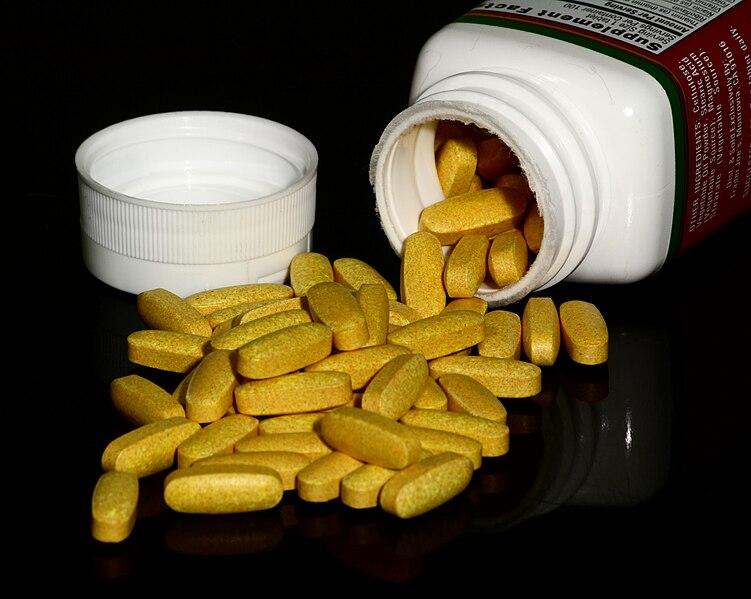
Vitamins are necessary for nearly every bodily function. Some vitamins are essential to your health: Vitamins A, C, D, E and K. You also need all of the B-vitamins including riboflavin, niacin, thiamine, biotin, folate and panthothenic acid. Too much of anything can be harmful to your health, and this holds true for vitamins as well. If you eat a well-balanced diet, you should be getting all the nutrition you need. Those who exercise strenuously on a regularly basis, body builders and runners may need a vitamin supplement. People who are limiting caloric intake and exercising to lose weight may also need a vitamin supplement. Pregnant women and women who are breastfeeding may also need to take a vitamin supplement to help prevent neural tube birth defects, like spina bifida. See your doctor if you think you need a vitamin supplement. 
An over-the-counter vitamin supplement may be necessary, especially for body builders and people who engage in frequent, vigorous exercise. Should you decide to take a vitamin supplement, consider taking a multivitamin. Choose one that does not contain ingredients that you may not need and may cause an adverse reaction. Some multivitamin supplements contain herbal extracts, which you don’t need and don’t want to take. Always read the label before taking a multivitamin. 
Consider your current health, your diet, your fitness level and how much you exercise and talk to your doctor before taking a vitamin supplement. A dietitian can help you to assess your nutrient intake from the foods you eat and help you adjust your diet to get more nutrients. 

For more information about vitamins see:

Diet Don’ts

Photo Credit: USDA PD

Obesity is a serious problem in the United States. Obesity rates are more than 30% of the population of some states and the problem appears to be growing. The increase in obesity rates has many people re-thinking their diet and fitness habits. Some may even take extreme measures to lose weight or to prevent weight gain. Extreme measures to control or lose weight can lead to serious health problems and are not advised. 
Don’t do extreme dieting. Extreme dieting is a common method employed by many people who want to quickly lose weight. Starvation diets, skipping meals, cutting entire food groups from the menu or relying on diet shakes for nutrition can result in malnutrition and loss of muscle mass. Your metabolism will also slow down, which  defeats your weight loss goal. The average person needs at least 1,200 calories every day to stay healthy.  Eat a variety of foods, including dairy, fruits and vegetables to get the nutrition you need and to avoid hunger. Avoid fad diets that limit the variety of foods you can eat or restrict your menu to only a few foods from one or two food categories. 
Don’t count on diet pills or shakes to help you lose weight. Diet products that promise you will lose tens of pounds in just few weeks are unlikely to live up to this claim and may actually harm your health. Most diet pills are a combination of diuretics and caffeine, which cause you to lose water and can result in dehydration. Overuse of diet pills can result in electrolyte imbalance, too. 
Over-the-counter diet pills may not appear to be dangerous , but they can still cause harm. “Most diet pills are nothing more than a quick fix loaded with caffeine and diuretics that can lead to dehydration and electrolyte imbalance,” says Diekman, director of nutrition at Washington University in St. Louis. Diet supplements and over-the-counter diet pills do not receive the same level of scrutiny by the Food and Drug Administration as prescription drugs, so their safety and effectiveness is not assured. 

Don’t do colon cleanses or detox programs. Colon cleanses can cause you to lose some weight initially due to water loss and the complete emptying of the bowel. Water loss from colon cleanses can cause dehydration. Detoxing your body by drinking only juice or water for days can lead to a lack of nutrients, decreased metabolism and may cause other health problems. It’s best to drink lots of water and eat a high-fiber diet every day. 
Don’t purge. Purging, like vomiting or using laxatives are unsafe and can lead to serious, sometimes life-threatening, health problems. When you force yourself to vomit shortly after eating, strong stomach acids can cause erosion in the lining of the mouth and esophagus. Tooth enamel is also damaged by stomach acids. Purging can lead to the severe eating disorder bulimia. 

Eat For Prostate Health

Photo Credit: National Cancer Institute

Men can reduce their risk of prostate cancer by living a healthy lifestyle that includes exercise and a healthy diet. There is some evidence to support lycopene in the diet may help reduce the risk of developing prostate cancer, but there is no conclusive evidence that it prevents cancer. The best way to reduce your risk of prostate cancer or any disease is to eat healthy foods, get plenty of rest and exercise regularly. Some foods may help to reduce your risk of cancer and improve your overall health.
Men who want to reduce their risk of prostate cancer should choose a diet that is low in fat. Meat and dairy products are high in fat, which may increase the risk of prostate cancer. Choose low-fat dairy products, like skim milk, low-fat yogurt and reduced fat cheeses. Eat more fresh vegetables and limit the amount of red meat in the diet to reduce fat intake.
Folate is a B vitamin that is found in green vegetables. Folic acid is a synthetic form of folate that is often found in vitamin fortified foods and dietary supplements. According to the National Cancer Institute, a 10 year study of men who took a dietary supplement of folic acid were at greater risk of developing prostate cancer than men who consumed natural folate in their diets. To get enough folate in your diet, eat plenty of green vegetables and fruits. 
Omega-3 fatty acids also help to reduce the risk of prostate cancer. Omega-3 fatty acids are found in fish, including salmon tuna, sardines and trout. Green tea is also helpful to reduce the risk of prostate cancer. Trade steak for fish and coffee for green tea a few times each week to get the benefits of the nutrients in these foods that can help lower your risk of cancer.