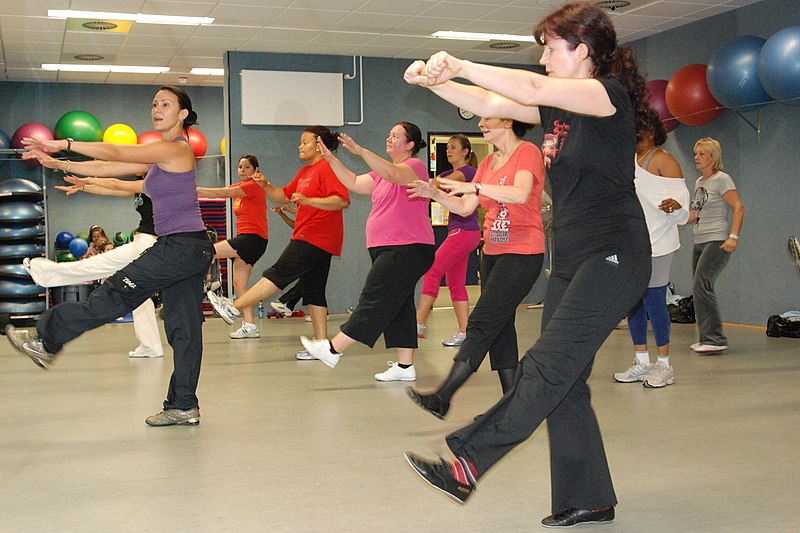
Cool Down & Get In Shape With Water Aerobics

Photo Credit: Jorge Royan CC-BY-SA-3.0

Many people enjoy a refreshing swim or just splashing around in a pool on hot summer days. Swimming or just playing in a pool is a good aerobic workout. Water aerobic exercises are a safe alternative to regular aerobic exercise for some people. Those who have joint problems, such as arthritis, are overweight, pregnant and most older people, can benefit from water aerobics. Water aerobic exercises are extremely low impact. The water provides resistance, so just walking back and forth across a swimming pool is a good workout. Gyms and community centers often provide water aerobics classes complete with weights, floats and other exercise equipment, as well as trained fitness experts to help you get the greatest, safest benefit from your workout. 
Some of the benefits of water aerobics include improved endurance. The water resistance forces you to work your muscles without the danger of injury associated with weight bearing or high-impact exercises. Simply walking in the pool or swimming will improve your core strength as you engage your abdominal muscles to move against the resistance of the water. The water supports the weight of your body, which makes water aerobics a good exercise for pregnant women. You will stay cool during your workout, too.
Even though water aerobics is generally safe for most everyone, be sure to take some common sense precautions before beginning a water aerobics fitness program. Be sure to see your doctor for a complete physical checkup and tell your doctor that you want to start water aerobics. Make sure that there is a trained and certified lifeguard on duty at the pool where you will be exercising. Remember to drink plenty of water before and after your workout. Stretch your muscles before entering the pool to prepare for exercise. Be very careful walking around in bare feet on the wet area around the pool. Don’t forget the sunblock if you exercise in an outdoor pool. 

Sensible Snacking

Photo Credit: FotoosVanRobin CC-BY-SA-2.0

Americans really enjoy their snack foods. Vending machines are located just about everywhere and contain sugary drinks, chocolate bars, salty chips and pretzels and candy snacks. Convenience stores and many grocery stores place the candy bars and small bags of chips close to the checkout line or beside the cash register where you will be tempted to make an impulse buy. These snacks can contribute hundreds of empty calories to your diet. According to the USDA snacks can amount to nearly 600 calories per day. Many people will consume a full meal’s worth of calories every day just by snacking. Eating between meals does not have to be a diet disaster. You can eat a healthy, nutritious snack between meals that can help boost your metabolism to aid in weight loss. The key to losing or maintaining your weight and still enjoy between-meal snacks is to snack sensibly.
If you get hungry between meals, you should eat a healthy snack so that you do not over-eat at mealtime.  Snacks that will curb your hunger without adding too many extra calories will contain fiber and protein.   Peanut butter on whole wheat crackers or on a stalk of celery will ease your hunger pangs and provide nutritional protein, carbohydrates and fiber to help you feel full. Raisins, walnuts, almonds, dried cherries and apricots or fresh fruits, such as apple slices, a pear, an orange or a handful of grapes are rich in nutrients, fiber and antioxidants. One-half cup of low-fat yogurt with fresh fruit, like blueberries, raspberries or strawberries, can help you feel less hungry while providing your body with important vitamins and calcium. 
Don’t keep a bowl of chips, pretzels, popcorn or candy on the table in the television room! Mindless snacking can add hundreds of calories to your diet and you won’t even realize how much you have eaten. Replace your high-calories television snacks with healthy alternatives like dried fruits, nuts, granola and fruits. Low-fat cheese and whole wheat crackers is a healthy alternative to popcorn and chips. Cut out the sodas when you snack. Drink a glass of water before your snack to help you feel full between meals. 

Dump the Saddlebags

Photo Credit: Bill Branson, National Cancer Institute PD
Saddlebags are those pouches of fat that accumulate on the outer thighs. Women are particularly susceptible to fat deposits on the thighs. The best ways to dump the saddlebags are to eat nutritious, low-fat foods and exercise. Cardiovascular exercises, such as swimming, running, brisk walking or jogging and bicycling, help burn fat. There are also some exercises that you can do right at home to help burn away the saddlebags. When you exercise to get rid of hip and thigh fat, you can lose weight overall while building muscle. 
Do some step-ups on a low step stool or a step  aerobics stool. Stand in front of the stool with your arms relaxed at your side. Step up onto the stool leading with your right foot and then bring your left foot up beside your right foot. Step down onto the floor with your right foot and follow with your left. Repeat 10 to 15 times and then switch to leading with your left foot. Add some extra calorie burning to your step-ups by holding a 5 pound dumbbell in each hand. If you don’t have a set of dumbbells, hold a 1/2 gallon container of water in each hand. Use a container with a sturdy handle. 
Side leg raises work the muscles of your thighs, buttocks and abdomen. Hold the back of a sturdy chair and stand up straight. Place your feet about hip-width apart. Drop your shoulders and stretch your spine upward. Lift your right leg upward in front of your body. Keep your leg as straight as you can and then stretch your right leg out to the right of your body. Hold this position for 2 to 3 seconds and then slowly return your leg back to the floor. Do 15 repetitions with each leg. 
Lie on your left side with your left leg on top of your right leg. Rest your left forearm on the floor to support your upper body and place your right hand on the floor in front of your torso. Squeeze your abdominal muscles and lift your right leg straight up toward the ceiling. Keep your upper body straight. Hold your leg up for 5 seconds and return to the start position. Repeat 20 times on each side. 
Squats are great for the abs, hips and thighs. Stand up straight with your feet flat on the floor, about hip-width apart. Place your hands comfortably on your hips. Bend your knees to lower your body to a sitting position. Keep your back straight to avoid bending forward. Push your body back upright using your legs. Repeat this exercise 10 to 15 times. 

Diet Damaging Drinks

Photo Credit: Abhijit Tembhekar CC-BY-2.0

You’ve been watching what you eat, cutting down on calories and getting exercise, but for some reason you just aren’t losing weight fast enough. Have you given much thought to the beverages you enjoy every day? When you are trying to limit calories, don’t overlook the calories hiding in your cup or glass. Fancy coffee drinks, alcohol drinks and even fruit smoothies contain hundreds of diet damaging calories that can interfere with achieving your weight loss goals.
Soda is one of the worst drinks for dieters and anyone who is concerned about watching their weight or controlling the sugar in their diet. The average soda contains several hundred calories and is loaded with sugar. The calories in regular soda are empty calories, meaning you consume hundreds of calories but receive little to no nutritional benefit. Switching to diet soda or sugar-free soda can help, but you may not be able to lose weight by switching to diet soda alone. 
Natural fruit juice contains plenty of vitamins, minerals and antioxidants that your body needs to stay healthy. But, did you know that fruit juice may also contain several hundred calories in just one short glass? Look for fruit juices that are 100 percent juice. Avoid juice drinks or blended fruit-flavored drinks. These types of drinks usually contain 10 percent or less actual fruit juice and contain lots of sugar. Mix  your fruit juice with some cold water to cut down on calories. 
Unless you make your own fruit smoothies, you may be getting little fruit and mostly fruit concentrate, artificial flavors and sugar. Some smoothie shops blend real fruit with sweeteners like ice cream or honey, which can put the calorie count through the roof! Make your own healthy, low-calories, nutrient-rich fruit smoothies at home by blending bananas, strawberries, a splash of 100 percent orange juice or a fresh orange with ice and skim milk. 

Flavored vitamin water is another drink that can sneak in extra calories. Some flavored vitamin water contains sugar. Select flavored water that contains no sugar or make your own flavored water. Refrigerate water until it’s cold. Flavor it naturally with lemon juice or add some sliced strawberries to a glass of cold water for a delicious, refreshing drink. Drink a couple of glasses of water before every meal to help you feel more full to avoid overeating and to stay hydrated. 

Does The Grapefruit Fat Burning Diet Work?

Photo Credit: Aleph CC-BY-SA-2.5
Grapefruit is often claimed to be a negative calorie food, meaning your body will expend more energy digesting the food than the number of calories the food contains. Citrus fruits should be a part of a healthy, nutritious diet. However, there are no scientific studies to support the claim that grapefruit has magical weight-loss ingredients. The grapefruit diet is merely another fad diet in a long list of fad diets that might work initially but are ineffective over the long term. Grapefruit contains numerous vitamins, such as vitamin C, micro-nutrients, including potassium, and is a low-calorie, high-fiber food. Pink grapefruit is rich in beta-carotene and has a less sour flavor. People who claim to have lost weight eating the grapefruit diet probably did so due to the low-calorie menu. The typical grapefruit menu plan provides less than 1,200 calories per day. Most diets provide between 800 to 1,000 calories. The grapefruit diet is typically low-carbohydrate, moderate fiber diet, which may not provide all the nutrients your body needs. Many people who lost weight on the grapefruit diet regained the weight once they returned to a more normal diet. Avoid any diet that restricts your food choices to one category of food, or one type of food from that category. Don’t believe any claim that you will lose 10 pounds in a few days either. Rapid weight loss may not be safe. 
The best way to lose weight safely and keep it off is to eat a well-balanced, nutritious diet, drink plenty of water and stay physically active. Cut out sodium, fats and sugar usually found in processed foods and fast food. Walking is a great way to get plenty of exercise without the cost of equipment or gym fees. Doing housework, mowing the lawn and gardening also burn calories and exercise your muscles. Eat sensibly. Choose foods that are nutritious and naturally low in calories. Add more fruits and vegetables to your diet and exercise regularly to lose weight, burn fat and stay healthy. 

Overcoming Gym-Phobia

Photo Credit: Irepkabl PD

The Centers for Disease Control declared obesity is a national epidemic. Many factors contribute to obesity, including unhealthy diet and a sedentary lifestyle. Diet and exercise fads seem to be on the increase, perhaps to take financial advantage by selling lose-weight-quick programs and pills. Turn on late night television and you will probably see a few infomercials featuring diet pills or the latest fat-busting exercise DVD. Losing weight can be difficult. Some people need guidance and support to succeed. A gym is a place where those who need some help can meet others who are supportive. Staff and personal trainers can offer instruction to prevent injury and motivation to keep you going. Home exercise programs are a fantastic way to lose weight and get fit, but they don’t work for everyone. It’s too easy to put off getting started or lose motivation to exercise at home when the television and sofa beckon. Some people may avoid joining a gym because they are embarrassed about their physical appearance or feel like they won’t fit in. If you are anxious or reluctant to join a gym because you’ve never been to one, there are some things you can do to prepare for your first trip to the gym. 
Define your fitness goals and discover what motivates you to achieve your goals. Do you want to lose 15 pounds or even 30 pounds? Do you want to get a flatter stomach or firmer arms? Maybe you are motivated to lose weight and get fit because there is an important event coming up, like a wedding or family reunion. Perhaps you are motivated to get fit before your 20 year class reunion. Whatever your motivation to get started, the important thing is you are motivated. Once you get started exercising and eating a healthier diet, you will look better and feel better.
Avoid setting yourself up for failure. You may not be able to just walk into a gym and start exercising. People who have not exercised in years should prepare for the gym by building up their endurance. Walking is a great way to build endurance. Make a commitment to walk 10 minutes every day for one week. Walk for 20 minutes every day for the next week. By the third week, you should be able to walk for 30 minutes and more confident that you can do 20 to 30 minutes of exercising on a gym treadmill or elliptical machine. After your first successful treadmill or elliptical workout, you will come away from the gym feeling confident and motivated. 
Many gyms offer trial periods. Take advantage of the trial period to find a gym that works for you. A good gym will provide an orientation program designed to not only familiarize you with the gym equipment and policies, but also inquire about your current level of fitness, health issues and goals. A personal trainer at a gym offers personal instruction and can help you develop a realistic plan so that you meet and even exceed your fitness goals. 

Worst Foods for Belly Fat

Photo Credit: Brittany Carlson PD US Army
We all know that excess body fat can be a threat to our health. Excess fat around your waist can be a bigger threat to your health than fat anywhere else on your body. Belly fat has been associated with heart disease, type 2 diabetes and stroke. Some people have a tendency to put on belly fat due to their genes, but poor eating habits and lifestyle choices often lead to extra fat around the midsection. High-fat foods alone are not to blame for belly fat. Foods high in fat are not helpful, but eating foods high in calories and low in nutrition are more of a threat than high-fat foods alone. The best way to prevent or to get rid of excess belly fat is to reduce the amount of food you eat and eat healthier foods. Eat a nutritious diet that includes plenty of fresh fruits and vegetables, whole grains and incorporate exercise into your daily routine. 
Alcohol is a major contributor to belly fat. Alcohol has almost as many calories per serving than most high-fat foods. Drinking alcohol can also leave you feeling more hungry than normal. Also, your liver is too busy ridding your body of the alcohol to burn fat calories, so you end up storing calories as fat. This is the reason many people develop what is commonly called “beer belly.” Drink moderately and avoid eating when you drink. 
Foods that contain trans fats, especially hydrogenated oils, add fat to your waistline. Trans fats are found in cookies, crackers, fried foods, margarine, shortening and processed foods. Packaged and convenience foods, such as cake, biscuit and pancake mixes are usually high in trans fats. Condensed canned soup and dried noodle soups are also high in trans fats. Frozen foods, including frozen fish sticks, pizza, pot pies and frozen pies and cakes are high in trans fats, too. Watch out for excess trans fats in baked goods. Donuts, cakes, breads and cookies found at your supermarket bakery are usually prepared using shortening or margarine and processed flour, all of which are high in trans fats. Baked foods that are prepared using whole grain flour and butter are lower in trans fat, 
Fast food is one of the worst options for trans fats. Burgers, French fries and sauces on sandwiches offered by fast food restaurants are high in trans fats and calories. Many people also overeat fast food, which leads to even more calories and fat in your diet. The occasional fast food treat is probably okay, but when eaten frequently, fast food adds to belly fat and overall weight gain. Choose low-calorie or reduced fat options when available. 

Soft drinks can really pack on the belly fat because most contain high-calorie sweeteners. Many soft drink manufacturers have replaced refined sugar with high-fructose corn syrup for sweetness. High-fructose corn syrup is high in calories. Limit the amount of soda in your diet or choose sugar-free sodas. Try drinking some green tea instead of soda. Green tea, when combined with exercise and healthy food choices, can help you reduce belly fat and lose weight. 
Keep your waist trim and avoid the health risks of excess belly fat by eating a diet low in trans-fats, high in fiber and rich in nutrients. Choose brown rice over white rice. Select fresh foods instead of frozen treats. Drink less soda and alcohol. Combine healthy foods with exercise and the belly fat should soon start to melt away.

Don’t Regain Lost Weight

Photo Credit: FitnessFreakLA CC-BY-SA-3.0
You’ve worked hard to lose excess weight, but you may be worried about regaining the lost weight. Many people will lose weight only to regain the lost weight or even gain more weight than they lost. It can be discouraging to work so hard only to be back at the starting line after a few months. There are some things you can do to maintain your weight and avoid regaining lost weight. 
Never skip meals. Skipping meals can cause you to feel more hungry at meal time. If you are very hungry at meal time, there is a chance you will overeat. Skipping meals also causes your metabolism to slow down. A slower metabolism means your body will store food as fat. Keep your metabolism humming along by eating a nutritious, high fiber breakfast that includes whole grains, low-fat dairy and fruits or fruit juice. Eating 5 small meals throughout the day is more effective to keep your metabolism burning calories than eating 3 big meals. Choose raw fruits, vegetables, nuts and grains as snacks between breakfast and lunch and again between lunch and dinner. Granola bars or whole fruits such as peaches, apples or pears can satisfy your hunger and keep your metabolism working. 
Weigh yourself once each week at the same time of day each week. Keep a journal to record your weekly weight. You can use the information to monitor your weight and track trends in weight fluctuations. Start an exercise journal. Write down all your physical activity along with duration and intensity of the exercise. For example, if you walk to work instead of driving or taking the train, write down how long you walked, your pace and the distance walked. Write down the duration and intensity of workouts on exercise equipment, too. Keep a food journal and write down everything you eat every day. After 6 to 8 weeks, compare the information in your weight, exercise and food journal. You should be able to recognize patterns in eating and exercise that correlate with your weight loss or gain.
Continue to eat a variety of healthy foods and get at least 30 minutes of exercise every day. Don’t forget to drink plenty of water to stay hydrated.

Weight Gain? Blame It On Your Thyroid

Photo Credit: Erifyli Tsavdari CC-BY-2.0
The thyroid gland is located in your throat and produces hormones that regulate a number of body functions, including how your body uses energy, protein production and oxygen use. Hypothyroidism is a condition in which the thyroid is under-active and does not produce enough thyroid hormone. Hypothyroidism can result in weight gain because the metabolism slows down when the thyroid does not produce enough hormones to stimulate metabolism. A slower metabolism can lead to weight gain due to fat storage and water retention. Symptoms of hypothyroidism include dry skin and hair, muscle cramps, constipation and a general sluggish feeling or a lack of energy. Menopausal women are more susceptible to hypothyroidism than men of the same age. Untreated thyroid problems can lead to other, some very serious, health problems. Osteoporosis, heart disease and stroke are possible. Only your doctor can diagnose a thyroid condition. See your doctor for a complete physical, including tests to determine your thyroid health.
Regular exercise is important generally, and especially if you have hypothyroidism. Exercise, combined with a healthy diet, helps to stimulate the metabolism which can lead to weight loss. Try to get at least 30 minutes every day, if possible. You don’t have to get the full 30 minutes at one time. Spread your exercise throughout the day in 10 minute intervals. Selenium may also help women who suffer from thyroid problems. Foods that contain selenium include tuna, onions, tomatoes, broccoli, whole wheat and bran. Brazil nuts are also rich in selenium. Spinach, apricots, asparagus, olive oil, avocado, sunflower seeds, whole grain cereals, bananas, oily fish and carrots also contain sufficient selenium.  Include these foods in your diet and follow your doctor’s advice.

For more information about selenium and hypothyroidism, see:

Eat for Energy

Photo Credit: Kander PD

Would you be surprised if someone told you to eat to lose weight? Your metabolism is the process by which your body converts the food you eat into energy. Your metabolic rate is the rate at which your body turns food into fuel. The metabolic rate is different for each person and generally slows down as you age. This is why some people get what is called “middle age spread” around the abdomen or hips. When the metabolic rate slows, but caloric intake does not decrease, you can gain weight. Depriving yourself of food is not the answer to maintaining a healthy weight. Your body needs food for energy and will slow your metabolic rate in response to a lack of energy. Starvation diets are not only dangerous, but counter-productive since the body responds to deprivation by slowing down metabolism. To maintain a healthy weight or to lose weight, keep your metabolic rate at peak efficiency by eating more often. 
When you eat food, your body responds by releasing hormones and enzymes that convert food to energy that can be used by your cells. If you wait too long between meals, the metabolism slows down. Skipping breakfast or lunch and then eating a large evening meal may cause your body to store more food as fat in order to compensate for the lack of food earlier in the day. Your body stores up fat for energy use. The problem is the body is storing more fat than you are using for energy. In order to avoid this cycle of starvation and weight gain and keep your metabolism functioning at peak efficiency, eat several small, high-fiber meals everyday. 
Eat a healthy, high-fiber breakfast, followed by a mid-morning snack. Fresh fruits, vegetables, yogurt and whole grain crackers are ideal choices. Don’t forget to eat lunch, and then enjoy a late-afternoon snack. Dinner should include foods from all the food groups. At least 1/2 of your plate should be filled with vegetables, fruits and grains. Drink plenty of water throughout the day to help your body digest food and remain hydrated. Green tea may also help to increase your metabolism because it contains an antioxidant called epigallocatechin gallate (EGCG), which may help boost your body’s fuel burning power.