Does The Grapefruit Fat Burning Diet Work?

Photo Credit: Aleph CC-BY-SA-2.5
Grapefruit is often claimed to be a negative calorie food, meaning your body will expend more energy digesting the food than the number of calories the food contains. Citrus fruits should be a part of a healthy, nutritious diet. However, there are no scientific studies to support the claim that grapefruit has magical weight-loss ingredients. The grapefruit diet is merely another fad diet in a long list of fad diets that might work initially but are ineffective over the long term. Grapefruit contains numerous vitamins, such as vitamin C, micro-nutrients, including potassium, and is a low-calorie, high-fiber food. Pink grapefruit is rich in beta-carotene and has a less sour flavor. People who claim to have lost weight eating the grapefruit diet probably did so due to the low-calorie menu. The typical grapefruit menu plan provides less than 1,200 calories per day. Most diets provide between 800 to 1,000 calories. The grapefruit diet is typically low-carbohydrate, moderate fiber diet, which may not provide all the nutrients your body needs. Many people who lost weight on the grapefruit diet regained the weight once they returned to a more normal diet. Avoid any diet that restricts your food choices to one category of food, or one type of food from that category. Don’t believe any claim that you will lose 10 pounds in a few days either. Rapid weight loss may not be safe. 
The best way to lose weight safely and keep it off is to eat a well-balanced, nutritious diet, drink plenty of water and stay physically active. Cut out sodium, fats and sugar usually found in processed foods and fast food. Walking is a great way to get plenty of exercise without the cost of equipment or gym fees. Doing housework, mowing the lawn and gardening also burn calories and exercise your muscles. Eat sensibly. Choose foods that are nutritious and naturally low in calories. Add more fruits and vegetables to your diet and exercise regularly to lose weight, burn fat and stay healthy. 

Overcoming Gym-Phobia

Photo Credit: Irepkabl PD

The Centers for Disease Control declared obesity is a national epidemic. Many factors contribute to obesity, including unhealthy diet and a sedentary lifestyle. Diet and exercise fads seem to be on the increase, perhaps to take financial advantage by selling lose-weight-quick programs and pills. Turn on late night television and you will probably see a few infomercials featuring diet pills or the latest fat-busting exercise DVD. Losing weight can be difficult. Some people need guidance and support to succeed. A gym is a place where those who need some help can meet others who are supportive. Staff and personal trainers can offer instruction to prevent injury and motivation to keep you going. Home exercise programs are a fantastic way to lose weight and get fit, but they don’t work for everyone. It’s too easy to put off getting started or lose motivation to exercise at home when the television and sofa beckon. Some people may avoid joining a gym because they are embarrassed about their physical appearance or feel like they won’t fit in. If you are anxious or reluctant to join a gym because you’ve never been to one, there are some things you can do to prepare for your first trip to the gym. 
Define your fitness goals and discover what motivates you to achieve your goals. Do you want to lose 15 pounds or even 30 pounds? Do you want to get a flatter stomach or firmer arms? Maybe you are motivated to lose weight and get fit because there is an important event coming up, like a wedding or family reunion. Perhaps you are motivated to get fit before your 20 year class reunion. Whatever your motivation to get started, the important thing is you are motivated. Once you get started exercising and eating a healthier diet, you will look better and feel better.
Avoid setting yourself up for failure. You may not be able to just walk into a gym and start exercising. People who have not exercised in years should prepare for the gym by building up their endurance. Walking is a great way to build endurance. Make a commitment to walk 10 minutes every day for one week. Walk for 20 minutes every day for the next week. By the third week, you should be able to walk for 30 minutes and more confident that you can do 20 to 30 minutes of exercising on a gym treadmill or elliptical machine. After your first successful treadmill or elliptical workout, you will come away from the gym feeling confident and motivated. 
Many gyms offer trial periods. Take advantage of the trial period to find a gym that works for you. A good gym will provide an orientation program designed to not only familiarize you with the gym equipment and policies, but also inquire about your current level of fitness, health issues and goals. A personal trainer at a gym offers personal instruction and can help you develop a realistic plan so that you meet and even exceed your fitness goals. 

Foods That Help Lower Cholesterol

Photo Credit: Klaus Höpfner CC-BY-SA-3.0-migrated

Have you been diagnosed with high cholesterol or are your concerned about your cholesterol levels? If you have high cholesterol or want to make sure your cholesterol level stays low, you have to make some changes to your diet and lifestyle. Changes in your diet should include cutting down or eliminating trans fats and saturated fats from your diet. Replace fatty foods with more whole grains and fresh fruits and vegetables. There are some foods that are more beneficial in reducing the low-density lipoprotein (LDL) or bad cholesterol. You should change your diet and get more exercise, even if your doctor has prescribed a cholesterol-lowering drug. 
Whole grains are an excellent addition to any diet, especially a low-fat cholesterol fighting diet. Oats, oat bran and oatmeal contains soluble fiber that works in your digestive system to suppress the absorption of LDL cholesterol. Soluble fiber is also found in fresh fruits, vegetables and legumes. Apples, bananas, pears, prunes, barley and beans are especially good choices for dietary soluble fiber. Add some raisins, banana slices or some blueberries to your morning oatmeal or cold high-fiber cereal for extra flavor and additional antioxidants.
Replace your regular cooking oil with olive oil. Olive oil contains antioxidants that helps to prevent the absorption of LDL cholesterol, but does not affect the high-density lipoproteins (HDL) or the good cholesterol. The extra-virgin olive oil is less processed than light olive oil, but both types of olive oil are high in calories. Saute vegetables in about 2 tablespoons of olive oil for extra antioxidants and soluble fiber to help reduce your cholesterol. Mix olive oil with vinegar and spices for a delicious salad dressing. 
Fatty fish, including mackerel, herring, sardines and halibut, contains omega-3 fatty acids which help reduce your cholesterol. Added benefits of eating fatty fish include lowering your blood pressure and preventing blood clots, which can lead to heart attack and stroke. Replace red meat with a fatty fish twice each week, or more often if you like fish. Bake or grill fish in place of frying to avoid adding trans fats to your diet. 
Nuts contain polyunsaturated fats, which help keep your cholesterol in check. Almonds, hazelnuts, walnuts, pecans and pistachio nuts are good choices. Add a handful of nuts to your salad instead of croutons or grated cheese to help reduce your cholesterol. Choose plain nuts instead of salted nuts to avoid the extra sodium.  

Worst Foods for Belly Fat

Photo Credit: Brittany Carlson PD US Army
We all know that excess body fat can be a threat to our health. Excess fat around your waist can be a bigger threat to your health than fat anywhere else on your body. Belly fat has been associated with heart disease, type 2 diabetes and stroke. Some people have a tendency to put on belly fat due to their genes, but poor eating habits and lifestyle choices often lead to extra fat around the midsection. High-fat foods alone are not to blame for belly fat. Foods high in fat are not helpful, but eating foods high in calories and low in nutrition are more of a threat than high-fat foods alone. The best way to prevent or to get rid of excess belly fat is to reduce the amount of food you eat and eat healthier foods. Eat a nutritious diet that includes plenty of fresh fruits and vegetables, whole grains and incorporate exercise into your daily routine. 
Alcohol is a major contributor to belly fat. Alcohol has almost as many calories per serving than most high-fat foods. Drinking alcohol can also leave you feeling more hungry than normal. Also, your liver is too busy ridding your body of the alcohol to burn fat calories, so you end up storing calories as fat. This is the reason many people develop what is commonly called “beer belly.” Drink moderately and avoid eating when you drink. 
Foods that contain trans fats, especially hydrogenated oils, add fat to your waistline. Trans fats are found in cookies, crackers, fried foods, margarine, shortening and processed foods. Packaged and convenience foods, such as cake, biscuit and pancake mixes are usually high in trans fats. Condensed canned soup and dried noodle soups are also high in trans fats. Frozen foods, including frozen fish sticks, pizza, pot pies and frozen pies and cakes are high in trans fats, too. Watch out for excess trans fats in baked goods. Donuts, cakes, breads and cookies found at your supermarket bakery are usually prepared using shortening or margarine and processed flour, all of which are high in trans fats. Baked foods that are prepared using whole grain flour and butter are lower in trans fat, 
Fast food is one of the worst options for trans fats. Burgers, French fries and sauces on sandwiches offered by fast food restaurants are high in trans fats and calories. Many people also overeat fast food, which leads to even more calories and fat in your diet. The occasional fast food treat is probably okay, but when eaten frequently, fast food adds to belly fat and overall weight gain. Choose low-calorie or reduced fat options when available. 

Soft drinks can really pack on the belly fat because most contain high-calorie sweeteners. Many soft drink manufacturers have replaced refined sugar with high-fructose corn syrup for sweetness. High-fructose corn syrup is high in calories. Limit the amount of soda in your diet or choose sugar-free sodas. Try drinking some green tea instead of soda. Green tea, when combined with exercise and healthy food choices, can help you reduce belly fat and lose weight. 
Keep your waist trim and avoid the health risks of excess belly fat by eating a diet low in trans-fats, high in fiber and rich in nutrients. Choose brown rice over white rice. Select fresh foods instead of frozen treats. Drink less soda and alcohol. Combine healthy foods with exercise and the belly fat should soon start to melt away.

Don’t Regain Lost Weight

Photo Credit: FitnessFreakLA CC-BY-SA-3.0
You’ve worked hard to lose excess weight, but you may be worried about regaining the lost weight. Many people will lose weight only to regain the lost weight or even gain more weight than they lost. It can be discouraging to work so hard only to be back at the starting line after a few months. There are some things you can do to maintain your weight and avoid regaining lost weight. 
Never skip meals. Skipping meals can cause you to feel more hungry at meal time. If you are very hungry at meal time, there is a chance you will overeat. Skipping meals also causes your metabolism to slow down. A slower metabolism means your body will store food as fat. Keep your metabolism humming along by eating a nutritious, high fiber breakfast that includes whole grains, low-fat dairy and fruits or fruit juice. Eating 5 small meals throughout the day is more effective to keep your metabolism burning calories than eating 3 big meals. Choose raw fruits, vegetables, nuts and grains as snacks between breakfast and lunch and again between lunch and dinner. Granola bars or whole fruits such as peaches, apples or pears can satisfy your hunger and keep your metabolism working. 
Weigh yourself once each week at the same time of day each week. Keep a journal to record your weekly weight. You can use the information to monitor your weight and track trends in weight fluctuations. Start an exercise journal. Write down all your physical activity along with duration and intensity of the exercise. For example, if you walk to work instead of driving or taking the train, write down how long you walked, your pace and the distance walked. Write down the duration and intensity of workouts on exercise equipment, too. Keep a food journal and write down everything you eat every day. After 6 to 8 weeks, compare the information in your weight, exercise and food journal. You should be able to recognize patterns in eating and exercise that correlate with your weight loss or gain.
Continue to eat a variety of healthy foods and get at least 30 minutes of exercise every day. Don’t forget to drink plenty of water to stay hydrated.

No Time or Too Tired to Exercise?

Photo Credit: Aek1982 CC-BY-SA-3.0
Staying with an exercise program is not easy sometimes. It isn’t always easy to find the time or the energy to exercise for a full 30 minutes every day. The biggest obstacles to regular exercise for many people are boredom, a lack of time or feeling too tired after a full day of work. You don’t have to let a busy lifestyle or work interfere with your fitness plans. Make some adjustments to overcome the barriers to your workout routine to get fit and stay fit. 
You may not feel like running or riding a bike for 30 minutes after working 8 to 9 hours every day. You may not believe it, but exercise can actually help you feel more energized when you are tired. Many of us spend hours sitting in front of a desk or working on a computer all day. If your job keeps you seated most of the time, moving your body during breaks and after work can actually help you feel more energized throughout the day. Once you start moving, your brain begins to produce endorphins which are the feel good hormones that relieve pain and improve your mood.

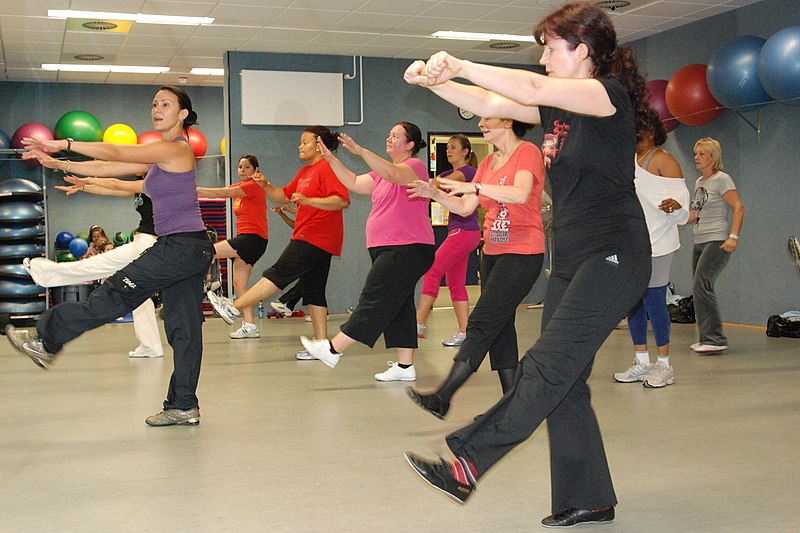
Boredom is another obstacle to exercising every day. The same routine day after day can become monotonous. If you are bored with your routine, it’s time to change it! Try something new. Try something that you’ve never done before. Join a sports team, take a line dance class, start yoga classes or learn to skate. Sometimes working out with a group of people can help relieve boredom and you might even make some new friends.  

Finding time to exercise doesn’t have to be a barrier to exercise. You can get the recommended 30 minutes of exercise every day by breaking it up into 10 minute sessions throughout the day. You can also wake early and exercise before your morning shower and breakfast. Walk or ride a bicycle to and from work. Walk during your lunch break. Invite the kids to go for a bicycle ride before dinner or play a game of basketball or softball with the kids after school.

Diet Destroying Summer Treats

Photo Credit: Joe Mabel CC-BY-SA-3.0-migrated

Summer – hot days, warm nights, delectable smells of outdoor grilling, ice cream and frosty sodas! It’s time for picnics in the park with potato salad, fried chicken, chips and dip. Summer food favorites are a delicious treat but can destroy your diet. You can enjoy a juicy steak from the grill or a hot dog and cold beer at the baseball game without completely undoing all your hard work to lose weight, but moderation is the key! Unless you pay attention to what you eat and drink you can consume hundreds of extra calories during a casual day at the beach. 
The backyard barbecue is one of the worst diet destroyers. Steaks and burgers are high in calories and fat. Pork ribs are loaded with fat and high in calories. Select lean means with the fat trimmed before cooking. Skinless chicken and fish is another good choice for the barbecue. Grilled vegetables and lean beef lightly grilled on a skewer is another great way to enjoy the barbecue without adding too many extra calories. 
Baseball is a summer tradition, and so is the hot dog and beer at the game. Hot dogs and sausages like bratwurst, are high not only in fat but also in sodium. Too much salt in your diet can cause you to retain fluid in your cells and may contribute to high blood pressure. A typical beer is high in calories too. Choose lite beer or reduced calorie beer if possible. One sausage or hot dog won’t completely undo your diet if you watch what you eat for the rest of the day and get some exercise afterward. Ice cream and milk shakes can have almost 800 calories per serving! Consider a frosty sherbet, fruit sorbet or frozen fruit juice bar to beat the summer heat instead. 
The local fair is a dangerous place for dieters.  Many food booths at fairs batter and fry everything. Fair goers can indulge in every imaginable fried food from fried cake, fried cheese and even fried butter. The treats are virtually endless too. You will find candy apples, cotton candy, grilled fatty meats, hot dogs, bratwurst loaded with cheese and sugary sodas. Many fair-goers will buy a fried food and eat it while they walk around the fair taking in all the exhibits. You can easily eat more than you think if you eat while being distracted by fair booths. If you are going to visit a fair this summer take a bag with some healthy snacks and plenty of water. Eat a light lunch with plenty of whole grains and healthy carbohydrates before you go to the fair so you will not be hungry and tempted to buy a cheese covered corn dog or a stick of fried butter. 

How to Get More Fruit In Your Diet

Photo Credit: Dr. Karl-Heinz Hochhaus CC-BY-3.0

Fruits and vegetables are an essential part of a healthy diet and may even reduce your risk of getting some types of cancer. Fruits are delicious and packed with nutrients. It’s easy to find ways to incorporate more fruits into your daily diet. Fruits are available fresh, frozen, dried and canned. You can use fruits in salads, sandwiches, drinks and desserts. They are great for snacks, too. When you buy fresh fruits, always wash them thoroughly under running water to remove dirt, bacteria and any trace of pesticides before eating or cooking. Keep your fresh fruits stored separately in the refrigerator away from meats and other foods. 
One of the easiest ways to eat more fruit is to keep a bowl of fresh, washed fruit on a table or on the kitchen counter. You and your children are more likely to reach for a fragrant orange or a tasty banana for a snack if they are readily available. Make a delicious fruit salad using fresh, cut up fruits. Add some orange juice and stir. Fresh fruit salad is delicious and does not need extra sugar for sweetening. Cut oranges, apples, grapes, pears, peaches, nectarines, tangerines, pineapple and melon into cubes and stir together with a cup of orange juice. Eat it right away or refrigerate. 
Bananas, prunes, peaches, apricots, melons and oranges are loaded with potassium, an essential nutrient. Try some sliced bananas or fresh peaches in your cold, whole grain breakfast cereal. The natural sweetness of the fruit reduces the need for additional sweeteners or sugar. Strawberries, blueberries, raspberries, bananas or raisins liven up a hot bowl of oatmeal, too. You can get more fruit into your diet at lunchtime by adding fruit to low-fat yogurt or eating a whole, fresh apple, orange or pear for dessert. Fruits are available packaged for individual servings that are great for a mid-morning or late afternoon snacks at work. Add apple chunks and grapes to chicken salad for a delicious, crunchy lunch sandwich. Keep a box of raisins or other dried fruit, such as apricots, in your desk at work for a quick, tasty snack. Fresh fruit smoothies are another way to get fresh fruit into your diet. Make your own by blending low-fat milk with fresh fruits and ice. 

Weight-Loss for Your Wedding Day

Photo Credit: Milaniko PD

June is wedding month! Many people plan to get married during the month of June because the weather is mostly mild and sunny. Every bride and groom wants to look their best on the big day. If you’ve put off trying to lose some weight until the last minute, there is still time to lose a few pounds before the final fitting of your dress or tuxedo. Avoid extreme diets and diet pills to lose a few pounds. Focus on exercise and a low-calorie, nutritious diet to get in shape for your wedding day. 
It’s easy to become distracted by all the last-minute wedding plans or to find time to exercise. If you haven’t been physically active or you have exercised only sporadically, try walking for about 30  minutes every day. Walk for 15 minutes in the morning before work or the start of your day. Walk for another 15 minutes in the evening after work or before dinner. Walk farther or faster every day until you can power walk for the full 15 minutes twice each day. Ride a stationary bicycle or use a treadmill if you can’t get outdoors to walk or when it is raining. Make a commitment to exercise for at least 30 minutes every day.
Tone and sculpt your arms and upper chest so that you look your best in your dress by lifting weights. Use a pair of dumbbells every other day for about 10 minutes to tighten up your arms and chest. Pulling on resistance bands also works well to strengthen, tone and sculpt your arms. Stand on a resistance band and pull it upward with your arm in the same manner, as if you are doing biceps curls with dumbbells. Use two bands to work both arms at the same time or alternate sides. 
Choose high-fiber, low-calorie foods like whole grains and vegetables, to help reduce your calorie intake while still getting the nutrition your body needs. Now is not the time to indulge your sweet tooth. Put those chocolates and cake aside. Choose naturally sweet foods like strawberries, blueberries, watermelon, raspberries, apples and grapes. Fruits contain antioxidants to help repair cell damage and are loaded with nutrients. The natural sugars in berries and fruits will also boost your energy. Reduce the amount of soda in your diet, too. Drink naturally flavored water instead of sugary soda to help reduce calories. Drinking more water will also help keep your body hydrated and improve your appearance. Drinking plenty of water will hydrate your skin. 

Health Benefits of Green Tea

Photo Credit: Wikimol  CC-BY-SA-2.5

Have you heard about the health benefits of drinking green tea? Green tea has been touted as beneficial to weight loss, cancer prevention and improved mood, but is it true? Green tea has been used for hundreds of years as a diuretic, to treat gas, regulate blood sugar and blood pressure and even to help stop bleeding. Other claimed health benefits include better digestion and a sharper mind. How does green tea help improve all these health issues? 
Green tea contains powerful antioxidants that help to prevent cell damage by free radicals. The most potent antioxidants in green tea are catechins. Free radicals attack and damage the DNA in cells. Damaged DNA can contribute to cancer and other serious illness. Studies have shown that green tea antioxidants inhibit the growth of cancer cells in a test tube, but human studies are inconclusive. The catechin epigallocatechin-3-gallate (EGCG) is especially high in green tea. EGCG and other tea catechins have helped to reduce cancer growth in laboratory animals. It’s not clear how catechins inhibit the growth of cancer cells, but the they do and it can’t hurt to add some green tea to your diet to help cleanse your body of free radicals. 
Drinking green tea as part of a weight loss diet can improve weight loss. Green tea helps to boost your metabolism, which results in burning more calories. Green tea also helps weight loss by lowering LDL cholesterol, or the bad cholesterol. High LDL cholesterol can lead to other health problems including heart disease, plaque buildup in arteries and high blood pressure. Drinking green tea also helps to regulate blood sugar levels and blood pressure
Green tea’s health benefits are numerous. If you don’t like tea or have never tried it, try replacing one cup of coffee with a cup of green tea every day. Soon you will be enjoying not only the health benefits, but also the flavor of this ancient health-boosting drink.

For more information about the health benefits and cancer-fighting properties of green tea see: